


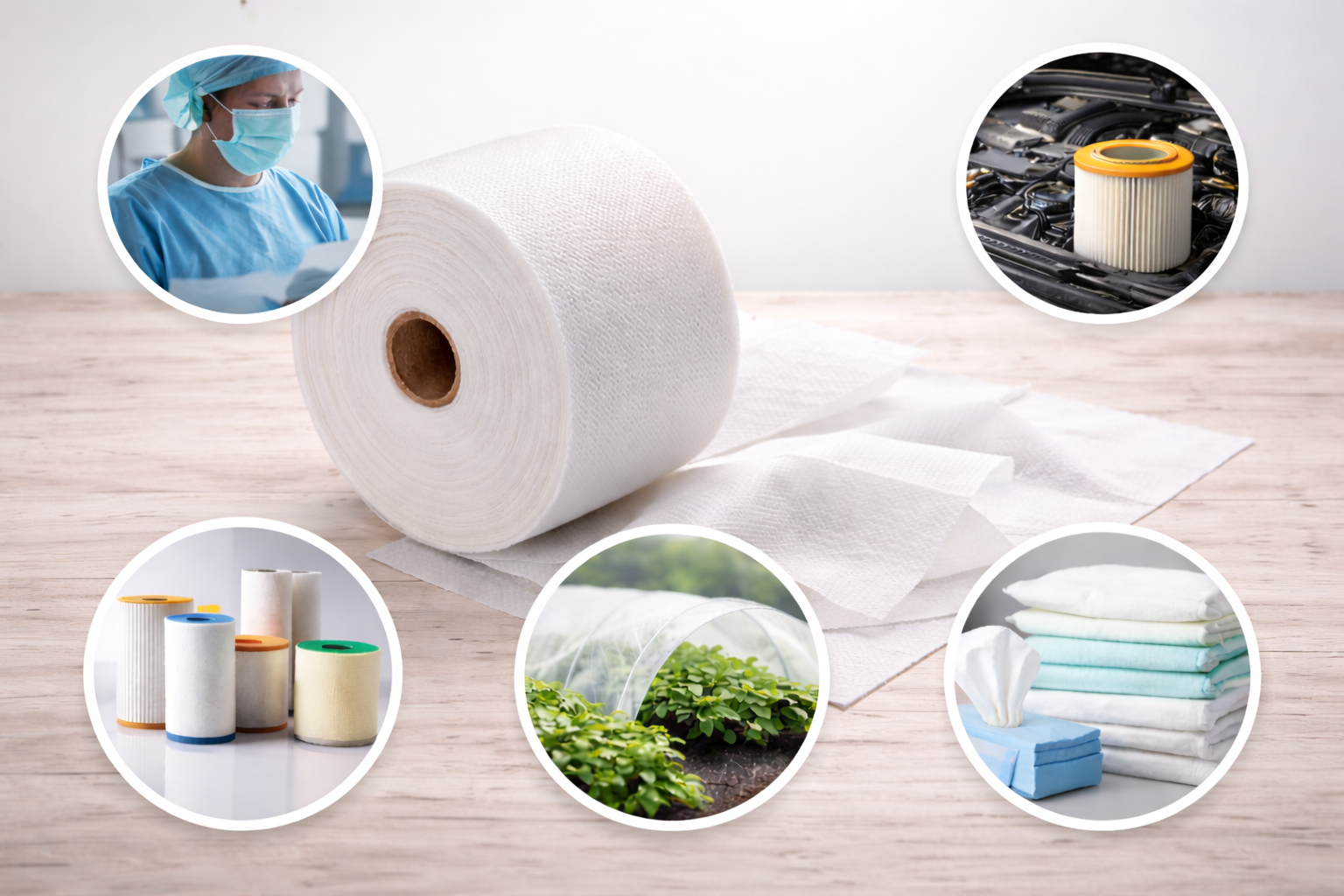
What Are the Uses of Nonwoven Fabric? Practical Applications and Industry Examples
Nonwoven fabrics are versatile materials used across healthcare, hygiene, filtration, automotive, agriculture, and construction industries. Their strength, breathability, and cost efficiency make them ideal for disposable and high-performance applications.
-
Recent Post
-
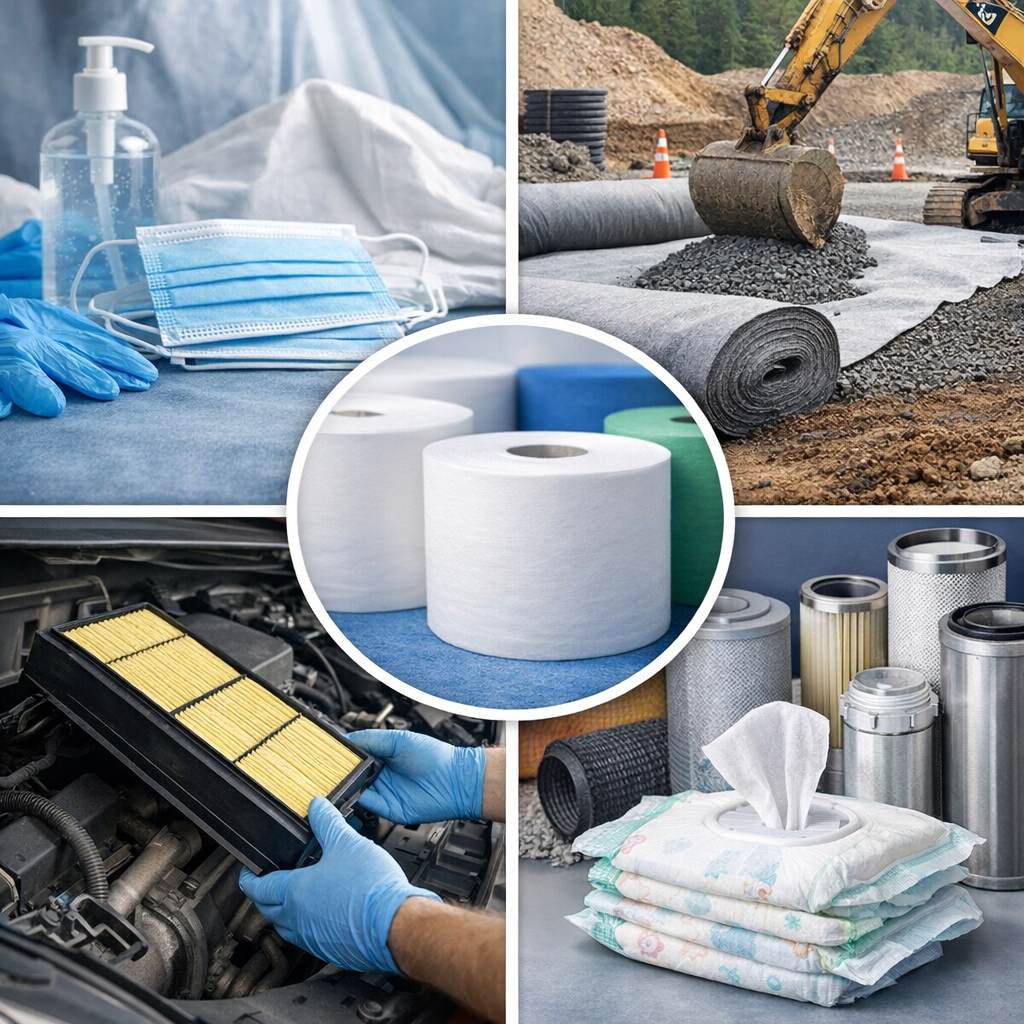
Non Woven Fabric Textile Applications Across Industries: Comprehensive Use Cases
Nonwoven fabrics are widely used across industries for their versatility, cost-effectiveness, and ta
20.06.2026
Read Article -
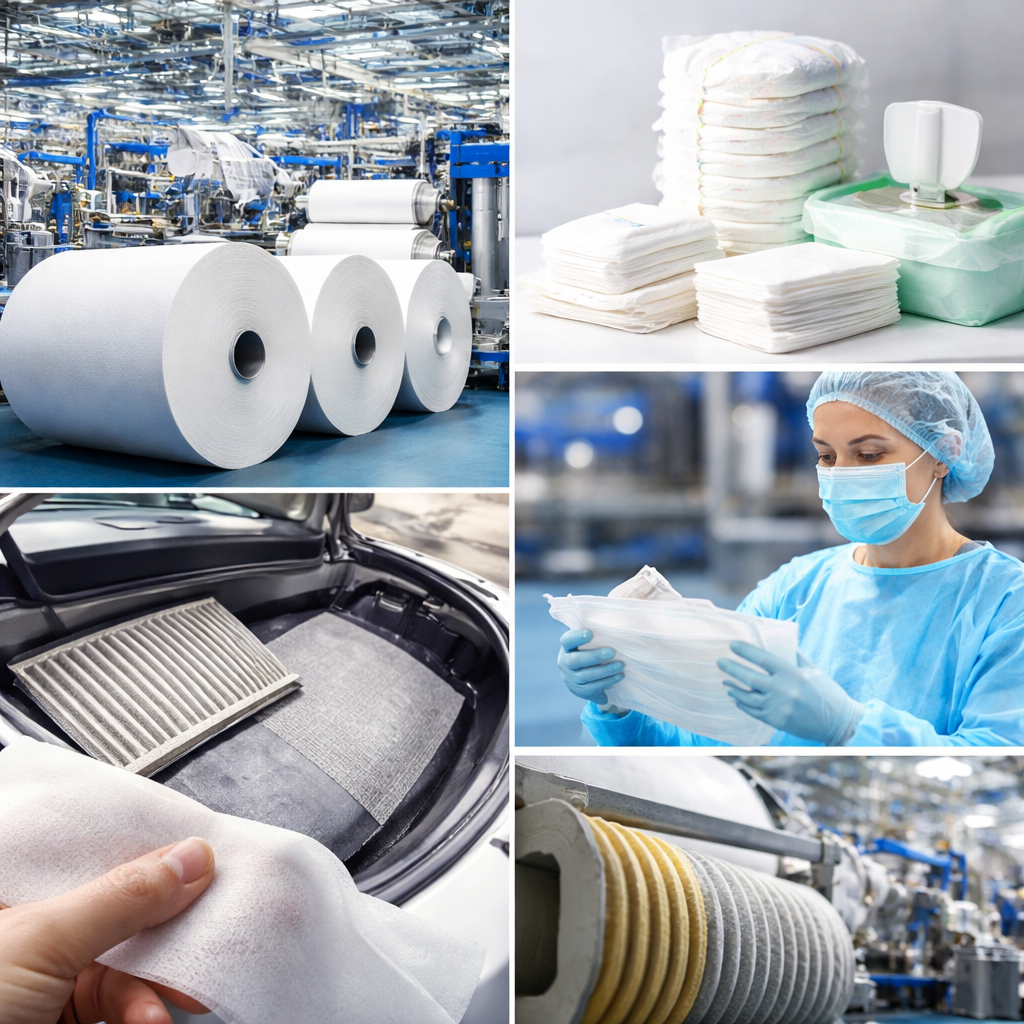
Global Nonwoven Market Trends and Growth Opportunities: 2026 Outlook
The global nonwoven market is expanding rapidly due to strong demand from hygiene, medical, filtrati
20.06.2026
Read Article -
Difference Between Woven and Non-Woven Fabrics: Key Structural, Performance, and Application Differences
Woven and non-woven fabrics differ in how they are made, how they perform, and where they are used.
05.03.2026
Read Article -
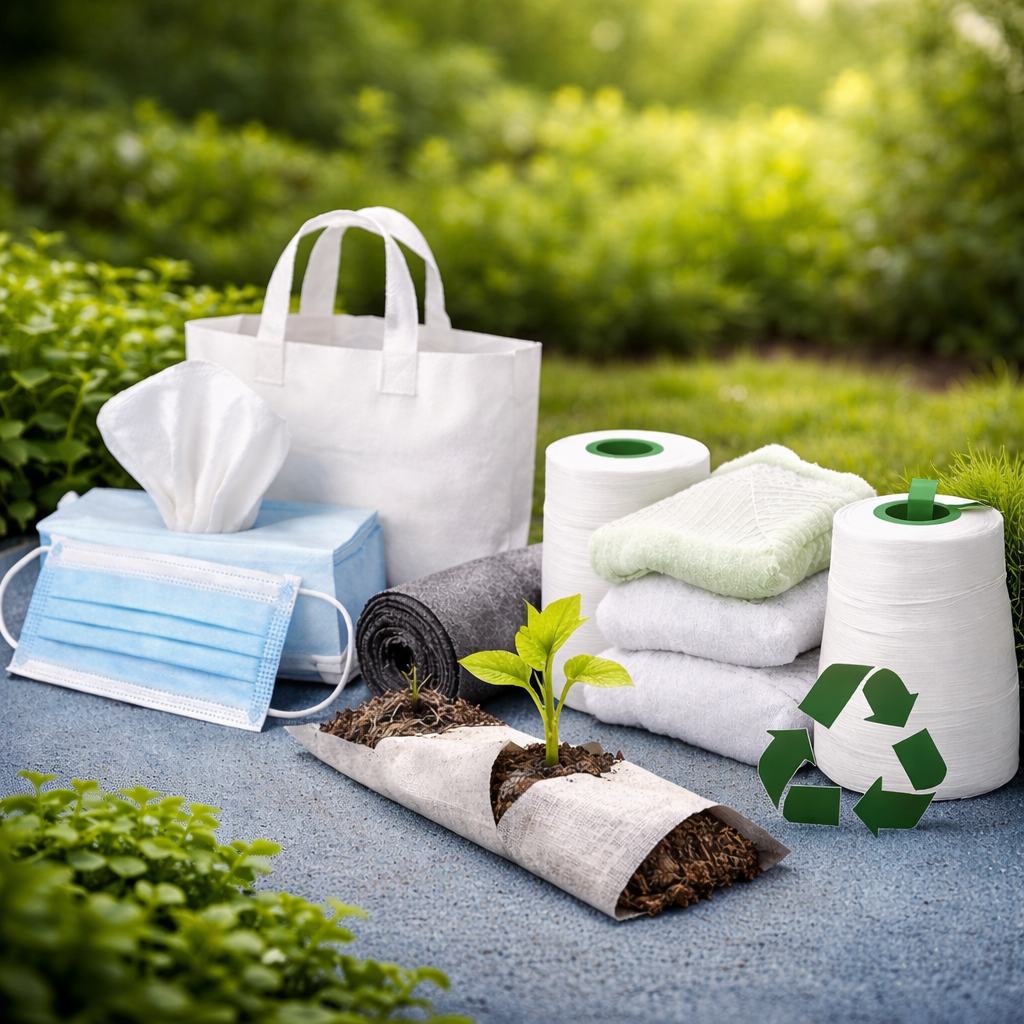
Types of Non-Woven and Their Uses: Applications, Manufacturing Methods, and Industry Examples
Nonwoven fabrics are engineered materials made by bonding fibres rather than weaving them together.
06.02.2026
Read Article -
What Are Biodegradable Materials and Why Do They Matter?
What biodegradable materials are, how they work, real-world examples, and why they are becoming non-
09.01.2026
Read Article -
What is Recyclable Nonwoven Fabric and Why is it Important?
That’s where recyclable nonwoven fabric comes in. It addresses a real problem. High-volume disposa
14.01.2026
Read Article -
Uses of Non Woven Fabric: 15 Practical Applications
Explore the top uses of non woven fabric across medical, hygiene, filtration, automotive, agricultur
11.12.2025
Read Article -
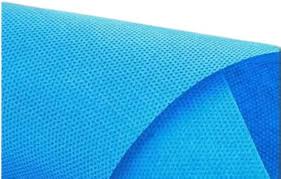
Why Use Nonwovens in Medical and Healthcare?
Nonwovens are used in medical and healthcare because they solve the real constraints of modern care:
15.12.2025
Read Article -
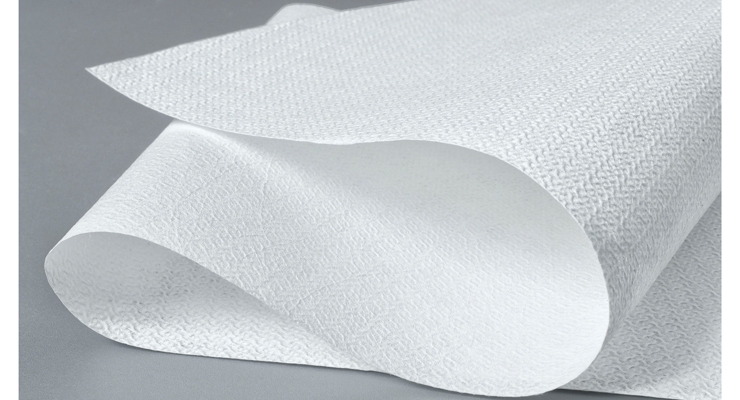
Dry Wipes Non Woven Fabric. Uses, Types and Benefits
Learn what dry wipes non woven fabric is, its types, materials, manufacturing process, applications,
25.12.2025
Read Article -
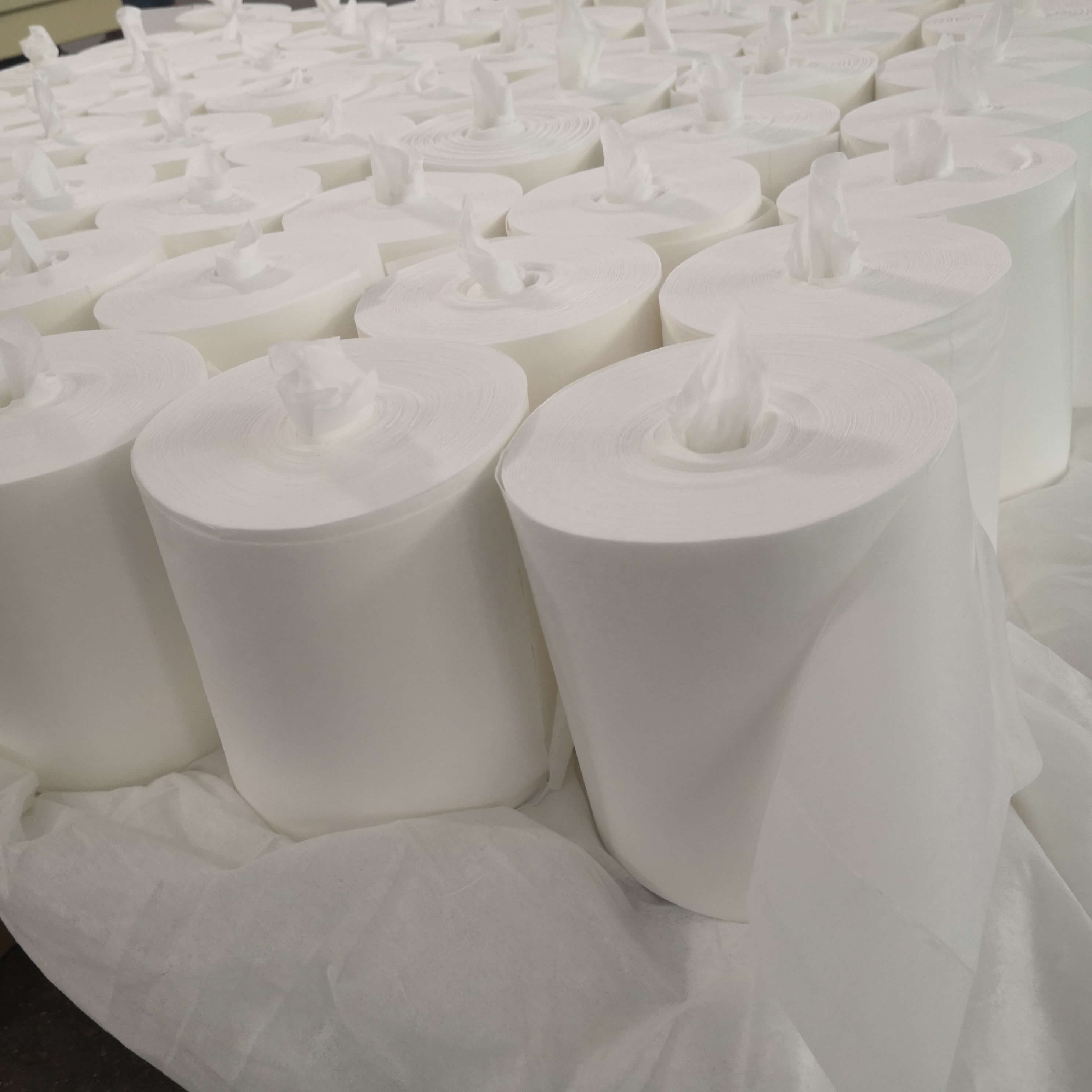
Non Woven Fabric Manufacturer | Top Suppliers & Uses Guide
Looking for a trusted non woven fabric manufacturer? Explore leading global suppliers, including Eli
24.12.2025
Read Article -
Top 10 Medical Nonwoven Fabric Exporters Trusted by Global Healthcare Brands
Discover the top medical nonwoven fabric exporters trusted worldwide. Explore quality, applications
16.12.2025
Read Article -
Cellulose Based Nonwoven Fabric | Eco Friendly Innovation
Explore the benefits of cellulose-based nonwoven fabric—biodegradable, soft, and sustainable. Idea
19.11.2025
Read Article -
Beautyworld Dubai: Discovering New Opportunities for Elixrr
Exploring innovative trends and partnerships at Beautyworld Dubai, uncovering exciting growth opport
07.11.2025
Read Article -
Green Nonwoven Technology: Sustainable Innovation in Nonwoven Fabrics
Learn how green nonwoven technology uses eco-friendly materials and energy-efficient manufacturing t
30.10.2025
Read Article -
Types of Nonwoven Fabric and Their Uses in 2025
Explore the 7 main types of nonwoven fabric—spunbond, meltblown, spunlace, and more. Learn how eac
28.10.2025
Read Article -
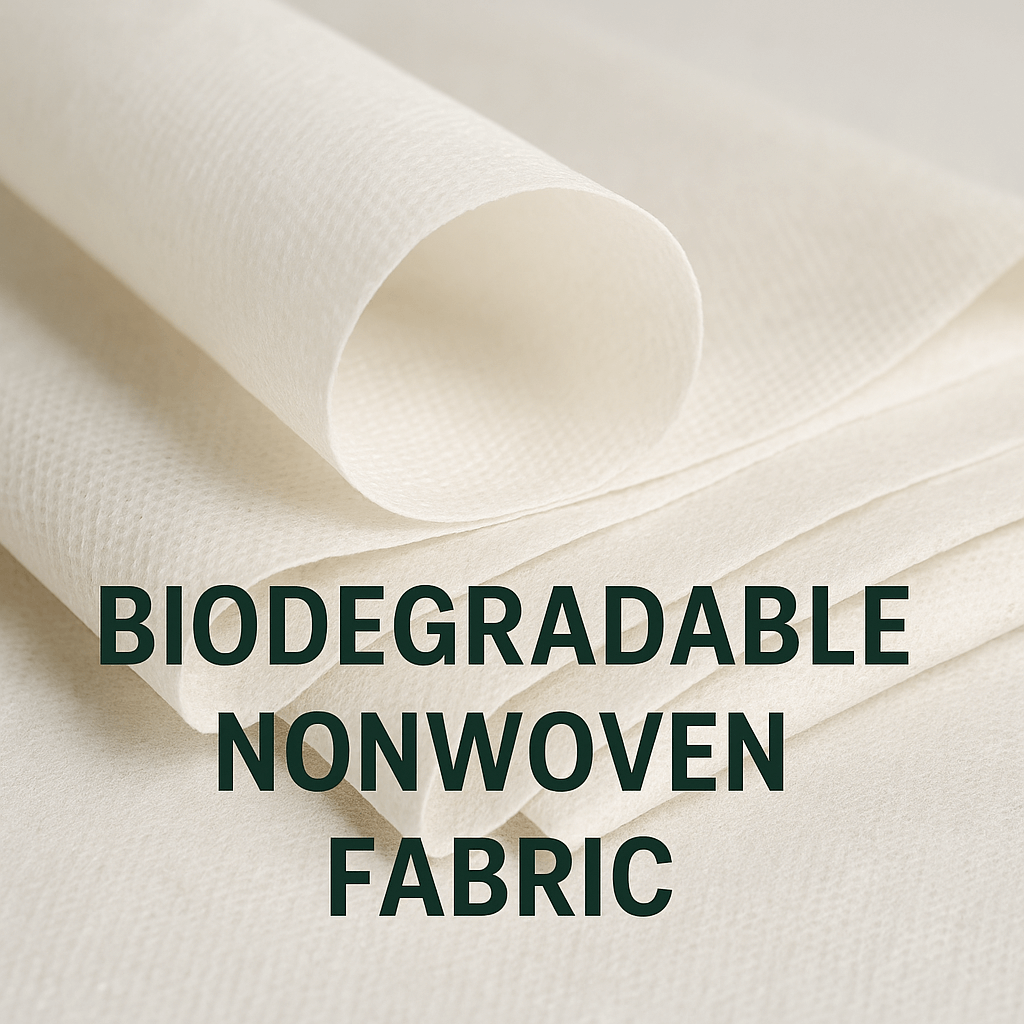
Biodegradable Nonwoven Fabric: The Future of Sustainable Textiles
Biodegradable nonwoven fabrics are reshaping industries with eco-friendly performance and natural de
28.10.2025
Read Article -
Best Non Woven Fabric Manufacturers in India (2025 Edition)
Discover the top 10 non woven fabric manufacturers in India. Explore eco-friendly, high-quality opti
28.10.2025
Read Article -
Top 10 Applications of Non-Woven Fabrics in 2025 — And Why the Market Is Booming
Top 10 Applications of Non-Woven Fabrics in 2025 — And Why the Market Is Booming
20.05.2025
Read Article -
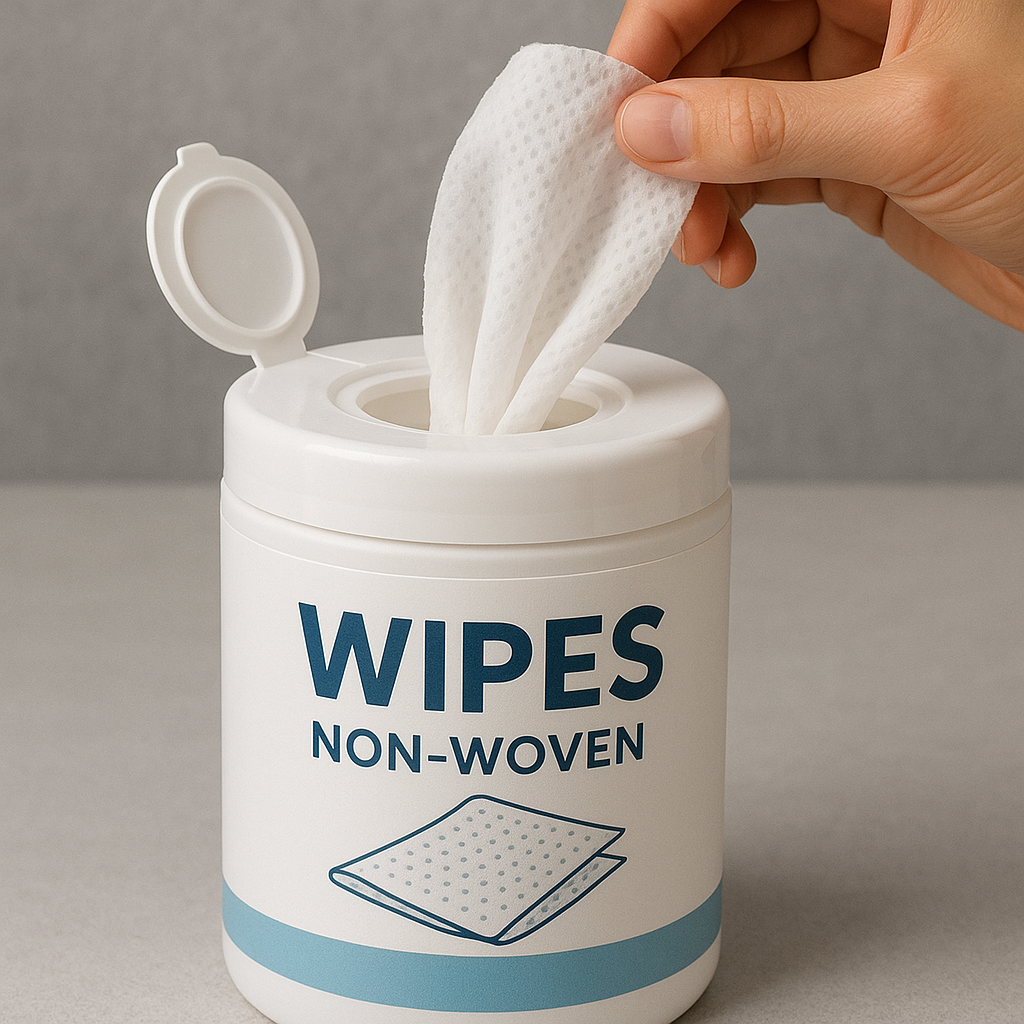
Reinventing Wipes: How Sustainable Nonwovens Are Reshaping the Industry
Elixrr explores how next-generation sustainable nonwovens, from wet-laid spunlace to carded-pulp tec
21.10.2025
Read Article -
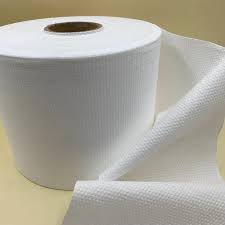
Woven Fabric Material Guide: Composition, Types & Common Applications
Explore woven fabric materials—learn their composition, major types, and everyday applications in
09.10.2025
Read Article -
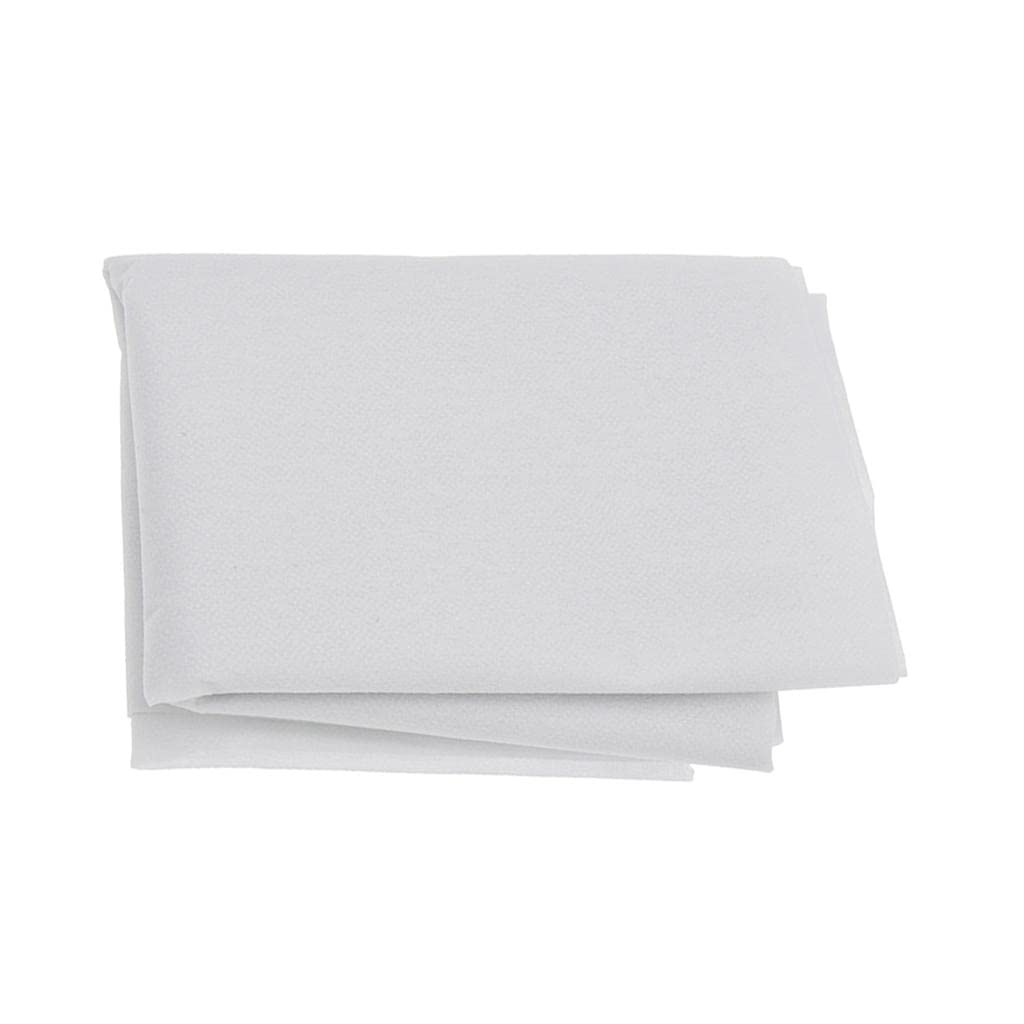
Non Woven Polypropylene Fabric: Uses, Strengths & Comparison with Woven Fabric
Non woven polypropylene (PP) fabric has become one of the most widely used materials across industri
09.10.2025
Read Article -
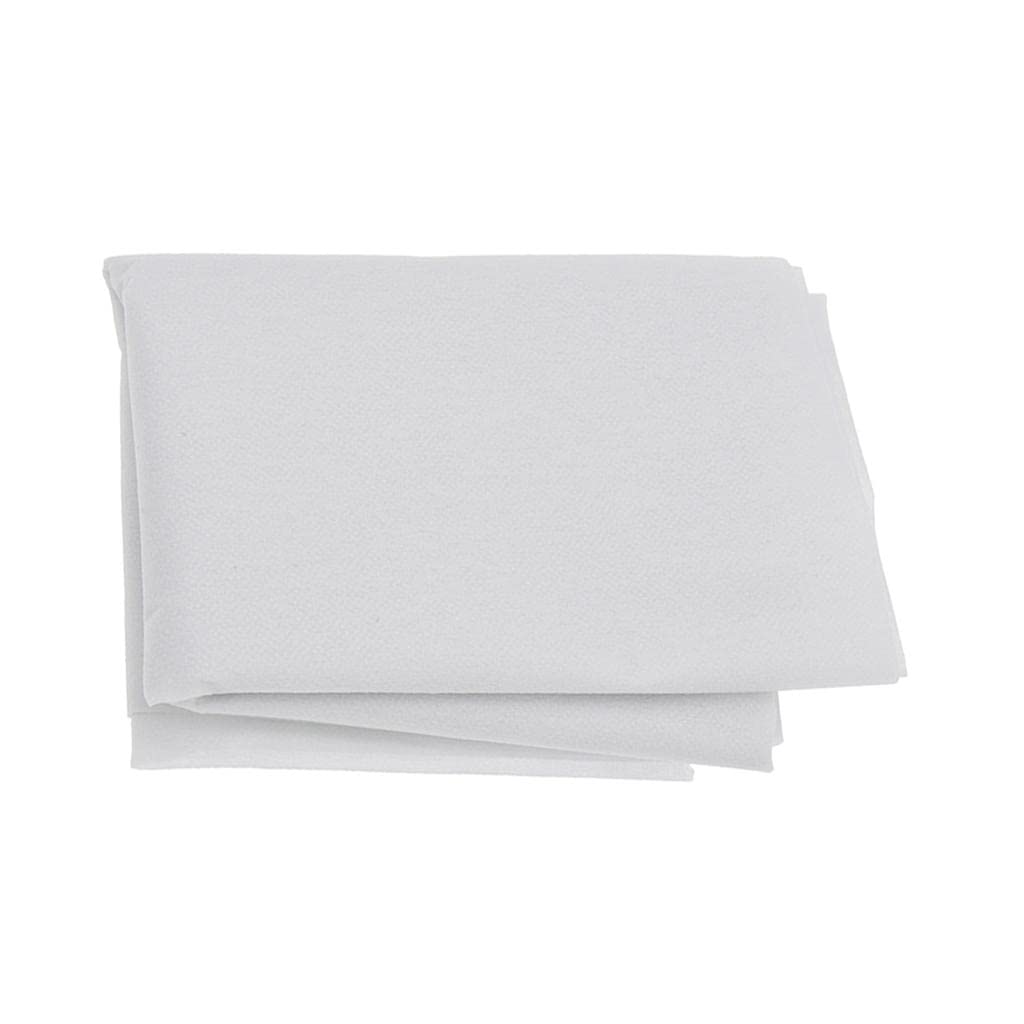
What Is Knitted Woven Fabric? Types, Techniques & Benefits
Knitted woven fabric is a hybrid textile that blends the structural strength of woven fabrics with t
16.10.2025
Read Article -
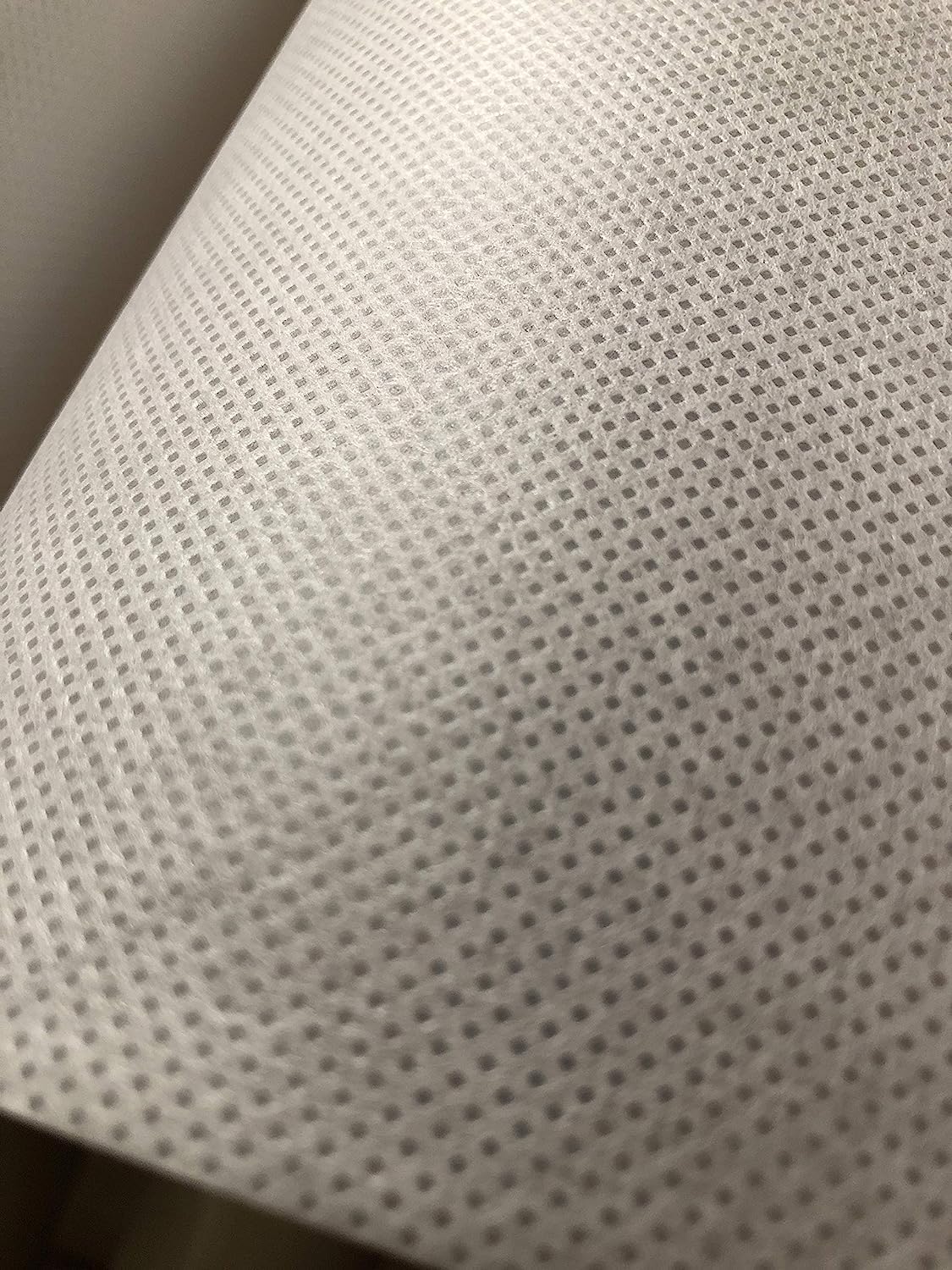
Non Woven vs Woven Fabrics: Key Differences & When to Use Each
Non Woven vs Woven Fabrics: Key Differences & When to Use Each
18.09.2025
Read Article -
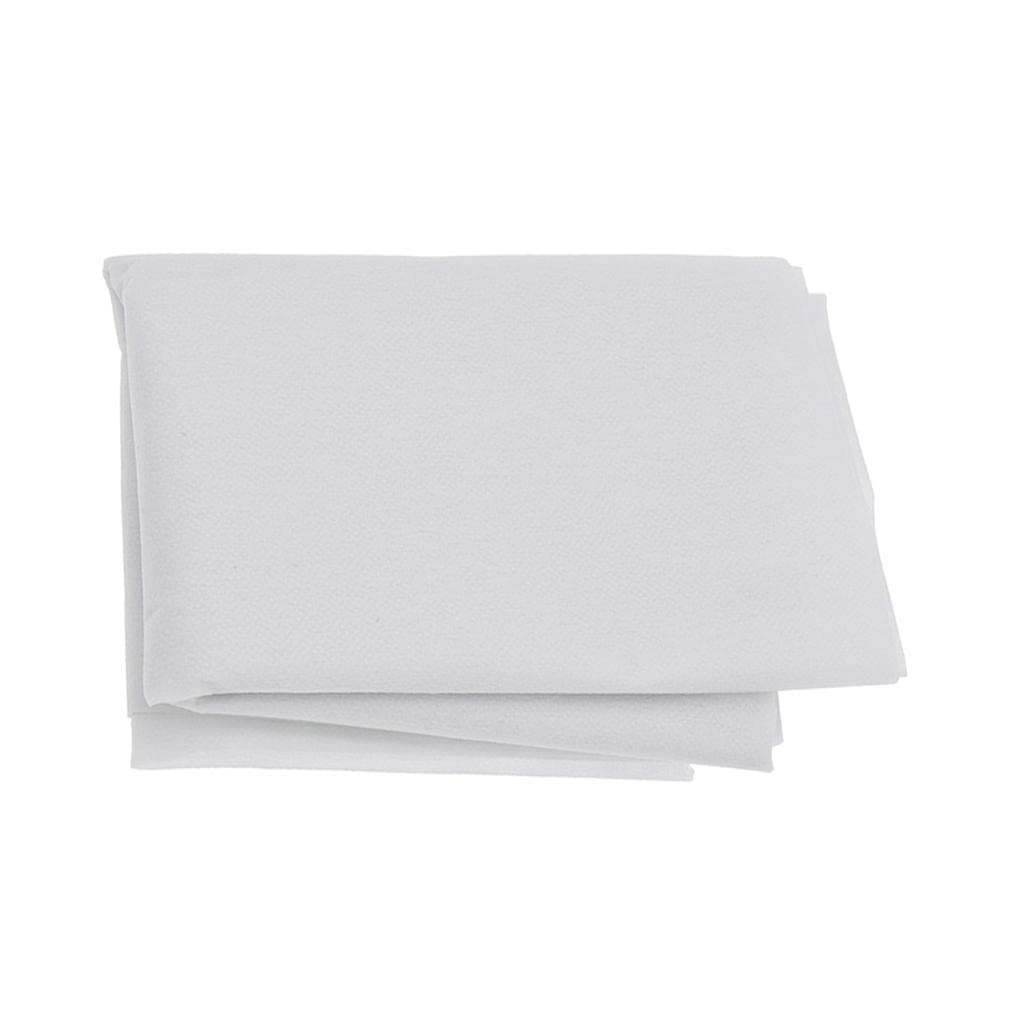
Non Woven Polypropylene Fabric: Uses, Strengths & Comparison with Woven Fabric
Non Woven Polypropylene Fabric: Uses, Strengths & Comparison with Woven Fabric
19.09.2025
Read Article -
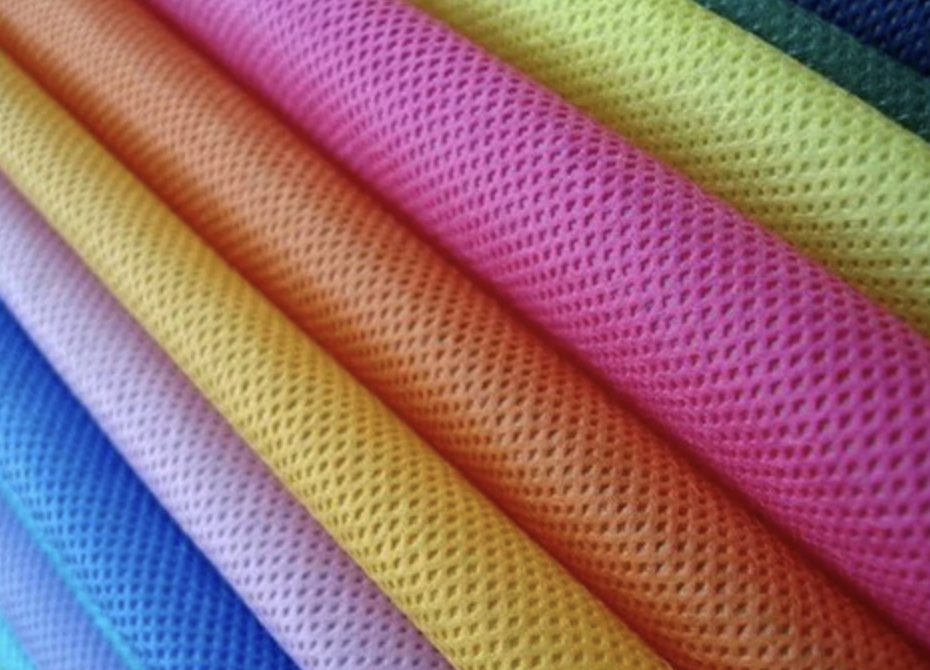
Spunbond Non Woven Fabric: How It’s Made and Where It’s Used
Explore the manufacturing process and applications of spunbond non woven fabric. Learn why it’s wi
11.09.2025
Read Article -
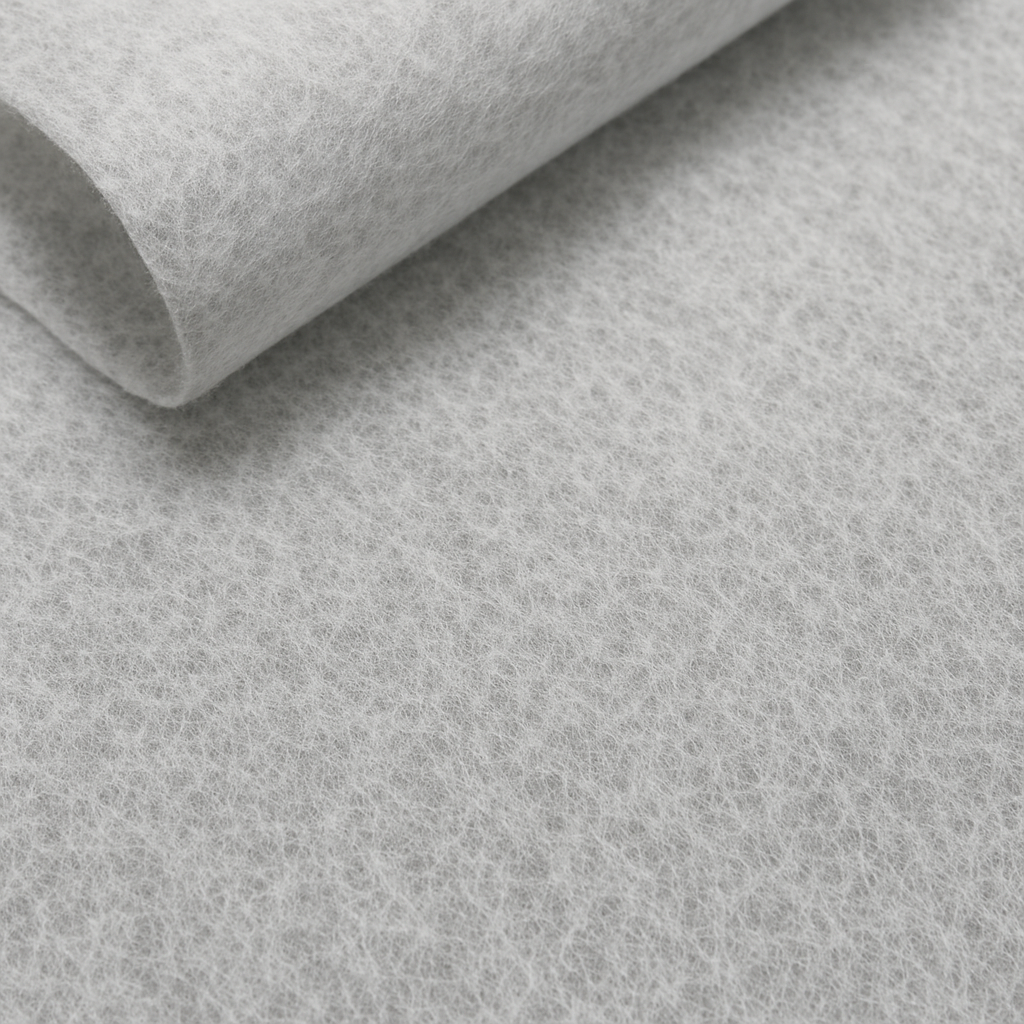
Polyester Non Woven Fabric: Benefits, Properties & Industrial Uses
Discover the benefits and industrial uses of polyester non woven fabric. Learn about its properties,
03.09.2025
Read Article -
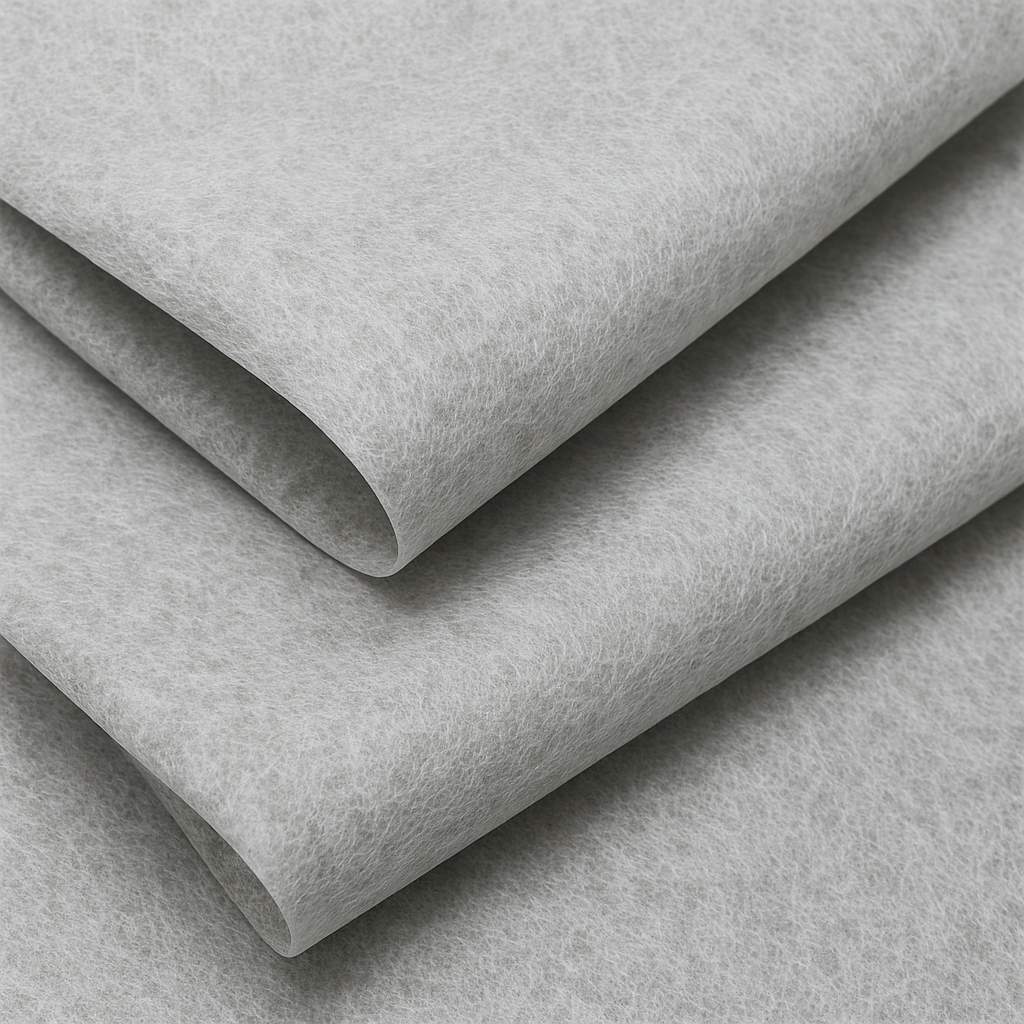
What Is Non Woven Fabric? Definition, Manufacturing & Applications
Explore what non woven fabric is, how it’s made, and where it’s used. Learn about its unique pro
04.09.2025
Read Article -
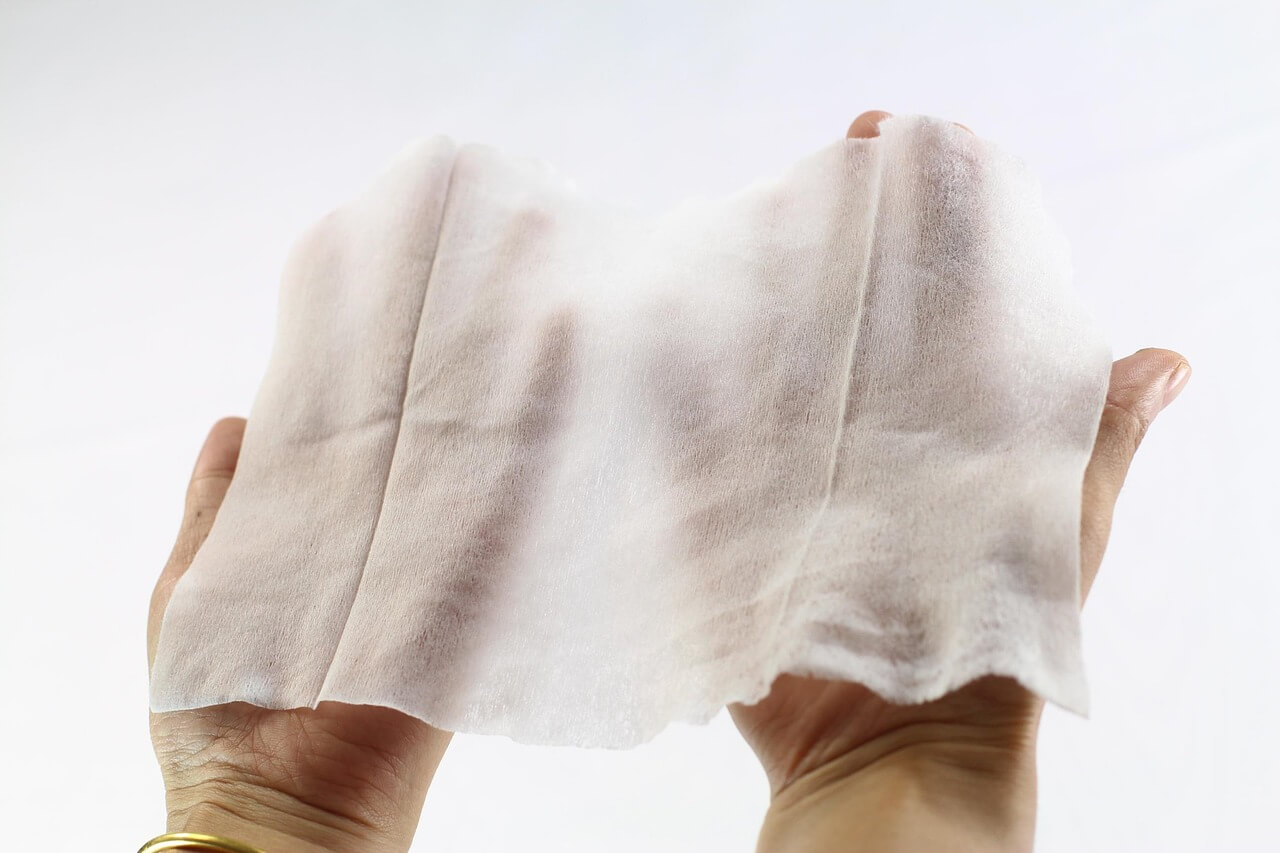
Types of Nonwoven Fabric – A Complete Guide to Nonwoven Fabric
Learn about different types of nonwoven fabrics, their properties, manufacturing methods, and indust
20.05.2025
Read Article -
Redefining the Future of Wipes: Insights from WOW 2025
Elixrr Nonwovens shares key takeaways from WOW 2025, highlighting sustainable innovations, energy-ef
29.07.2025
Read Article -
Sustainability is Elixrr’s Focus at Global Wipes Markets at Wow 2025
Visit the WOW conference and see our proprietary nonwoven wipes fabrics Enduraspun, Ecopun and Softs
03.07.2025
Read Article -
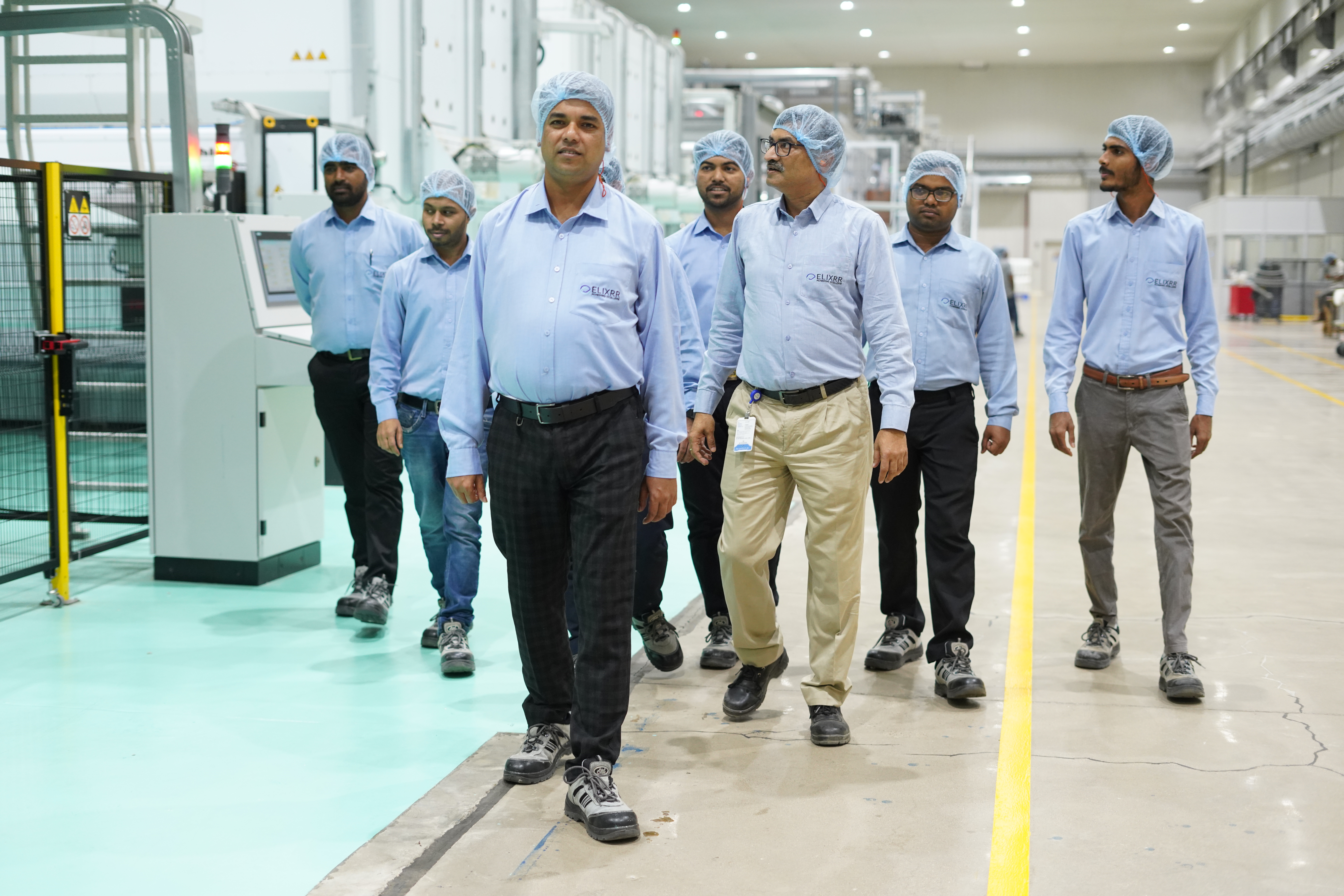
Inside Elixrr: A Conversation with Subir Barman on the Future of Nonwovens and Next-Gen Manufacturing
As the global demand for sustainable, high-performance materials accelerates, Elixrr Nonwovens conti
20.05.2025
Read Article -
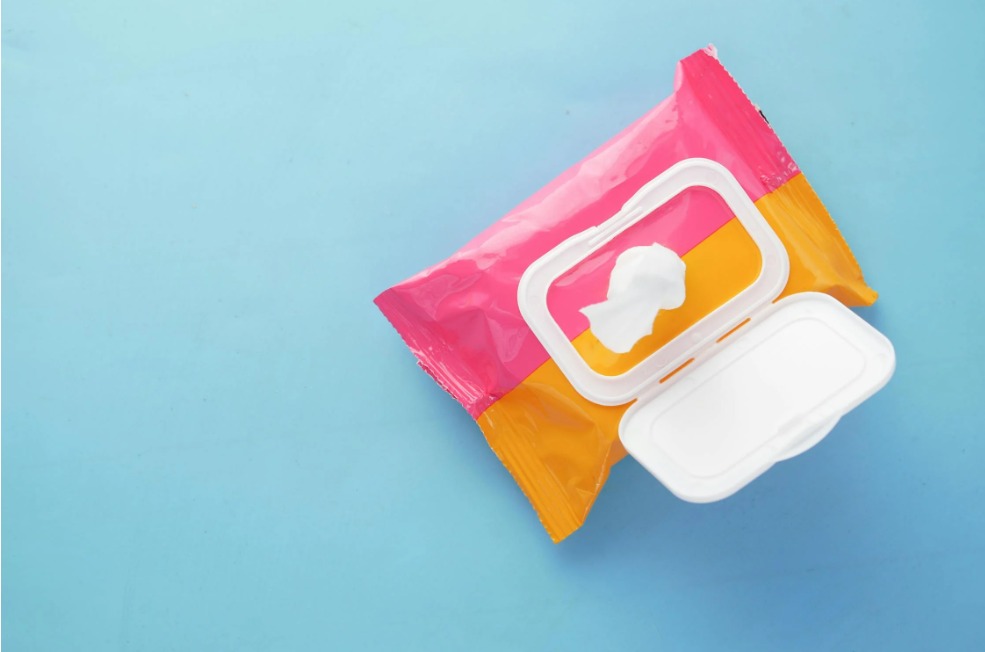
Spunlace Nonwoven Fabrics: Explore Characteristics and Benefits
In a world where hygiene, safety, and softness intersect, material science has a quiet hero, spunlac
20.05.2025
Read Article -
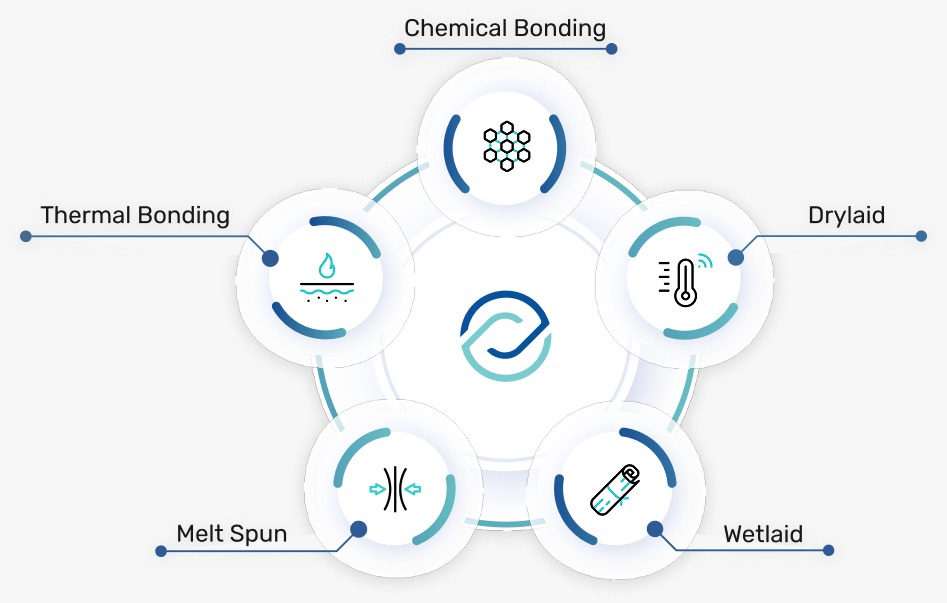
PentaTech™ by Elixrr Nonwovens: Pioneering the Future of High-Performance and Sustainable Nonwovens
Innovation in nonwoven materials isn’t optional anymore. It’s what drives progress. As industrie
07.05.2025
Read Article -
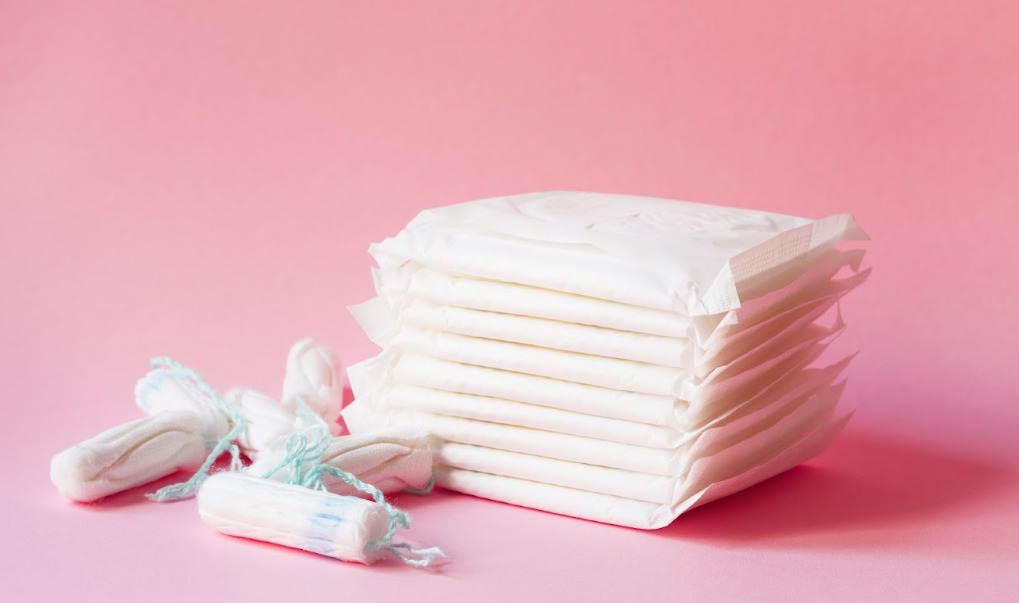
Is Non-Woven Fabric Biodegradable? Exploring the Eco-Friendliness of Non-Wovens
Every business is searching for environmentally appropriate substitutes as the globe moves towards s
02.05.2025
Read Article -
What Are Non Woven Fabrics Used For? Key Examples & Features
In an era defined by performance, precision, and sustainability, materials are no longer just passiv
28.04.2025
Read Article -
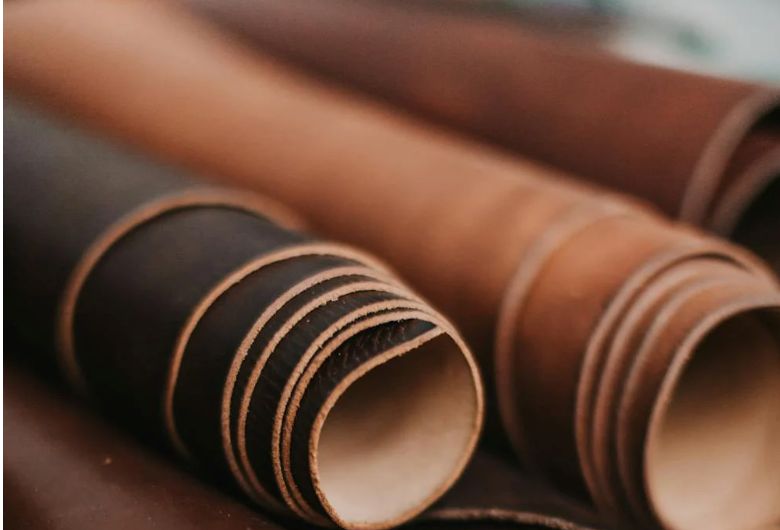
Is Leather a Non-Woven Fabric? Let’s Unravel the Truth!
Leather embodies luxury, durability, and style. However, in a society increasingly focused on novel
21.04.2025
Read Article -
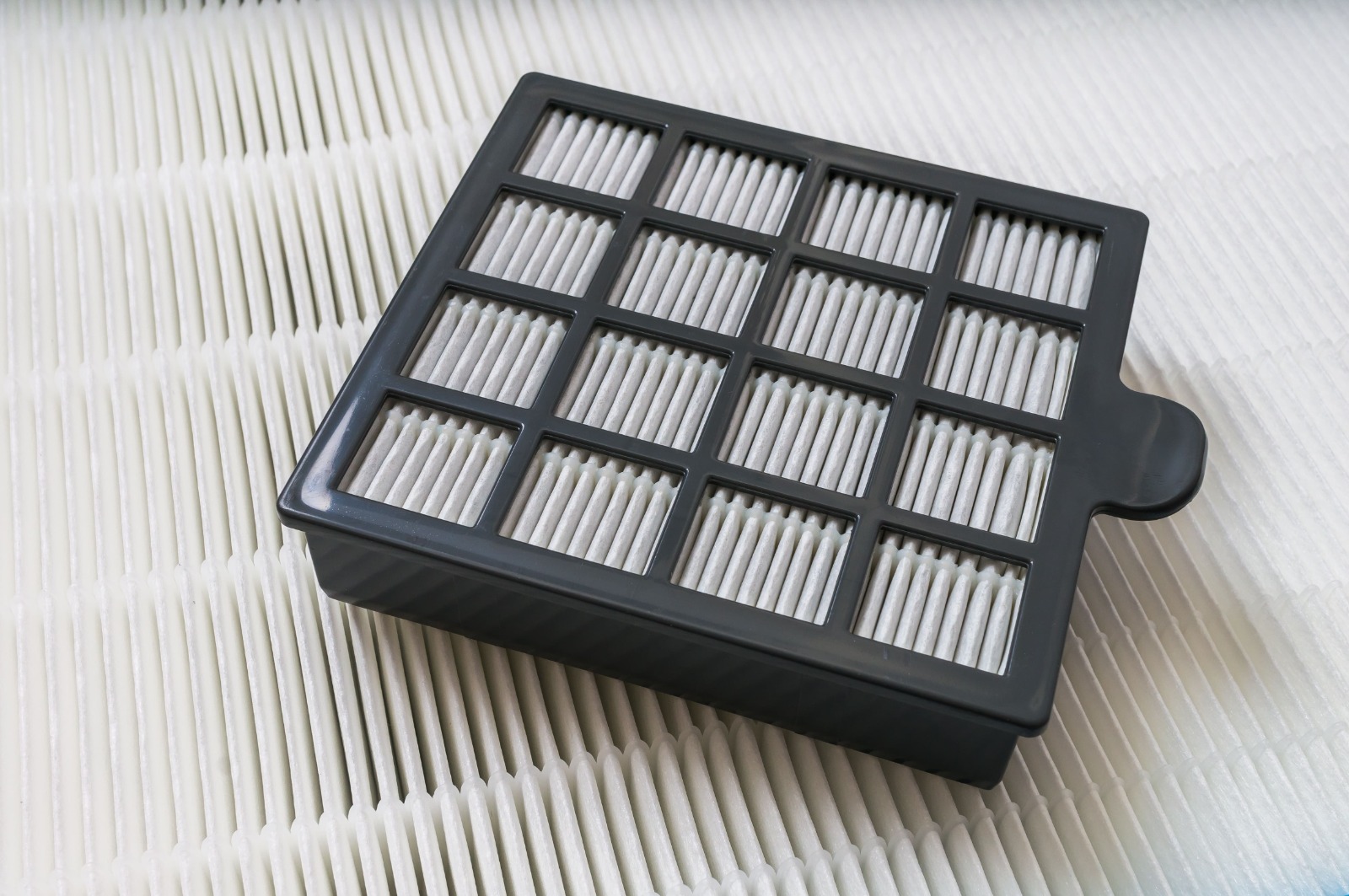
Can You Heat Press Non-Woven Fabric? A Complete Guide
The textile industry has embraced heat pressing. Adding colourful graphics to cloth banners or perso
18.04.2025
Read Article -
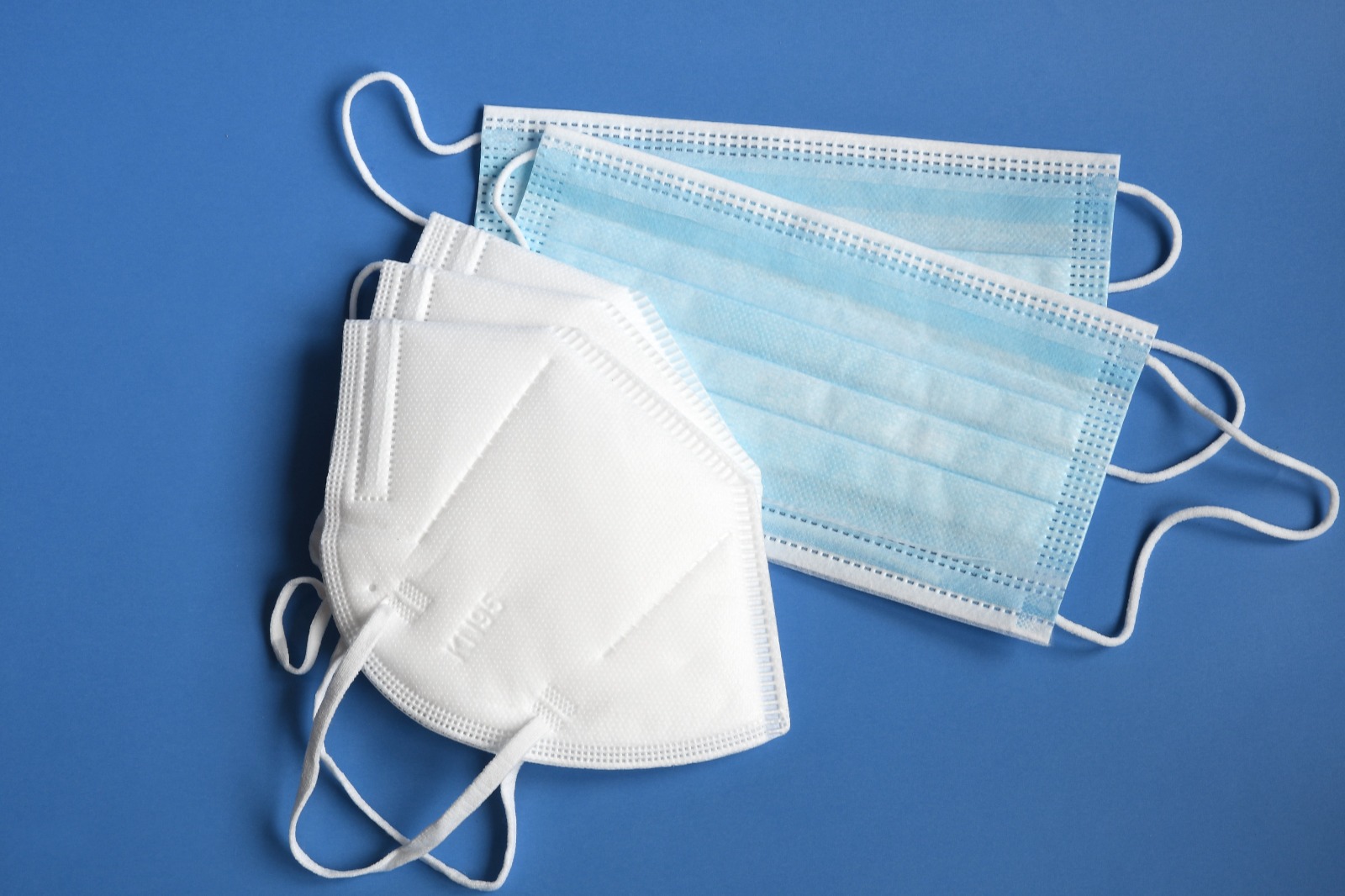
Can Non-Woven Fabric Be Washed? Let’s Unravel the Truth
Non-woven fabrics are used in a variety of applications, including medical masks, reusable shopping
14.04.2025
Read Article -
Non Woven Fabrics Vs Woven Fabrics: Choose the Right Fabric
If you have ever asked yourself why some materials are all about robustness while others are cutting
11.04.2025
Read Article -

Top 10 Non-Woven Fabric Manufacturers in Europe
The non-woven fabric industry has grown significantly in Europe, driven by the demand for high-quali
27.06.2025
Read Article -
Non-Woven Fabric: Moisture Absorption, Properties & Uses
When it comes to fabric selection, understanding the properties of different materials is essential,
04.04.2025
Read Article -
Types of Fabric: A Beginner Comprehensive Fabric Guide | 2025
Fabrics are the foundation of countless industries and everyday life, influencing everything from th
31.03.2025
Read Article -
What are Non-Woven fabrics?
India has always had a rich relationship with textiles. From the fine muslin that adorned royalty to
28.03.2025
Read Article
-
Need nonwoven solutions for your application?
Talk to our team about custom fabrics, sustainability, and product development tailored to your industry.
Frequently Asked Questions
Know everything — be it our products, our process, or why nonwovens are so cool.
What are the distinctive characteristics of woven fabrics compared to non-woven materials?
Woven fabrics form by interlacing yarns at right angles.
That gives them strength, stable shape, and a defined weave pattern.
Non-woven materials bond loose fibers together by heat, chemicals, or mechanical action.
They feel softer and can be more porous, but they lack the same tensile strength and long-term shape retention as woven fabrics.
How do the manufacturing processes for woven and non-woven fabrics differ?
Woven fabric production starts with yarn spinning, then warping and weaving on looms.
The process is slower and more labor- and equipment-intensive.
Non-woven production spreads fibers into a web, then bonds them using methods like spunbonding, needlepunching, or chemical bonding.
This process runs faster and uses less energy per unit in many modern lines.
Can you compare the durability and lifespan of woven versus non-woven fabrics?
Woven fabrics usually last longer under repeated use and washing.
Their interlaced yarn structure resists tearing and holds shape over time.
Non-woven fabrics wear out faster, especially under mechanical stress or repeated laundering.
Many non-wovens are designed for single-use or limited-life applications like medical masks and wipes.
Are there specific applications where woven fabrics are preferred over non-woven, or vice versa?
You should choose woven fabrics for clothing, upholstery, and products that need long-term strength and appearance.
Wovens suit garments, furniture covers, and heavy-duty textiles.
Use non-woven fabrics for disposables, filtration, insulation, and some geotextiles.
Non-wovens work well for medical supplies, wipes, filters, and low-cost barrier layers.
What are the environmental impacts of the production and disposal of woven and non-woven fabrics?
Woven fabric production can consume more water and energy if it uses dyeing and finishing; it often uses fibers that support reuse and repair.
Durable woven goods can reduce waste by lasting longer.
Non-woven production can be more energy-efficient per unit and cut material waste, but many non-wovens are single-use and end up in landfills.
Some non-wovens are recyclable or made from recycled content, but recycling streams are limited.
How do the maintenance and care requirements vary between woven and non-woven textiles?
You can generally wash and repair woven fabrics, following standard care labels for temperature and drying.
Non-woven textiles often cannot withstand machine washing or repairs.
Many require disposal after use or gentle spot cleaning only.
Explore Recent Blogs
Non Woven Fabric Textile Applications Across Industries: Comprehensive Use Cases
Nonwoven fabrics are widely used across industries for their versatility, cost-effectiveness, and ta
Read More
Global Nonwoven Market Trends and Growth Opportunities: 2026 Outlook
The global nonwoven market is expanding rapidly due to strong demand from hygiene, medical, filtrati
Read More
Difference Between Woven and Non-Woven Fabrics: Key Structural, Performance, and Application Differences
Woven and non-woven fabrics differ in how they are made, how they perform, and where they are used.
Read More
What Are the Uses of Nonwoven Fabric? Practical Applications and Industry Examples
Nonwoven fabrics are versatile materials used across healthcare, hygiene, filtration, automotive, ag
Read More

Weave Your Success with Our Revolutionary Fabrics
Power your business with Elixrr's cutting-edge nonwoven fabric solutions. Eco-friendly, customizable, and engineered for excellence—because innovation starts with the right foundation.

You often choose fabric without knowing how it was made, but that choice shapes cost, strength, feel, and how you can use it.
Woven fabrics form when yarns cross at right angles, giving you strength and a stable surface, while non-woven fabrics bond fibers together, making them lighter, cheaper, and good for disposables and filters.
Knowing these basics helps you pick the right material for clothing, home goods, industrial uses, or single-use items so you don’t overpay or pick the wrong type for the job.
Key Takeaways
Key Differences Between Woven and Non Woven Fabrics
You will learn how each fabric is made, how fibers are arranged, how long they last under use, and how cost varies for production and end use.
These factors shape what you should pick for clothing, filters, medical use, or packaging.
Manufacturing Processes
Woven fabrics form when two sets of yarn, warp and weft cross at right angles on a loom.
You control tightness, pattern, and strength by changing yarn type, weave (plain, twill, satin), and tension.
Weaving needs skilled setup and slower production but gives repeatable, high-quality results.
Nonwoven fabrics start with loose fibers that bind by heat, chemical adhesives, or mechanical entanglement (needle-punching or hydroentangling).
You can make them quickly on continuous lines without spinning yarn.
That speed and simpler equipment suit disposable items, geotextiles, and filtration media.
Fiber Structure Comparison
In woven fabric, fibers form continuous yarns that run lengthwise and crosswise.
This structure gives predictable stretch, clear grain, and defined edges.
You can choose natural fibers like cotton or synthetics like polyester and mix them for specific hand feel or performance.
Nonwoven fabric holds short fibers or filament webs together without forming yarns.
Bonds occur across many tiny contact points rather than along continuous threads.
This creates isotropic or engineered directional properties depending on bonding method and fiber orientation.
Fabric Durability
Woven fabrics resist abrasion and seam stress because load transfers along long yarns.
You will see better tear strength along the warp and weft and improved longevity in garments and upholstery.
Repairs are possible by reweaving or patching because the structure supports stitches.
Nonwovens vary widely: some mechanically bonded nonwovens are strong, while thermally or chemically bonded ones can lose strength under heat or solvent exposure.
Many nonwovens perform well for single-use or limited-life applications like surgical gowns, filters, and insulation.
They can delaminate or shed fibers if overloaded.
Cost Differences
Woven fabric costs rise with yarn quality, loom speed, and finishing steps like dyeing or printing.
You will pay more for fine counts, complex weaves, or durable finishes.
Per-unit cost drops with high-volume runs, but startup and tooling remain significant.
Nonwovens usually cost less to make per square meter because they skip yarn production and use faster continuous processes.
Material choices, bonding method, and additives (e.g., antimicrobials, coatings) change price.
For disposable or large-area uses, nonwovens often offer the lowest cost option.
Physical and Functional Properties
You’ll learn how air and water move through each fabric, how much weight and bending they handle, and how they look and feel.
These details help you pick the right fabric for clothing, filters, medical supplies, or upholstery.
Breathability and Moisture Resistance
Woven fabrics let air and moisture pass through because fibers form regular gaps between yarns.
This makes cotton or linen good for shirts and bedding where you need cooling and sweat evaporation.
You can increase breathability further by changing weave tightness or yarn diameter.
Nonwoven fabrics can be engineered for low or high breathability.
Meltblown and spunbond methods produce layers with small, random pores.
That gives you better liquid barrier properties for masks and medical gowns while still allowing some airflow if needed.
You can add coatings or laminates to either fabric to change moisture resistance without altering the base structure.
Strength and Flexibility
Woven fabrics gain strength from interlaced yarns that distribute force along warp and weft directions.
This gives you high tensile strength and tear resistance, especially in balanced weaves like plain or twill.
Woven textiles also resist abrasion well, which suits workwear, denim, and upholstery.
Nonwovens rely on fiber bonding—mechanical, thermal, or chemical—to hold structure.
This can give you good tensile strength in specific directions if the web is oriented, but generally lower tear resistance than woven fabrics.
Nonwovens often bend and drape less smoothly, though you can add binders or combine layers to improve flexibility and load-bearing for geotextiles or automotive liners.
Texture and Appearance
Woven fabrics show clear patterns from warp and weft.
You can see and feel the weave: smooth sateen, rough denim, or textured tweed.
Dyes and prints behave predictably on woven cloth, so you get sharp patterns and consistent color across the surface.
Nonwovens have a more uniform, often fuzzier or felt-like surface because fibers lie in random or layered arrangements.
Appearance varies by production: spunbond looks smoother, needle-punched looks coarse, and meltblown looks fine and uniform.
Surface treatments and finishing processes—calendering, embossing, or coating—help you tailor the look for disposable hygiene products, filters, or decorative applications.
Applications in Industries
You will find woven and nonwoven fabrics used where strength, breathability, cost, or disposability matter.
The right choice affects product performance, user safety, and manufacturing cost.
Medical and Healthcare Uses
You rely on nonwoven fabrics for most single-use medical items.
They appear in surgical gowns, face masks, wound dressings, and disposable drapes because nonwovens filter particles, resist fluids, and are cheap to produce.
Meltblown and spunbond layers often combine to give masks high filtration and breathability.
Woven fabrics serve where durability and repeated sterilization matter.
You see woven cotton or polyester in reusable surgical linens, scrub uniforms, and instrument wraps.
Woven materials tolerate repeated laundering and autoclaving better than many nonwovens.
Key decision points:
Fashion and Apparel
You find woven fabrics in most garments where fit, drape, and long-term wear matter.
Woven cotton, linen, silk, and denim hold shape and create crisp tailoring.
They also handle repeated washing and ironing without losing structure.
Nonwovens appear in apparel as interfacing, disposable liners, and low-cost outerwear components.
They add stiffness to collars, stabilize seams, and serve as cheap insulative layers in budget jackets.
Some nonwovens are engineered for breathability and water resistance in lightweight rainwear.
Practical points for designers:
Automotive and Industrial Applications
You encounter woven fabrics in seat belts, airbags, and structural reinforcements.
Aramid and polyester woven textiles give high tensile strength and reliable tear resistance under load.
They integrate into composites for chassis parts and heat shields where long-term durability is critical.
Nonwovens serve in cabin filters, insulation, sound damping, and disposable shop wipes.
They trap dust, provide thermal barrier for HVAC lines, and absorb fluids in maintenance tasks.
Geotextiles that stabilize soil and control erosion are often nonwovens engineered for permeability and tensile strength.
Selection checklist:
Sustainability and Environmental Impact
You should weigh how each fabric affects waste, recycling, and resource use.
The next parts explain how recyclability, disposal, water, energy, and materials differ between woven and nonwoven fabrics.
Recyclability and Disposal
Woven fabrics are often easier to recycle when they are made from a single fiber like cotton or polyester.
If your woven item mixes fibers, mechanical recycling becomes harder and often requires sorting or chemical recycling, which is less available and more costly.
Textile collection and take-back programs typically accept single-fiber woven garments more readily.
Nonwoven products can be harder to recycle because many are bonded with adhesives, thermal bonds, or blended fibers.
Single-polymer nonwovens (for example, spunbond polypropylene) can be recycled where facilities accept them, but many single-use nonwovens end up in landfill or incineration.
Medical and contaminated nonwovens need special disposal, so your choices often depend on local waste rules.
Resource Consumption
Woven textiles usually consume more water and energy in spinning, weaving, and finishing.
Natural woven fibers like cotton use large amounts of irrigation and pesticides unless grown organically.
Synthetic woven textiles use fossil fuels for polymer production and energy in processing, but they can be lighter and longer lasting in some uses.
Nonwovens often use less water and energy during manufacture because they skip yarn spinning and weaving steps.
You’ll see this in products like disposable wipes or medical gowns where production is faster and uses fewer resources.
However, nonwovens made from biobased fibers (PLA, bamboo) can lower fossil fuel use, while single-use nonwovens increase waste and lifetime environmental cost.
Frequently Asked Questions
This section answers how woven and non-woven fabrics differ in structure, making, strength, uses, care, and environmental effects.
You will get clear, specific comparisons to help you choose the right fabric for your needs.
What are the distinctive characteristics of woven fabrics compared to non-woven materials?
Woven fabrics form by interlacing yarns at right angles.
That gives them strength, stable shape, and a defined weave pattern.
Non-woven materials bond loose fibers together by heat, chemicals, or mechanical action.
They feel softer and can be more porous, but they lack the same tensile strength and long-term shape retention as woven fabrics.
How do the manufacturing processes for woven and non-woven fabrics differ?
Woven fabric production starts with yarn spinning, then warping and weaving on looms.
The process is slower and more labor- and equipment-intensive.
Non-woven production spreads fibers into a web, then bonds them using methods like spunbonding, needlepunching, or chemical bonding.
This process runs faster and uses less energy per unit in many modern lines.
Can you compare the durability and lifespan of woven versus non-woven fabrics?
Woven fabrics usually last longer under repeated use and washing.
Their interlaced yarn structure resists tearing and holds shape over time.
Non-woven fabrics wear out faster, especially under mechanical stress or repeated laundering.
Many non-wovens are designed for single-use or limited-life applications like medical masks and wipes.
Are there specific applications where woven fabrics are preferred over non-woven, or vice versa?
You should choose woven fabrics for clothing, upholstery, and products that need long-term strength and appearance.
Wovens suit garments, furniture covers, and heavy-duty textiles.
Use non-woven fabrics for disposables, filtration, insulation, and some geotextiles.
Non-wovens work well for medical supplies, wipes, filters, and low-cost barrier layers.
What are the environmental impacts of the production and disposal of woven and non-woven fabrics?
Woven fabric production can consume more water and energy if it uses dyeing and finishing; it often uses fibers that support reuse and repair.
Durable woven goods can reduce waste by lasting longer.
Non-woven production can be more energy-efficient per unit and cut material waste, but many non-wovens are single-use and end up in landfills.
Some non-wovens are recyclable or made from recycled content, but recycling streams are limited.
How do the maintenance and care requirements vary between woven and non-woven textiles?
You can generally wash and repair woven fabrics, following standard care labels for temperature and drying.
Non-woven textiles often cannot withstand machine washing or repairs.
Many require disposal after use or gentle spot cleaning only.