


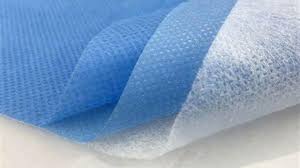
Uses of Non Woven Fabric: 15 Practical Applications
Explore the top uses of non woven fabric across medical, hygiene, filtration, automotive, agriculture, construction, and home care with examples.
-
Recent Post
-
Non Woven Fabric Textile Applications Across Industries: Comprehensive Use Cases
Nonwoven fabrics are widely used across industries for their versatility, cost-effectiveness, and ta
20.06.2026
Read Article -
Global Nonwoven Market Trends and Growth Opportunities: 2026 Outlook
The global nonwoven market is expanding rapidly due to strong demand from hygiene, medical, filtrati
20.06.2026
Read Article -
Difference Between Woven and Non-Woven Fabrics: Key Structural, Performance, and Application Differences
Woven and non-woven fabrics differ in how they are made, how they perform, and where they are used.
05.03.2026
Read Article -
What Are the Uses of Nonwoven Fabric? Practical Applications and Industry Examples
Nonwoven fabrics are versatile materials used across healthcare, hygiene, filtration, automotive, ag
06.02.2026
Read Article -
Types of Non-Woven and Their Uses: Applications, Manufacturing Methods, and Industry Examples
Nonwoven fabrics are engineered materials made by bonding fibres rather than weaving them together.
06.02.2026
Read Article -
What Are Biodegradable Materials and Why Do They Matter?
What biodegradable materials are, how they work, real-world examples, and why they are becoming non-
09.01.2026
Read Article -
What is Recyclable Nonwoven Fabric and Why is it Important?
That’s where recyclable nonwoven fabric comes in. It addresses a real problem. High-volume disposa
14.01.2026
Read Article -
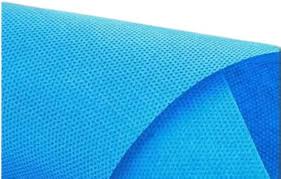
Why Use Nonwovens in Medical and Healthcare?
Nonwovens are used in medical and healthcare because they solve the real constraints of modern care:
15.12.2025
Read Article -
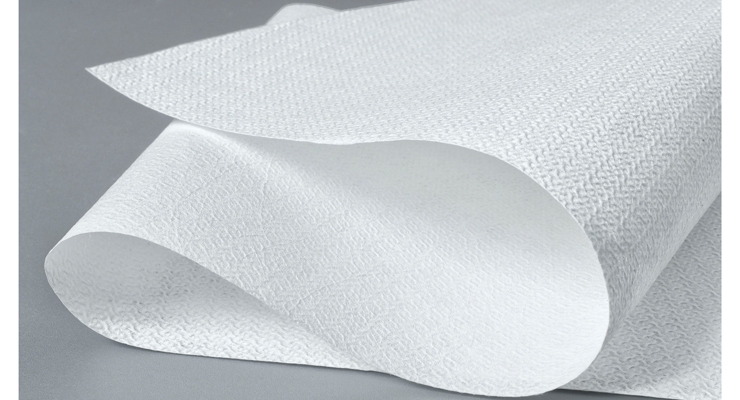
Dry Wipes Non Woven Fabric. Uses, Types and Benefits
Learn what dry wipes non woven fabric is, its types, materials, manufacturing process, applications,
25.12.2025
Read Article -
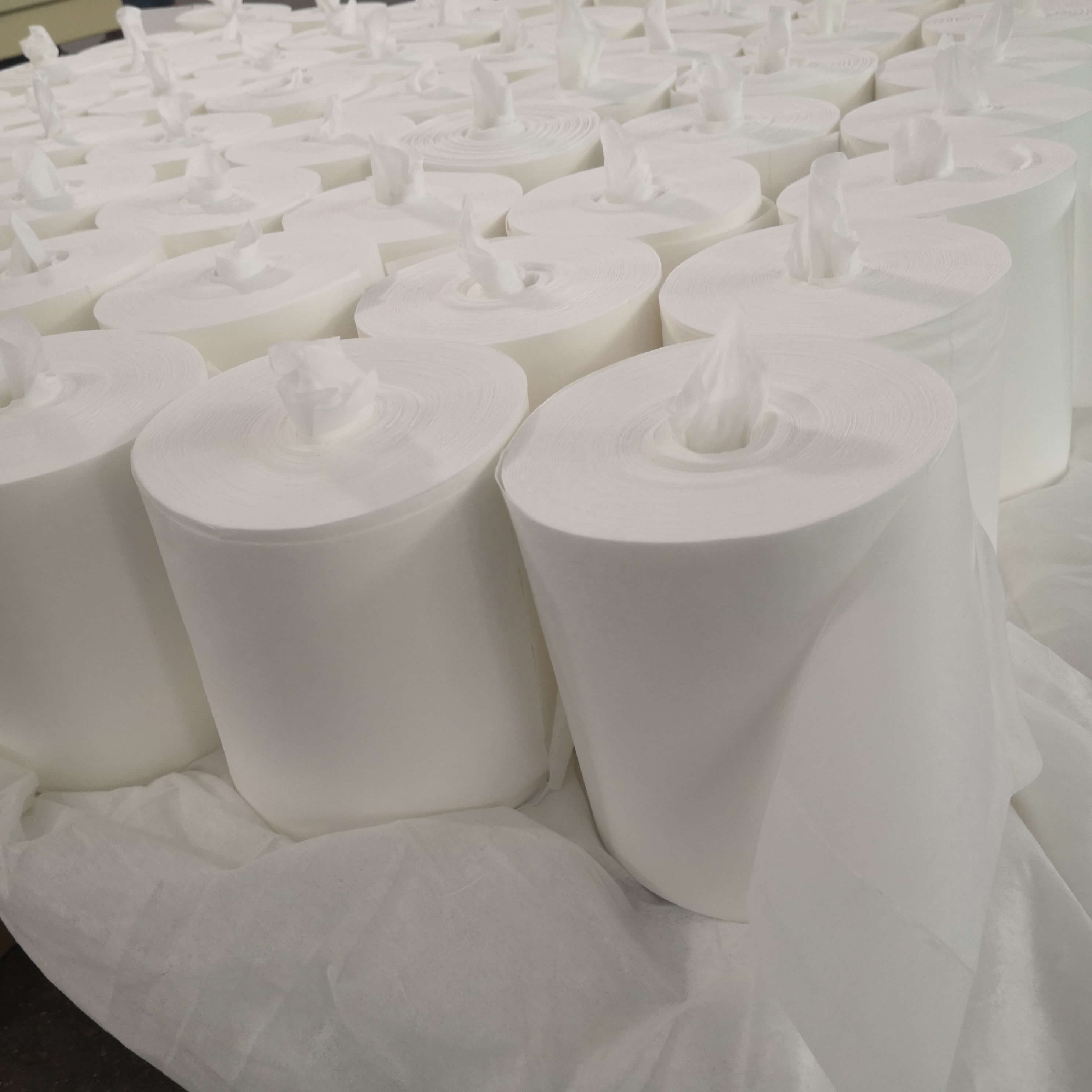
Non Woven Fabric Manufacturer | Top Suppliers & Uses Guide
Looking for a trusted non woven fabric manufacturer? Explore leading global suppliers, including Eli
24.12.2025
Read Article -
Top 10 Medical Nonwoven Fabric Exporters Trusted by Global Healthcare Brands
Discover the top medical nonwoven fabric exporters trusted worldwide. Explore quality, applications
16.12.2025
Read Article -
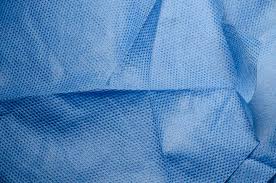
Cellulose Based Nonwoven Fabric | Eco Friendly Innovation
Explore the benefits of cellulose-based nonwoven fabric—biodegradable, soft, and sustainable. Idea
19.11.2025
Read Article -
Beautyworld Dubai: Discovering New Opportunities for Elixrr
Exploring innovative trends and partnerships at Beautyworld Dubai, uncovering exciting growth opport
07.11.2025
Read Article -
Green Nonwoven Technology: Sustainable Innovation in Nonwoven Fabrics
Learn how green nonwoven technology uses eco-friendly materials and energy-efficient manufacturing t
30.10.2025
Read Article -
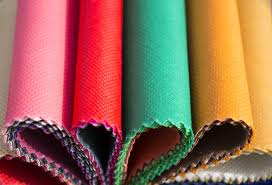
Types of Nonwoven Fabric and Their Uses in 2025
Explore the 7 main types of nonwoven fabric—spunbond, meltblown, spunlace, and more. Learn how eac
28.10.2025
Read Article -
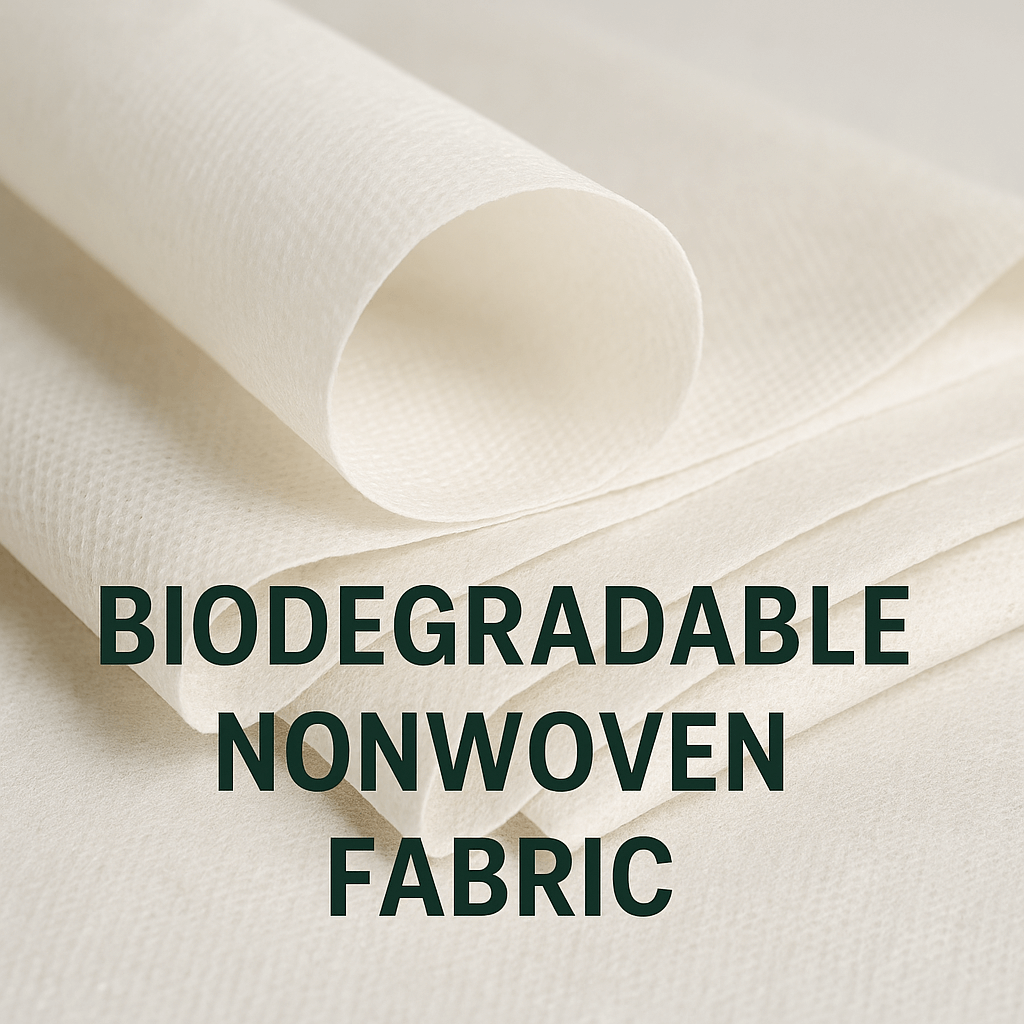
Biodegradable Nonwoven Fabric: The Future of Sustainable Textiles
Biodegradable nonwoven fabrics are reshaping industries with eco-friendly performance and natural de
28.10.2025
Read Article -
Best Non Woven Fabric Manufacturers in India (2025 Edition)
Discover the top 10 non woven fabric manufacturers in India. Explore eco-friendly, high-quality opti
28.10.2025
Read Article -
Top 10 Applications of Non-Woven Fabrics in 2025 — And Why the Market Is Booming
Top 10 Applications of Non-Woven Fabrics in 2025 — And Why the Market Is Booming
20.05.2025
Read Article -
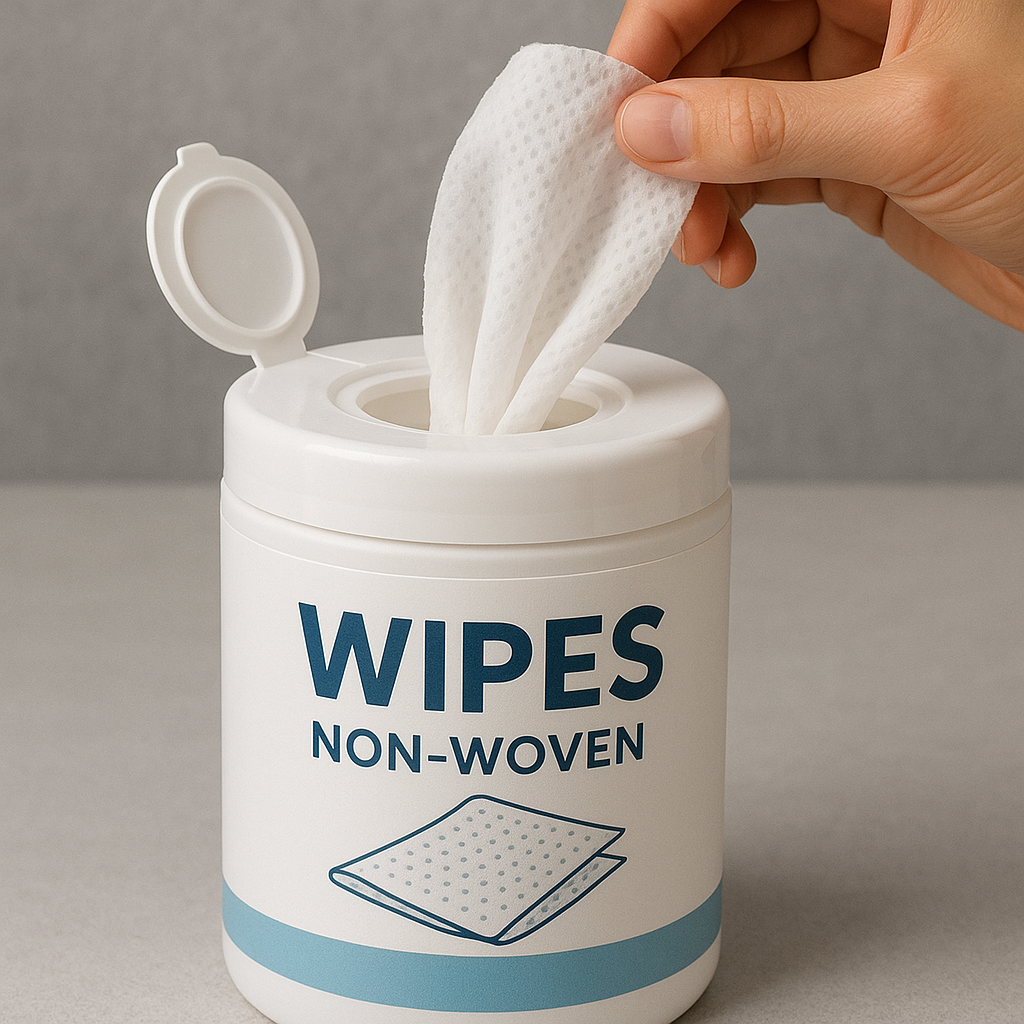
Reinventing Wipes: How Sustainable Nonwovens Are Reshaping the Industry
Elixrr explores how next-generation sustainable nonwovens, from wet-laid spunlace to carded-pulp tec
21.10.2025
Read Article -
Woven Fabric Material Guide: Composition, Types & Common Applications
Explore woven fabric materials—learn their composition, major types, and everyday applications in
09.10.2025
Read Article -
Non Woven Polypropylene Fabric: Uses, Strengths & Comparison with Woven Fabric
Non woven polypropylene (PP) fabric has become one of the most widely used materials across industri
09.10.2025
Read Article -
What Is Knitted Woven Fabric? Types, Techniques & Benefits
Knitted woven fabric is a hybrid textile that blends the structural strength of woven fabrics with t
16.10.2025
Read Article -
Non Woven vs Woven Fabrics: Key Differences & When to Use Each
Non Woven vs Woven Fabrics: Key Differences & When to Use Each
18.09.2025
Read Article -
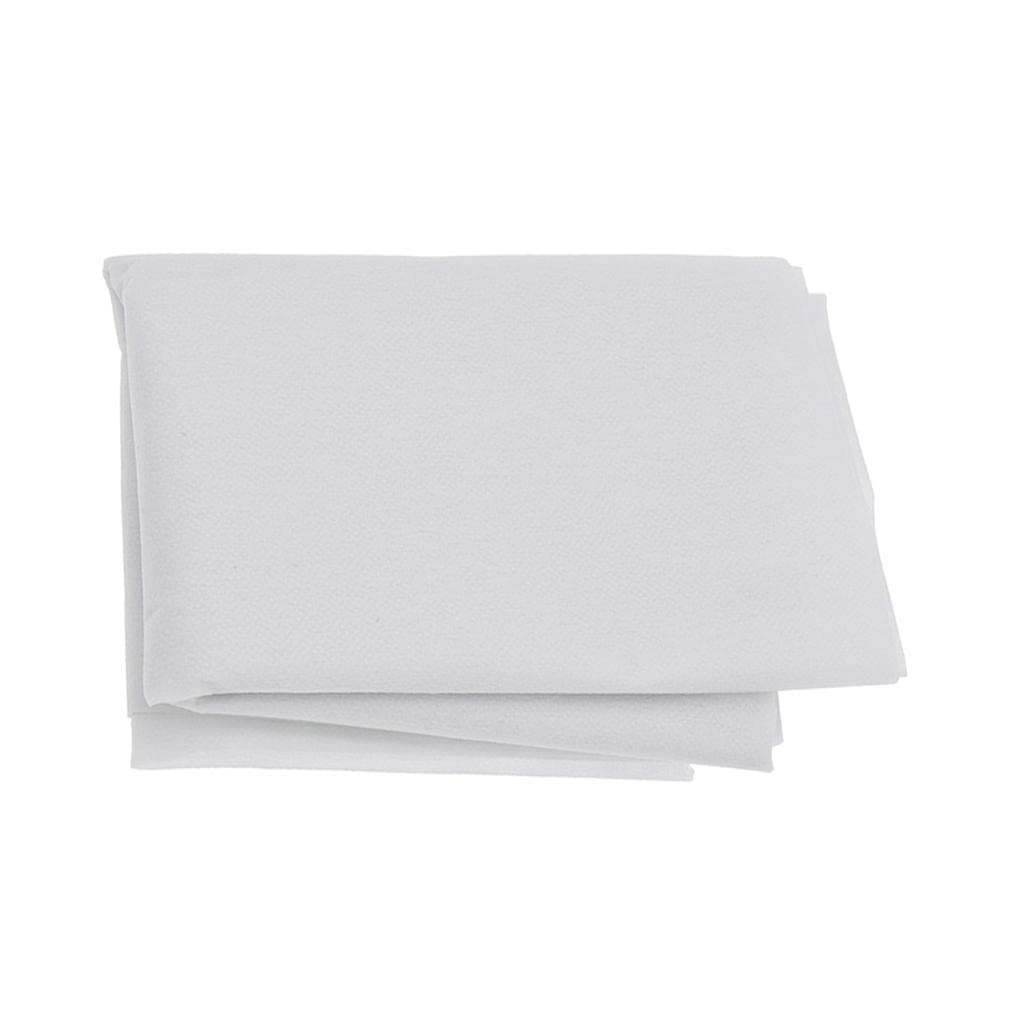
Non Woven Polypropylene Fabric: Uses, Strengths & Comparison with Woven Fabric
Non Woven Polypropylene Fabric: Uses, Strengths & Comparison with Woven Fabric
19.09.2025
Read Article -
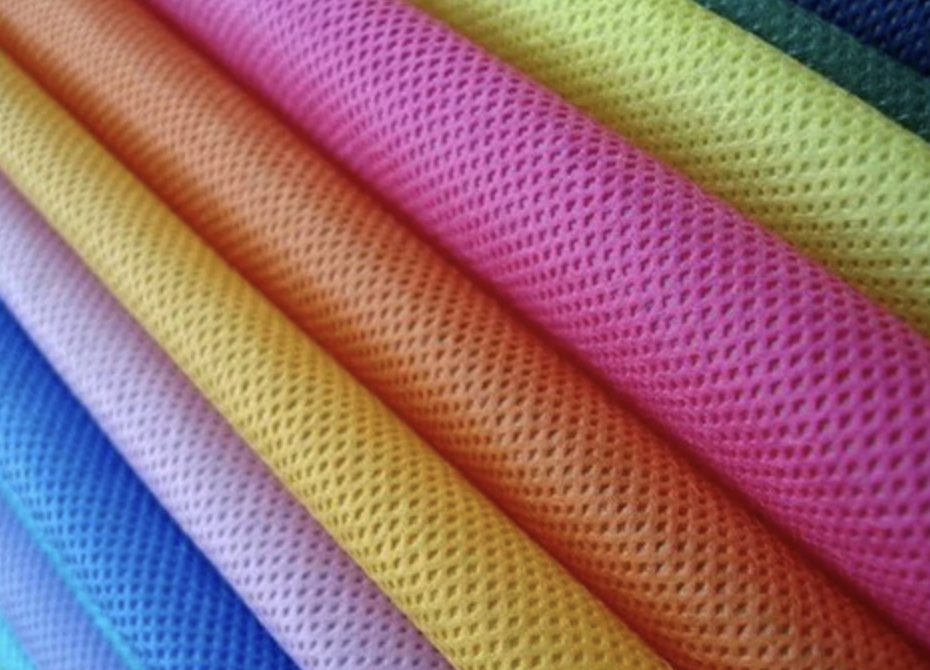
Spunbond Non Woven Fabric: How It’s Made and Where It’s Used
Explore the manufacturing process and applications of spunbond non woven fabric. Learn why it’s wi
11.09.2025
Read Article -
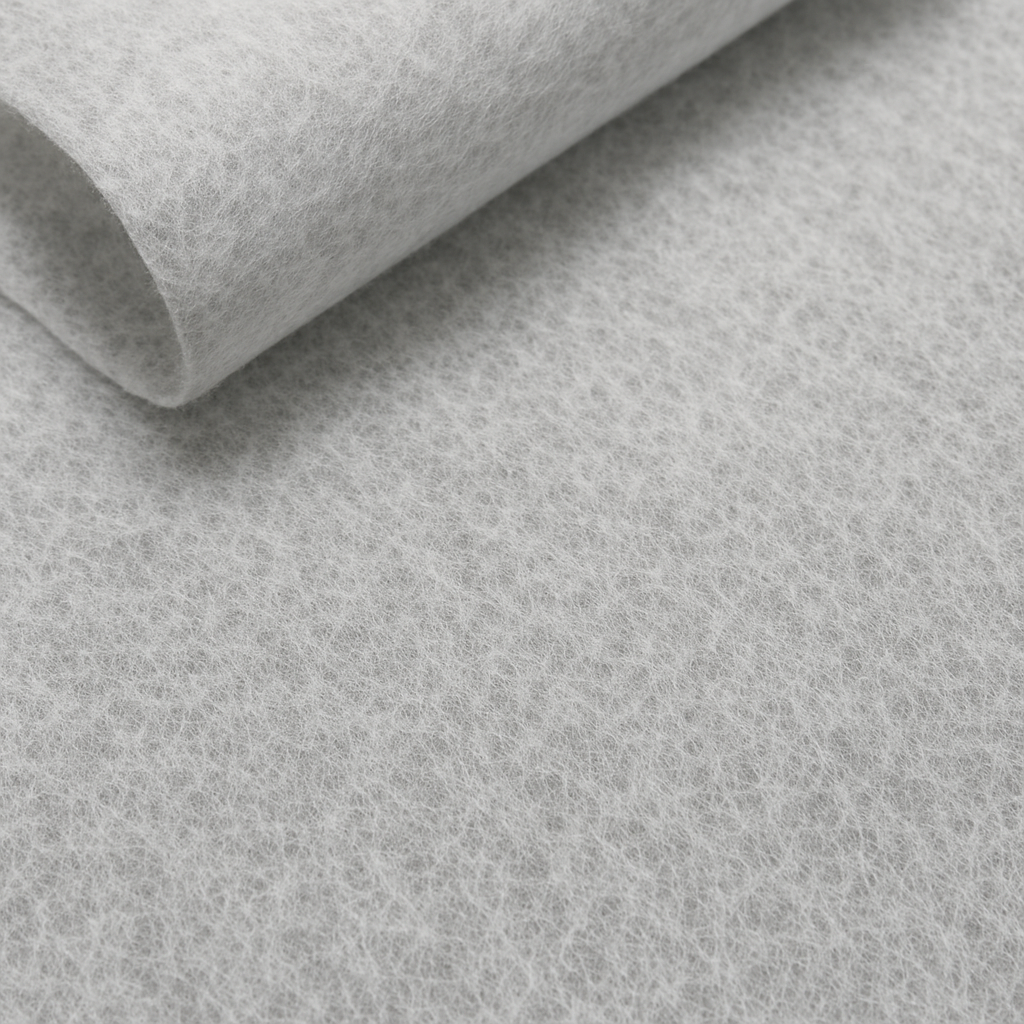
Polyester Non Woven Fabric: Benefits, Properties & Industrial Uses
Discover the benefits and industrial uses of polyester non woven fabric. Learn about its properties,
03.09.2025
Read Article -
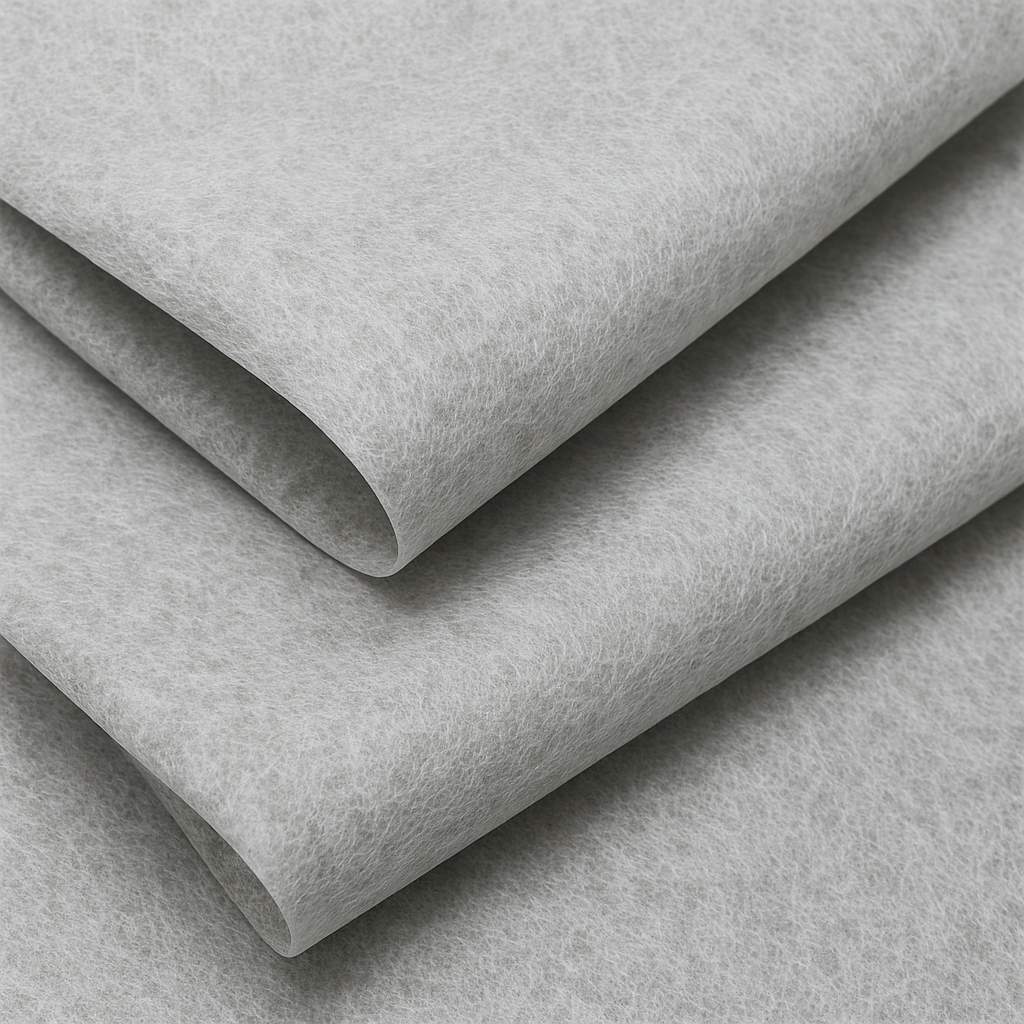
What Is Non Woven Fabric? Definition, Manufacturing & Applications
Explore what non woven fabric is, how it’s made, and where it’s used. Learn about its unique pro
04.09.2025
Read Article -
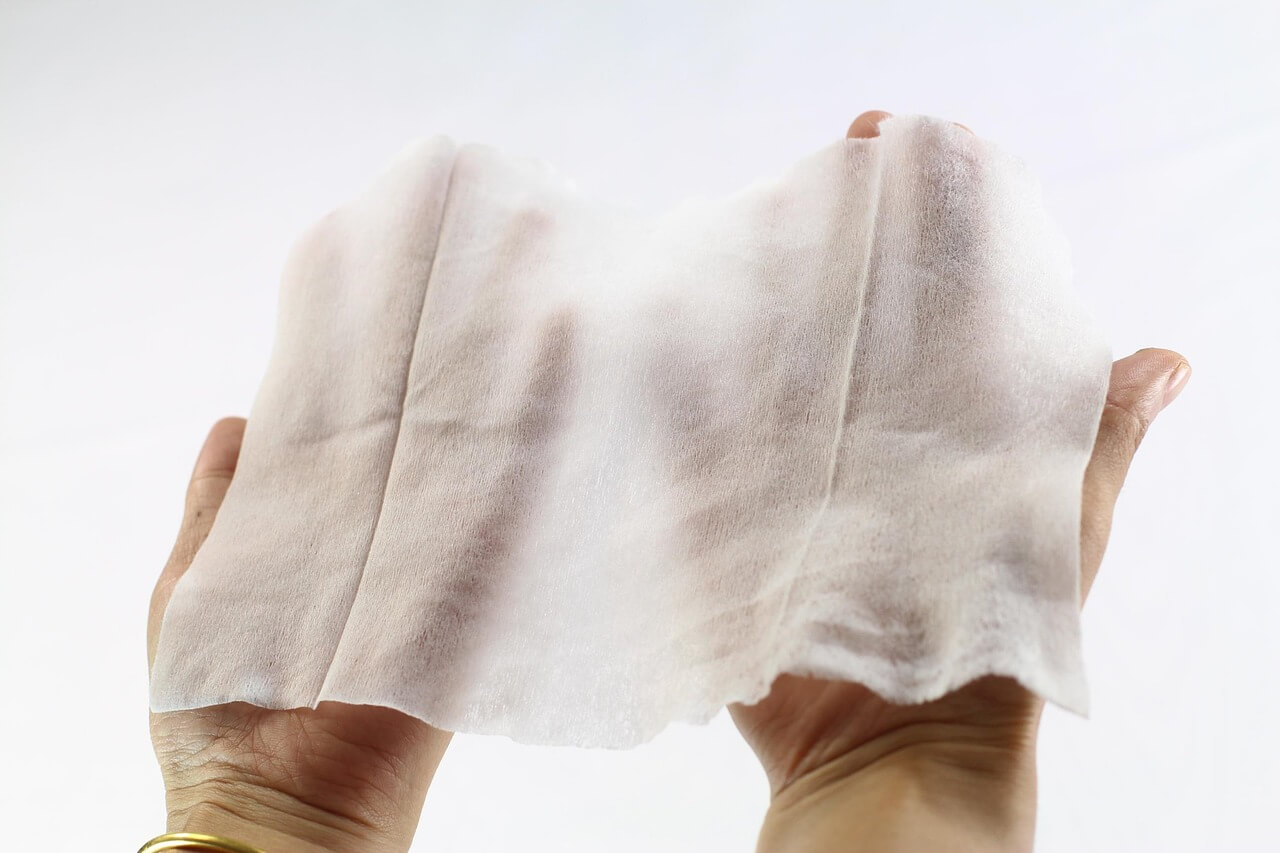
Types of Nonwoven Fabric – A Complete Guide to Nonwoven Fabric
Learn about different types of nonwoven fabrics, their properties, manufacturing methods, and indust
20.05.2025
Read Article -
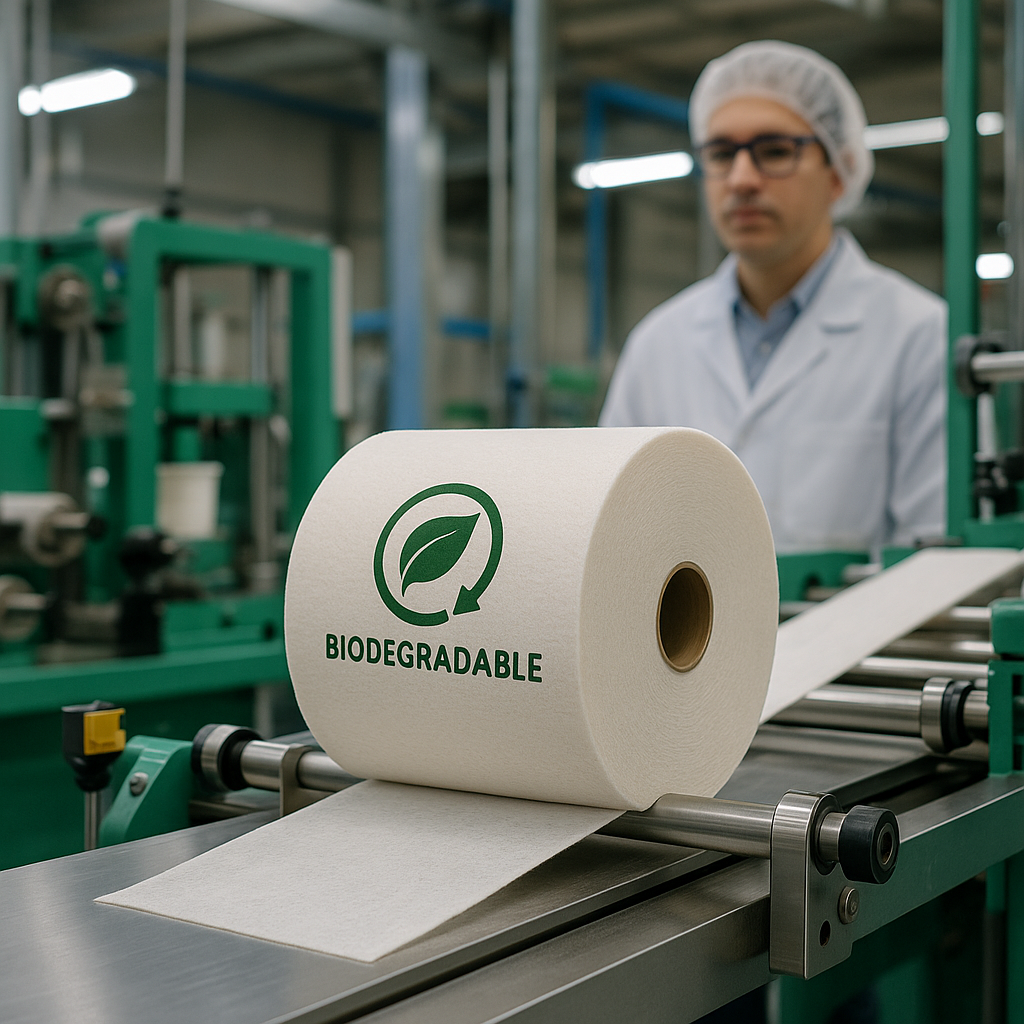
Redefining the Future of Wipes: Insights from WOW 2025
Elixrr Nonwovens shares key takeaways from WOW 2025, highlighting sustainable innovations, energy-ef
29.07.2025
Read Article -
Sustainability is Elixrr’s Focus at Global Wipes Markets at Wow 2025
Visit the WOW conference and see our proprietary nonwoven wipes fabrics Enduraspun, Ecopun and Softs
03.07.2025
Read Article -
Inside Elixrr: A Conversation with Subir Barman on the Future of Nonwovens and Next-Gen Manufacturing
As the global demand for sustainable, high-performance materials accelerates, Elixrr Nonwovens conti
20.05.2025
Read Article -
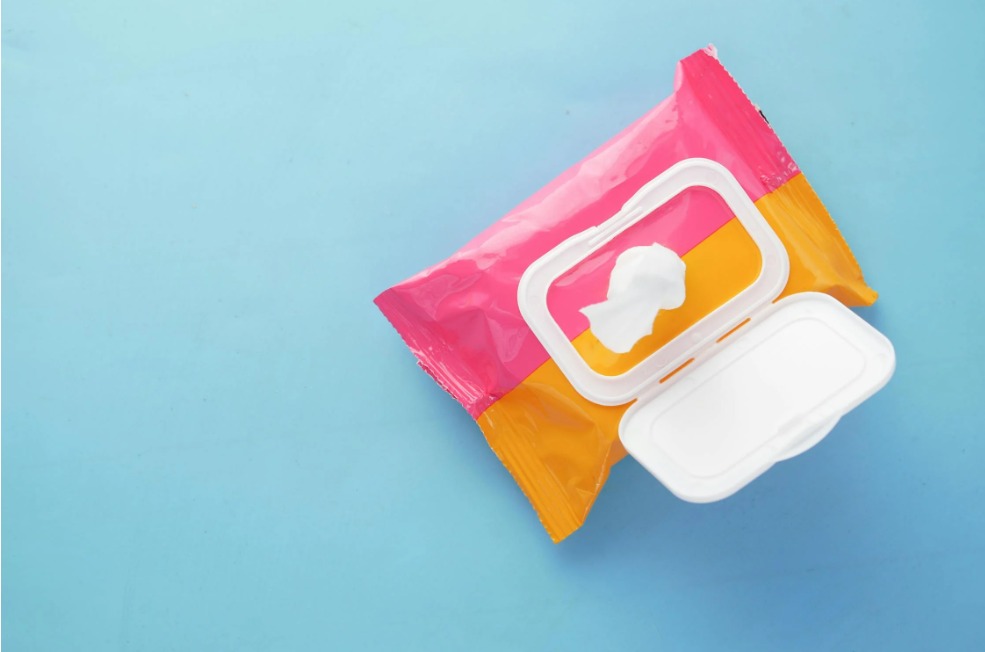
Spunlace Nonwoven Fabrics: Explore Characteristics and Benefits
In a world where hygiene, safety, and softness intersect, material science has a quiet hero, spunlac
20.05.2025
Read Article -
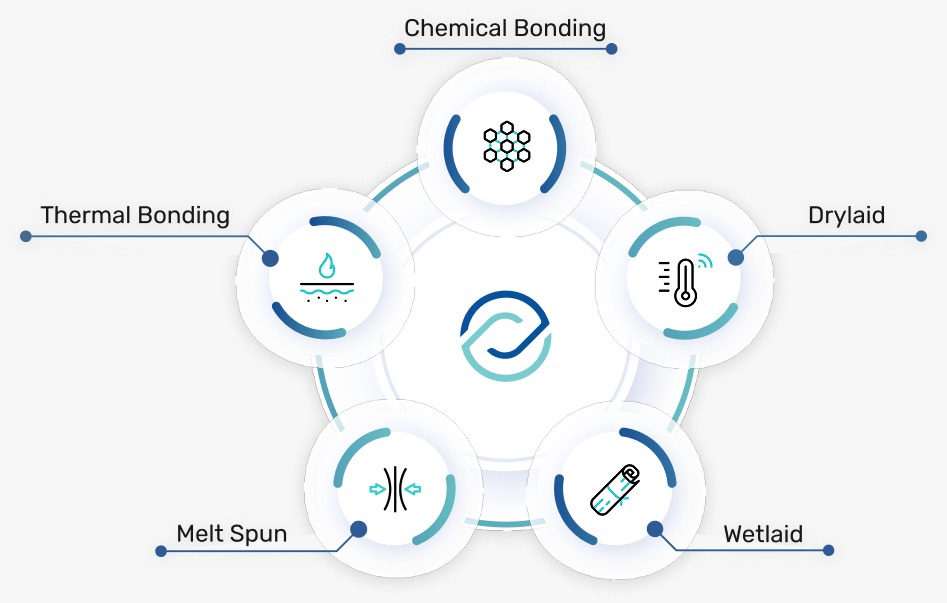
PentaTech™ by Elixrr Nonwovens: Pioneering the Future of High-Performance and Sustainable Nonwovens
Innovation in nonwoven materials isn’t optional anymore. It’s what drives progress. As industrie
07.05.2025
Read Article -
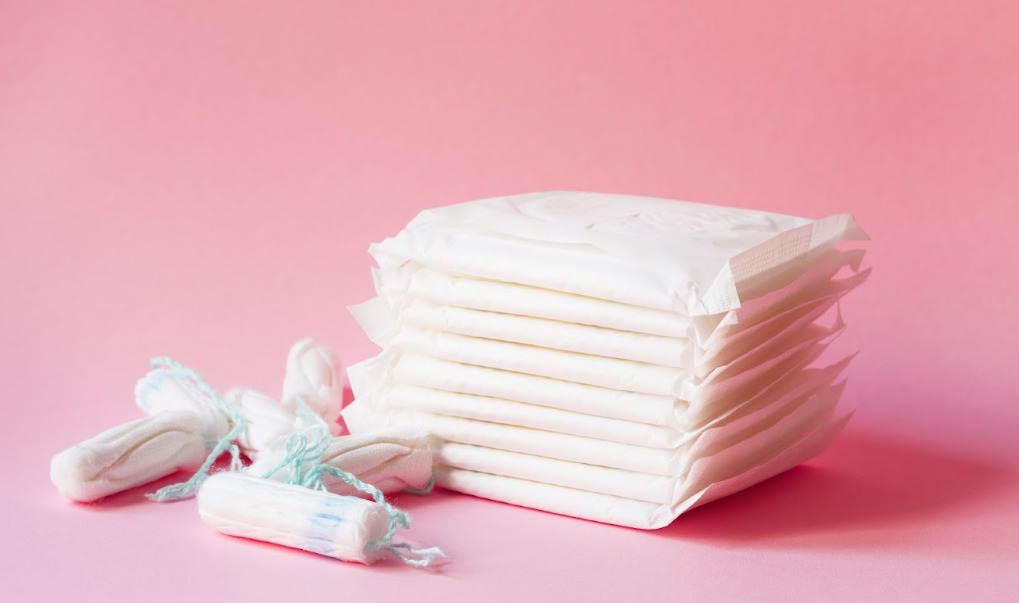
Is Non-Woven Fabric Biodegradable? Exploring the Eco-Friendliness of Non-Wovens
Every business is searching for environmentally appropriate substitutes as the globe moves towards s
02.05.2025
Read Article -
What Are Non Woven Fabrics Used For? Key Examples & Features
In an era defined by performance, precision, and sustainability, materials are no longer just passiv
28.04.2025
Read Article -
Is Leather a Non-Woven Fabric? Let’s Unravel the Truth!
Leather embodies luxury, durability, and style. However, in a society increasingly focused on novel
21.04.2025
Read Article -
Can You Heat Press Non-Woven Fabric? A Complete Guide
The textile industry has embraced heat pressing. Adding colourful graphics to cloth banners or perso
18.04.2025
Read Article -
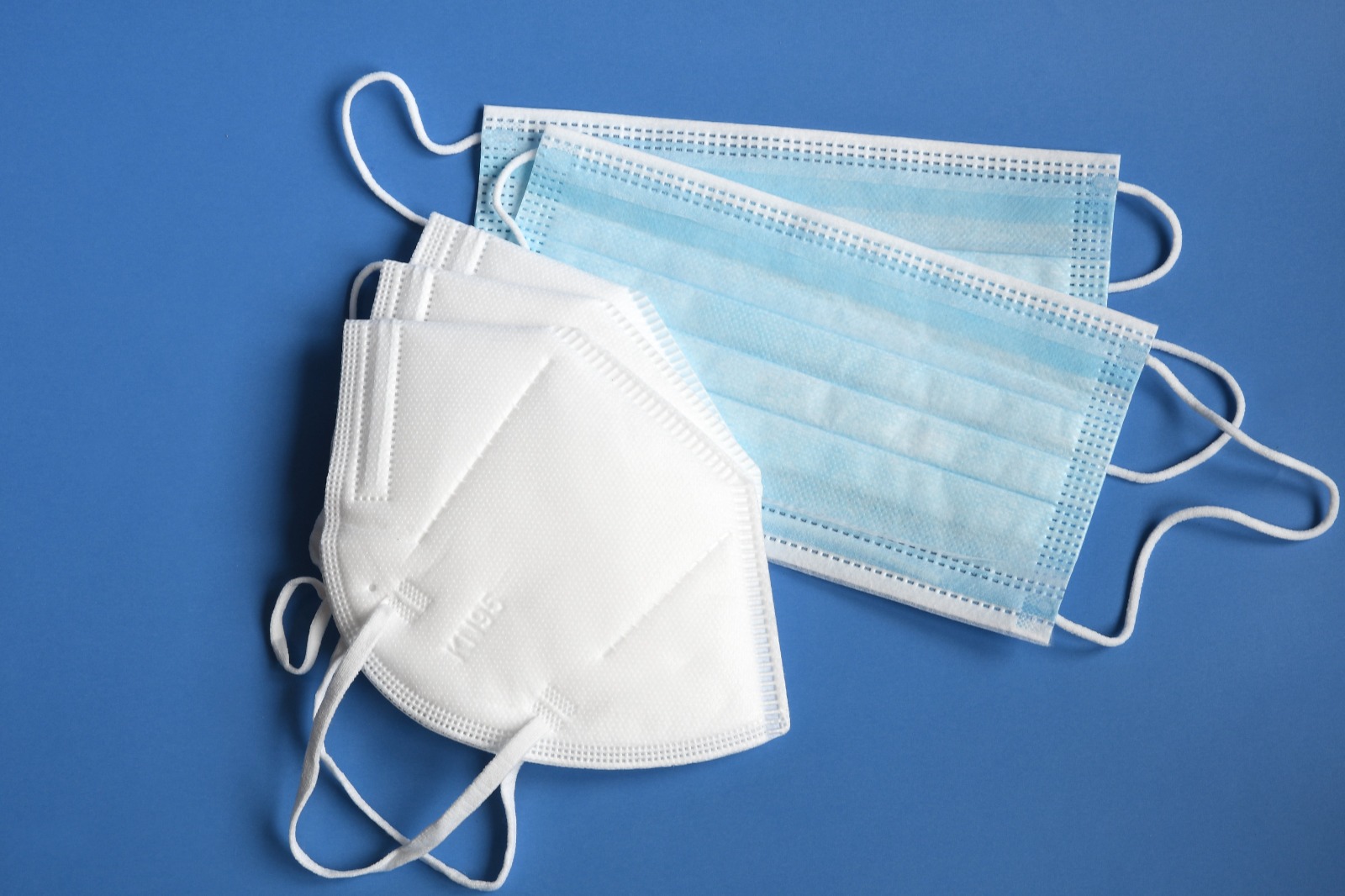
Can Non-Woven Fabric Be Washed? Let’s Unravel the Truth
Non-woven fabrics are used in a variety of applications, including medical masks, reusable shopping
14.04.2025
Read Article -

Non Woven Fabrics Vs Woven Fabrics: Choose the Right Fabric
If you have ever asked yourself why some materials are all about robustness while others are cutting
11.04.2025
Read Article -
Top 10 Non-Woven Fabric Manufacturers in Europe
The non-woven fabric industry has grown significantly in Europe, driven by the demand for high-quali
27.06.2025
Read Article -
Non-Woven Fabric: Moisture Absorption, Properties & Uses
When it comes to fabric selection, understanding the properties of different materials is essential,
04.04.2025
Read Article -
Types of Fabric: A Beginner Comprehensive Fabric Guide | 2025
Fabrics are the foundation of countless industries and everyday life, influencing everything from th
31.03.2025
Read Article -
What are Non-Woven fabrics?
India has always had a rich relationship with textiles. From the fine muslin that adorned royalty to
28.03.2025
Read Article
-
Need nonwoven solutions for your application?
Talk to our team about custom fabrics, sustainability, and product development tailored to your industry.
Frequently Asked Questions
Know everything — be it our products, our process, or why nonwovens are so cool.
What is the most common use of non woven fabric?
Hygiene and medical products are among the most common uses, including diapers, sanitary products, masks, gowns, and wipes.
Why is non woven fabric used in masks?
Because meltblown and composite structures can capture very small particles efficiently while keeping the material lightweight.
Is non woven fabric used in cars?
Yes. It is used in cabin air filters, trims, liners, mats, and sound insulation applications.
Is non woven fabric only for disposable products?
No. Many applications are durable, including geotextiles, automotive insulation, construction layers, carpet backing, and furniture linings.
Which non woven fabric is best for wipes?
Spunlace is commonly used because it is soft, drapable, and handles liquids well.
Explore Recent Blogs
Non Woven Fabric Textile Applications Across Industries: Comprehensive Use Cases
Nonwoven fabrics are widely used across industries for their versatility, cost-effectiveness, and ta
Read More
Global Nonwoven Market Trends and Growth Opportunities: 2026 Outlook
The global nonwoven market is expanding rapidly due to strong demand from hygiene, medical, filtrati
Read More
Difference Between Woven and Non-Woven Fabrics: Key Structural, Performance, and Application Differences
Woven and non-woven fabrics differ in how they are made, how they perform, and where they are used.
Read More
What Are the Uses of Nonwoven Fabric? Practical Applications and Industry Examples
Nonwoven fabrics are versatile materials used across healthcare, hygiene, filtration, automotive, ag
Read More

Weave Your Success with Our Revolutionary Fabrics
Power your business with Elixrr's cutting-edge nonwoven fabric solutions. Eco-friendly, customizable, and engineered for excellence—because innovation starts with the right foundation.

Non woven fabric is one of those materials you touch every day without noticing. It is in masks and wipes, car interiors, tea bags, crop covers, air filters, roofing layers, and even the lining inside furniture.
If you are here to understand where nonwovens are used, which type fits which application, and why industries prefer them over woven fabrics, this guide will cover it all with practical examples and selection tips.
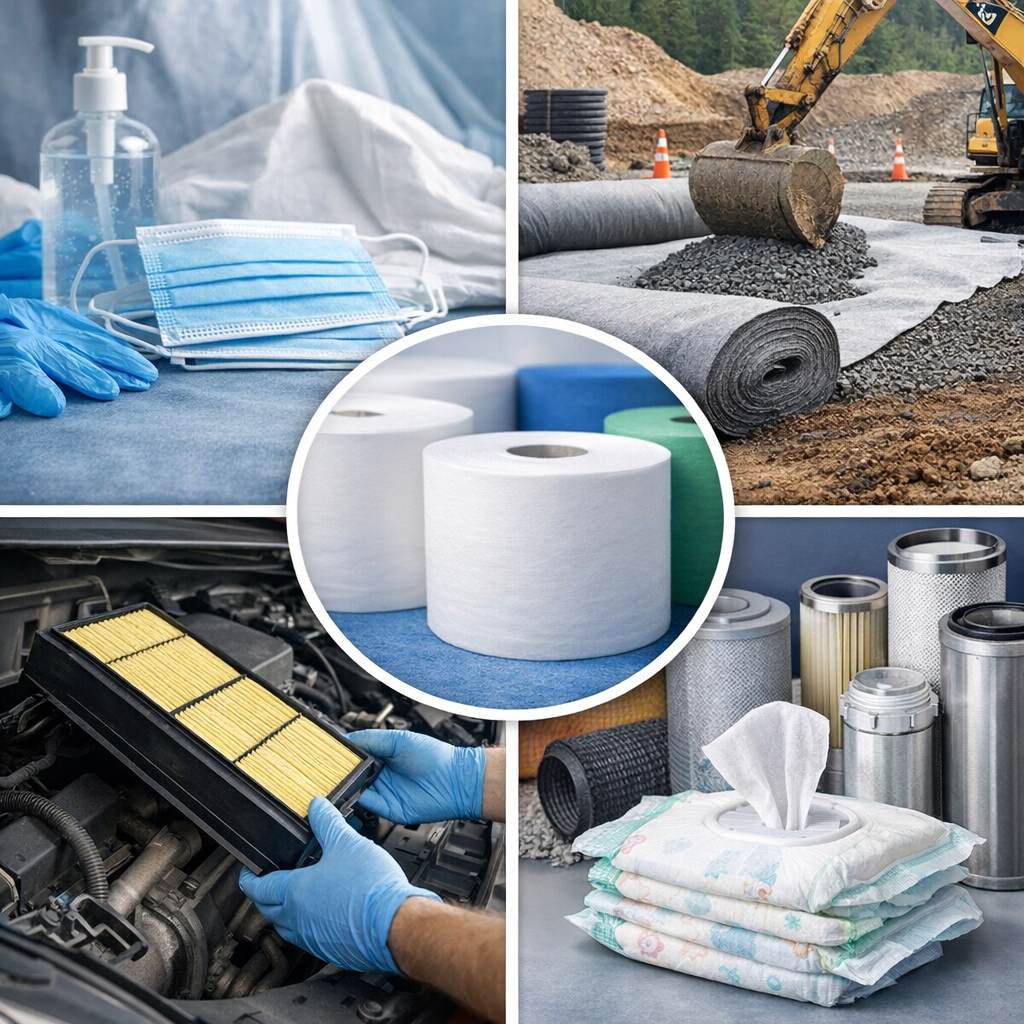
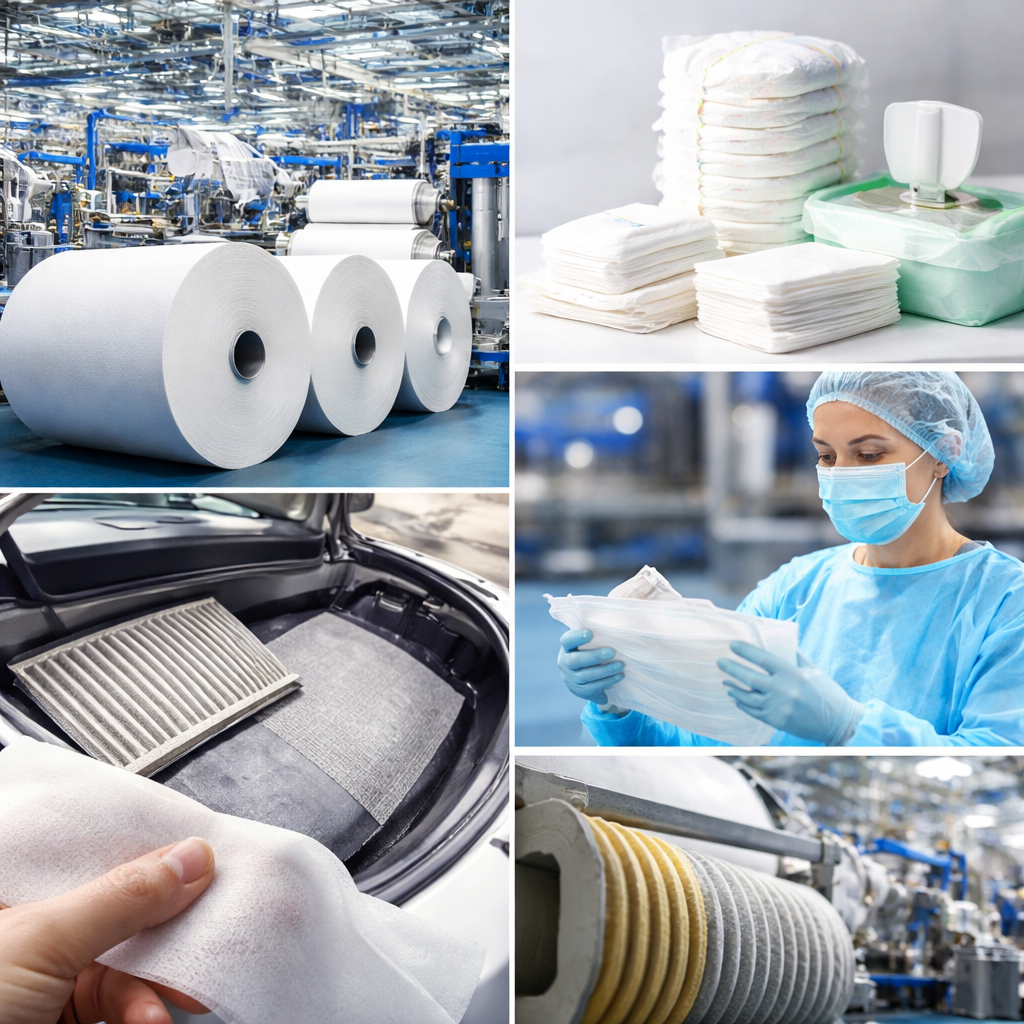
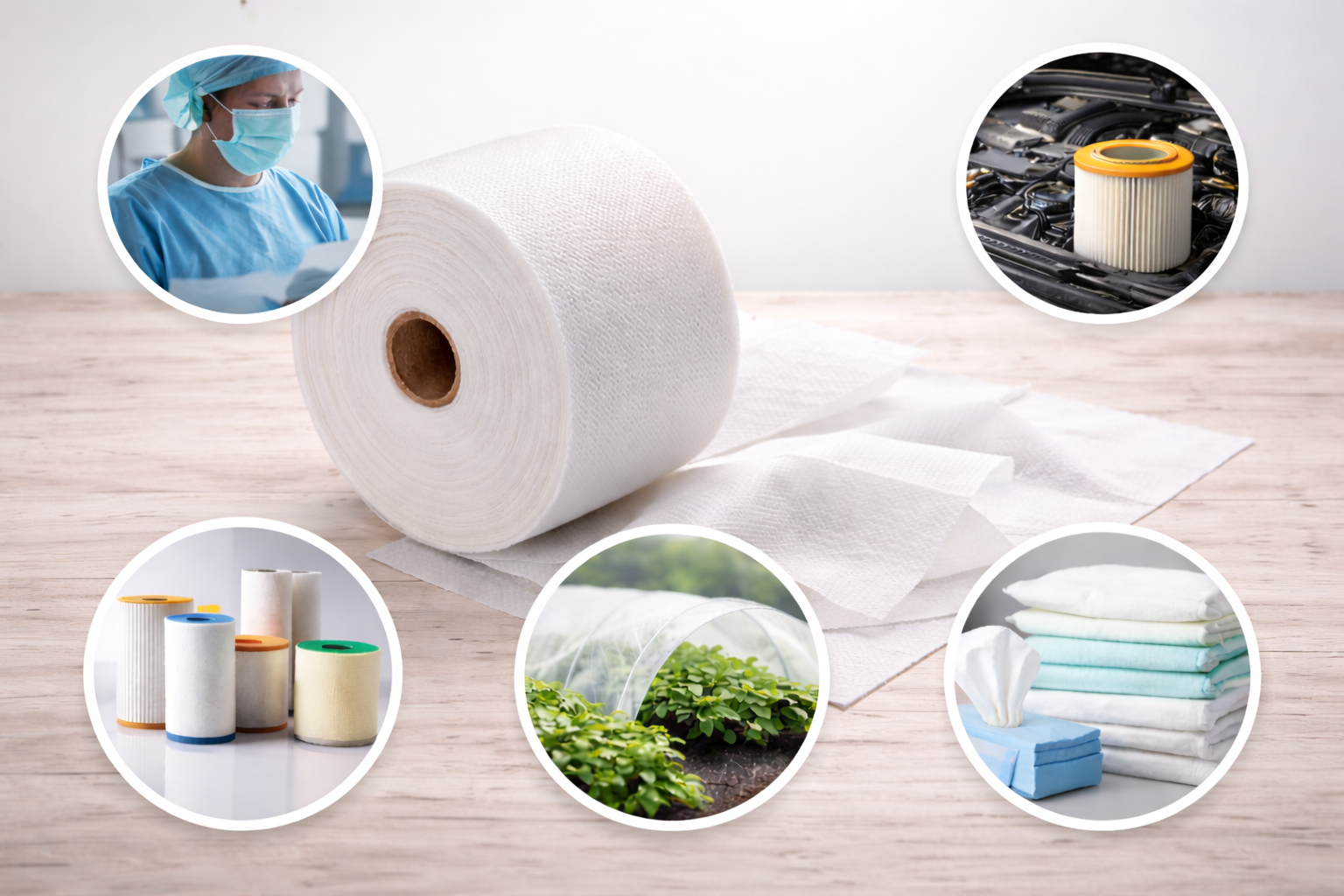
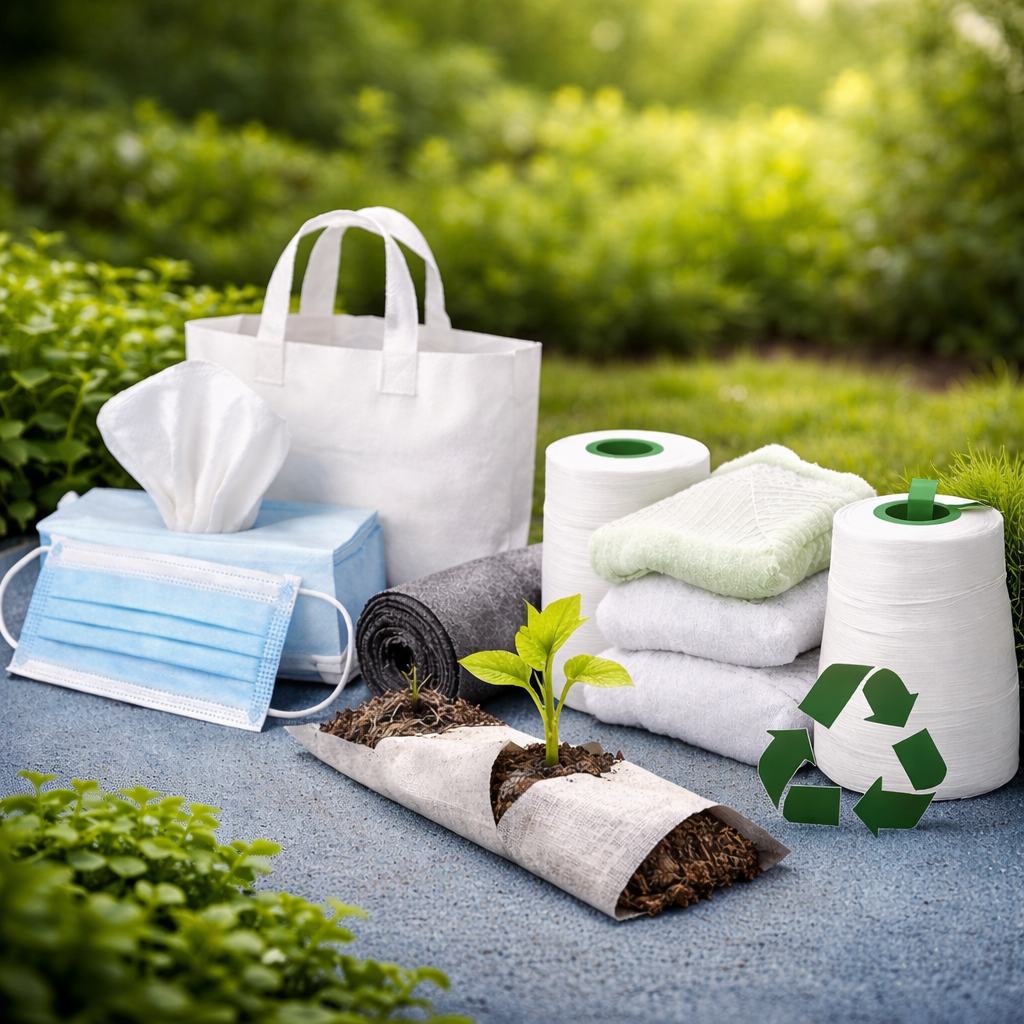
Non woven fabrics are used wherever you need absorbency, filtration, barrier protection, cushioning, insulation, or low cost disposables. The biggest use cases include hygiene and medical products (diapers, masks, gowns), wipes and household cleaning, filtration (air, water, HVAC), automotive interiors (liners, trims, filters), agriculture (crop covers, weed control), construction and geotextiles (drainage, erosion control, roofing underlays), packaging, apparel interlinings, and furniture linings. Their advantage is that properties can be engineered by choosing the right web and bonding method, such as spunbond, meltblown, spunmelt SMS, spunlace, needle punched, airlaid, or wetlaid.
What is non woven fabric, in simple terms?
Non woven fabric is a sheet of fibres bonded together without weaving or knitting. Instead of yarns crossing over and under, fibres are held by heat, mechanical entanglement, chemical binders, or other bonding methods.
What this really means is you can engineer the fabric for a job. Soft and absorbent for wipes. Strong and breathable for medical gowns. Ultra fine for filtration layers.
Why nonwovens are used so widely
Most top ranking articles list applications, but they skip the real reason nonwovens dominate: you can tune performance without making yarn.
Key advantages industries care about:
The most common types of non woven fabric and where they fit
You will see these terms in supplier specs. Here is how to think about them:
15 High impact uses of non woven fabric, with real examples
1. Hygiene products
This is one of the biggest global demand drivers.
Why nonwovens work here: softness, breathability, fluid handling, and low cost at scale.
2. Medical and healthcare disposables
Nonwovens are widely used because they can be engineered for barrier protection and single use hygiene.
3. Wipes and household cleaning
Spunlace and related structures dominate wipes due to softness and liquid handling.
4. Filtration for air, liquid, and industrial processes
If a product needs to trap particles, nonwovens are often the core media.
5. Automotive and transportation
Nonwovens are everywhere inside a vehicle because they are lightweight, moldable, and good for acoustics and filtration.
6. Geotextiles and civil engineering
Need separation, drainage, filtration, or erosion control in soil? Nonwovens are a standard solution.
7. Construction and roofing
Used as functional layers rather than visible surfaces.
8. Agriculture and horticulture
Nonwovens help manage microclimates and protect crops.
9. Furniture and bedding components
Often hidden, but important for performance and cost.
10. Packaging and protective wrapping
Nonwovens show up where you need clean, lightweight, protective packaging.
11. Apparel interlinings and garment structure
A very practical use people forget.
12. PPE and workplace safety
Beyond hospitals, nonwovens are used in protective clothing because they can be breathable while offering barrier properties.
13. Insulation and sound control
Nonwovens can be engineered as high loft structures for thermal and acoustic insulation.
14. Tea bags and specialty food contact applications
A surprisingly common everyday use.
15. Electronics and industrial linings
Nonwovens can act as separators, cushioning layers, and protective wraps in industrial production, depending on fibre and bonding.
How to choose the right non woven fabric for your application
Most articles stop at listing industries. If you want to actually spec or buy the right material, use this decision logic:
Step 1: Start with the job
Step 2: Match it to the nonwoven family
Step 3: Confirm the critical specs
Sustainability and compliance, what to know before you claim anything
Nonwovens can be recyclable, biodegradable, or neither. It depends on polymer choice, fibre blends, coatings, and end of life pathways. If you are creating marketing claims, align them to the exact construction and local regulations.
Also note that the industry discusses disposability and flushability standards, especially for wipes and similar products.
FAQs about uses of non woven fabric
What is the most common use of non woven fabric?
Hygiene and medical products are among the most common uses, including diapers, sanitary products, masks, gowns, and wipes.
Why is non woven fabric used in masks?
Because meltblown and composite structures can capture very small particles efficiently while keeping the material lightweight.
Is non woven fabric used in cars?
Yes. It is used in cabin air filters, trims, liners, mats, and sound insulation applications.
Is non woven fabric only for disposable products?
No. Many applications are durable, including geotextiles, automotive insulation, construction layers, carpet backing, and furniture linings.
Which non woven fabric is best for wipes?
Spunlace is commonly used because it is soft, drapable, and handles liquids well.
Final takeaway
Non woven fabric is not one material. It is a whole toolkit of engineered structures. That is why it shows up in hygiene, medical, filtration, automotive, agriculture, construction, household products, and more. The winning approach is to start with the job to be done, then pick the nonwoven type that delivers the right mix of softness, strength, barrier, filtration, or absorbency.