


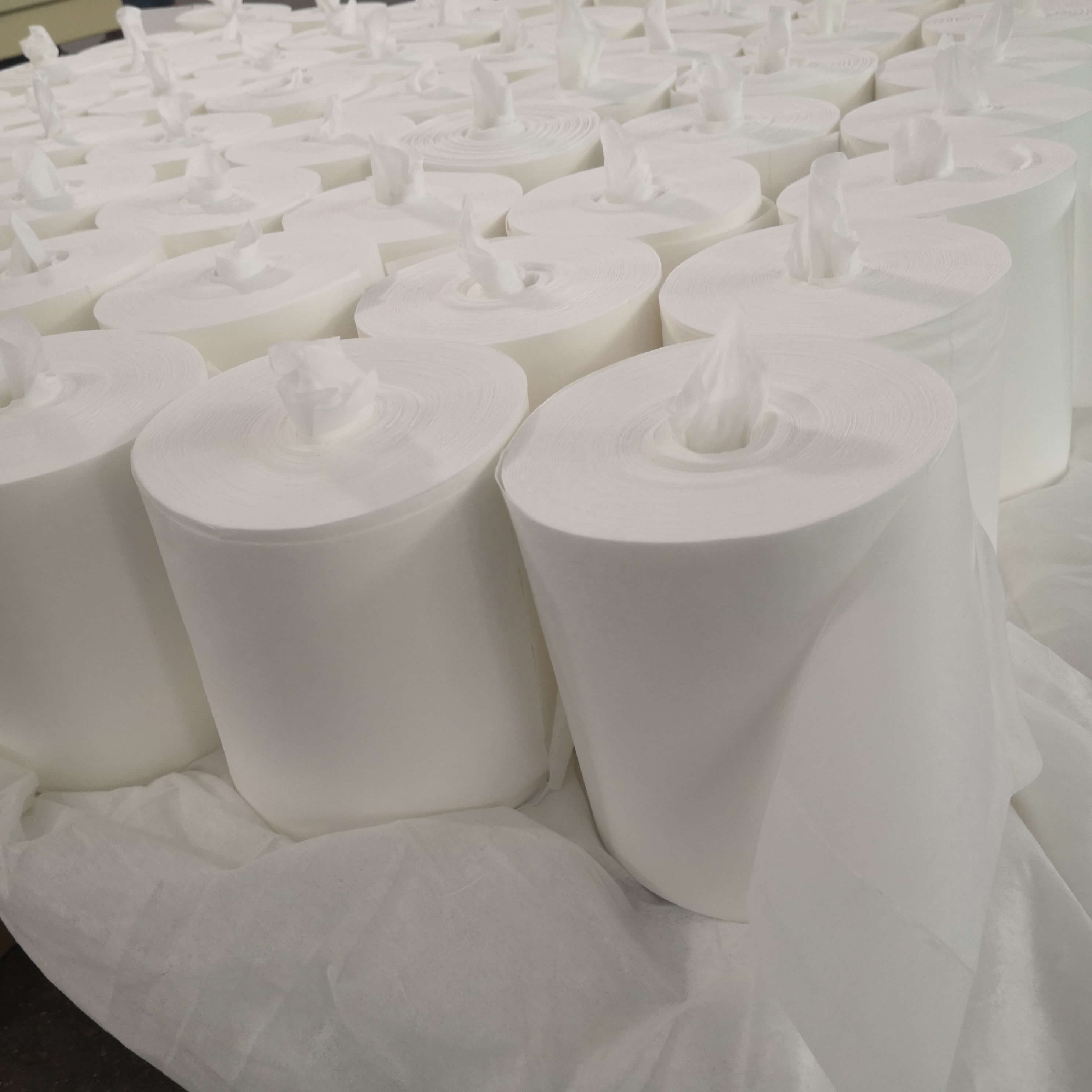
Non Woven Fabric Manufacturer | Top Suppliers & Uses Guide
Looking for a trusted non woven fabric manufacturer? Explore leading global suppliers, including Elixrr Nonwovens, applications, and buying tips.
-
Recent Post
-
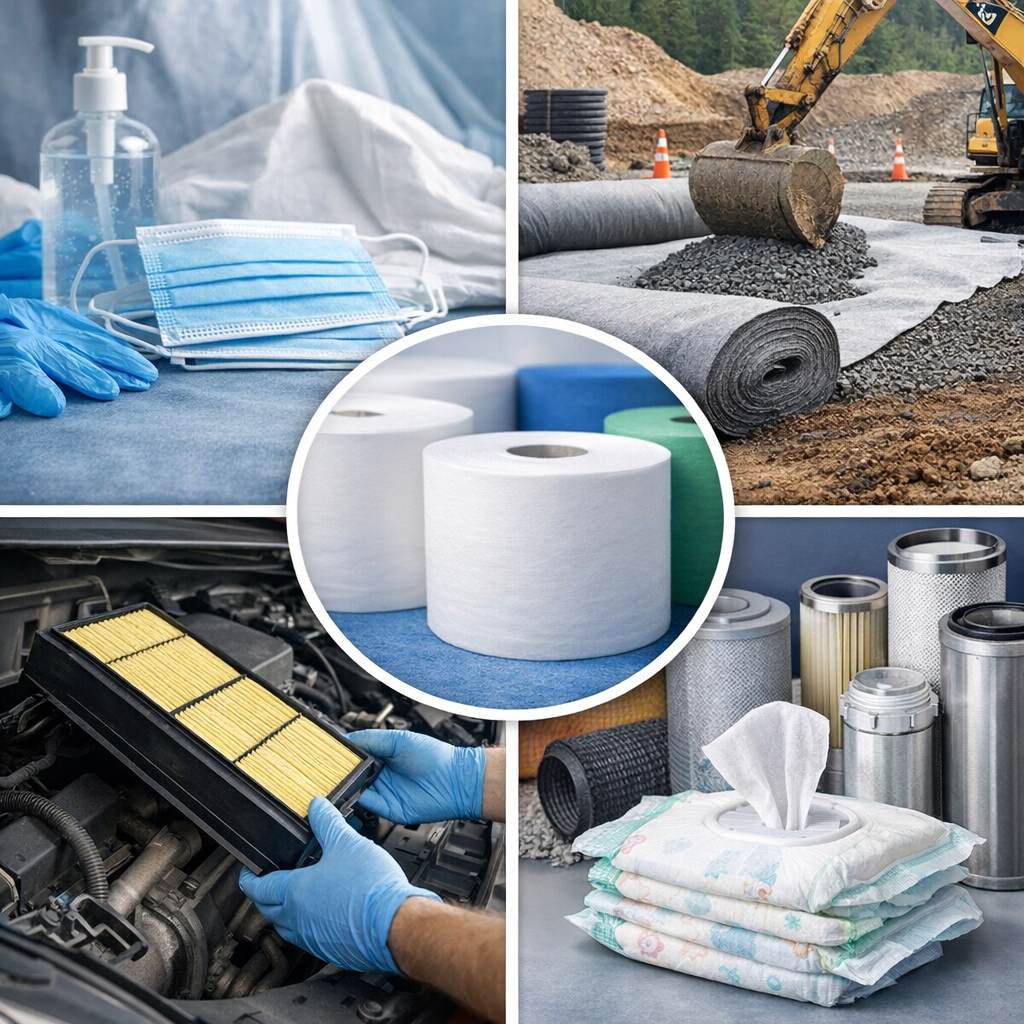
Non Woven Fabric Textile Applications Across Industries: Comprehensive Use Cases
Nonwoven fabrics are widely used across industries for their versatility, cost-effectiveness, and ta
20.06.2026
Read Article -
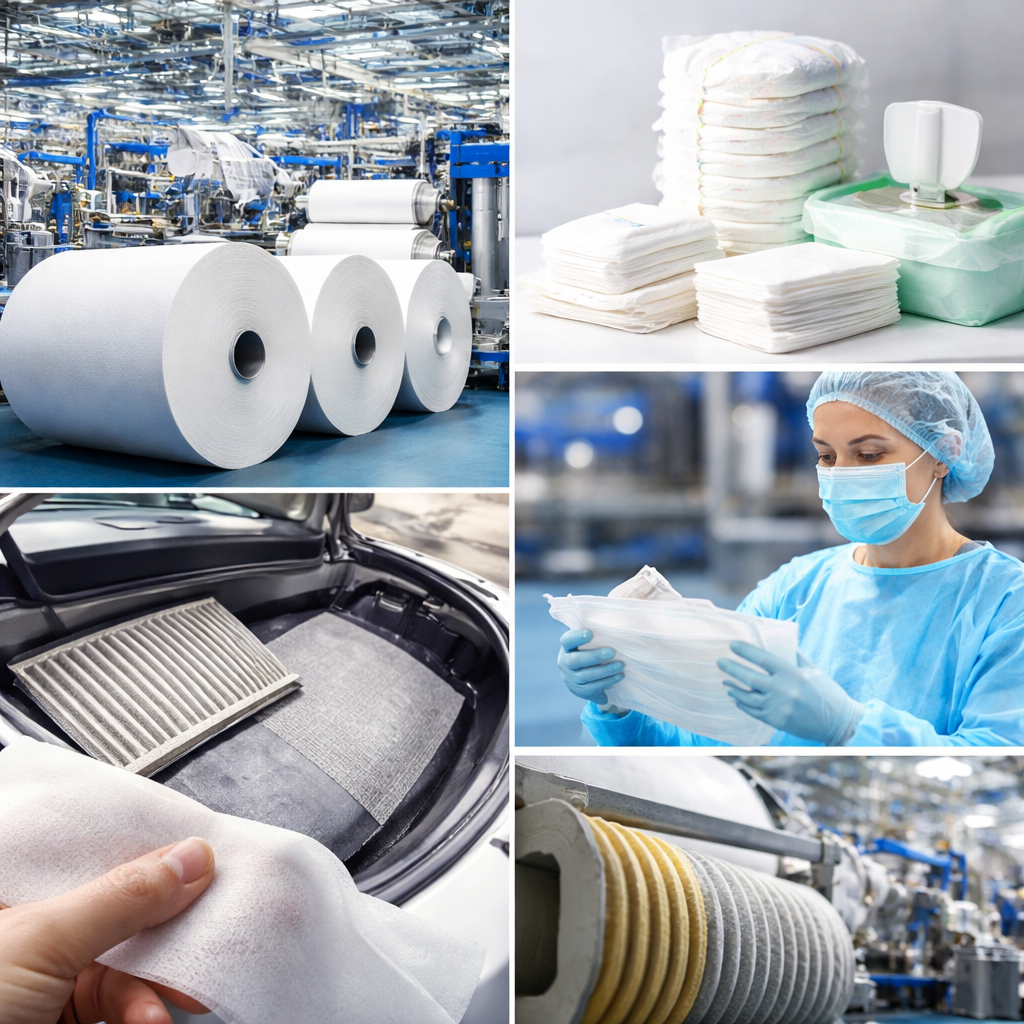
Global Nonwoven Market Trends and Growth Opportunities: 2026 Outlook
The global nonwoven market is expanding rapidly due to strong demand from hygiene, medical, filtrati
20.06.2026
Read Article -
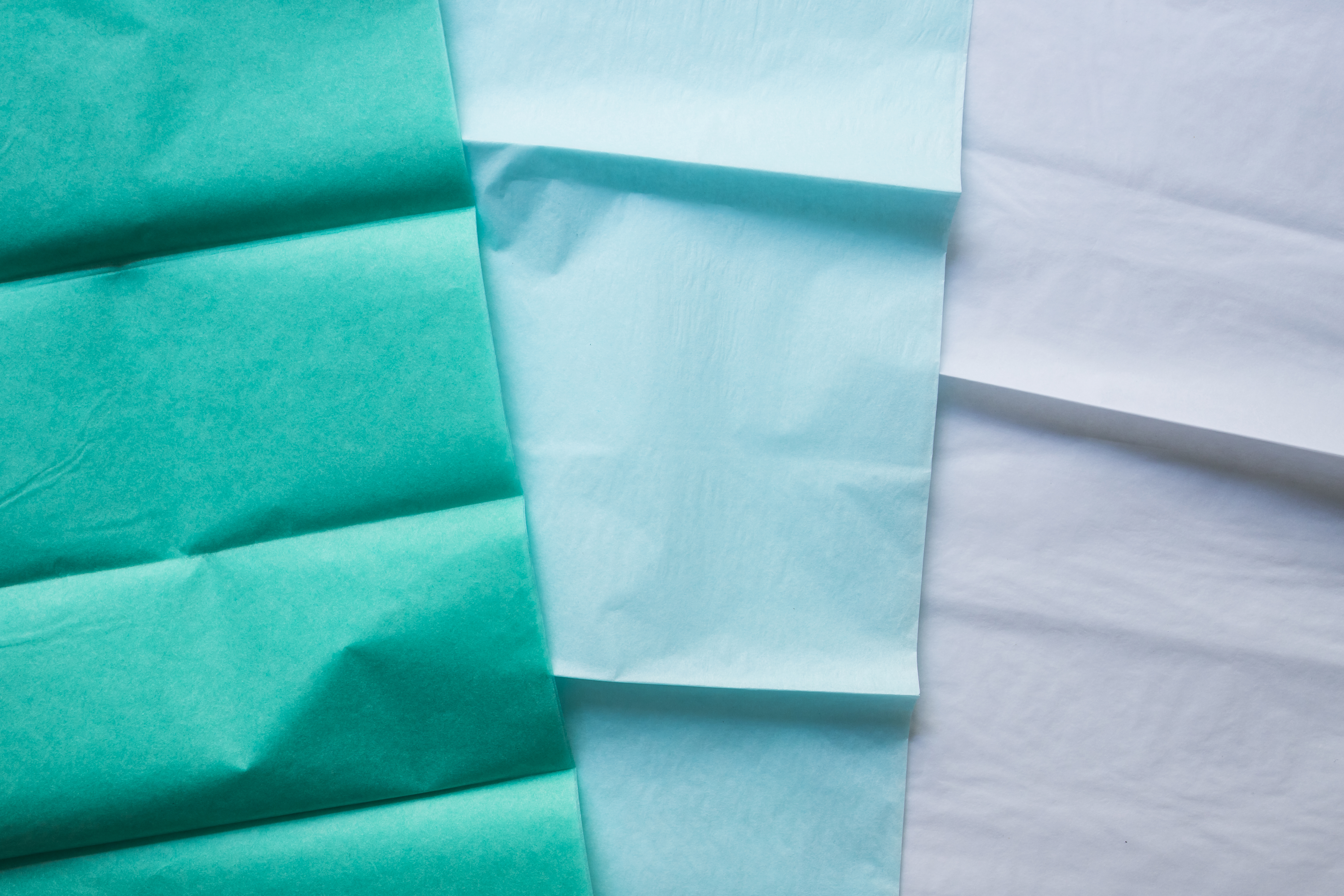
Difference Between Woven and Non-Woven Fabrics: Key Structural, Performance, and Application Differences
Woven and non-woven fabrics differ in how they are made, how they perform, and where they are used.
05.03.2026
Read Article -
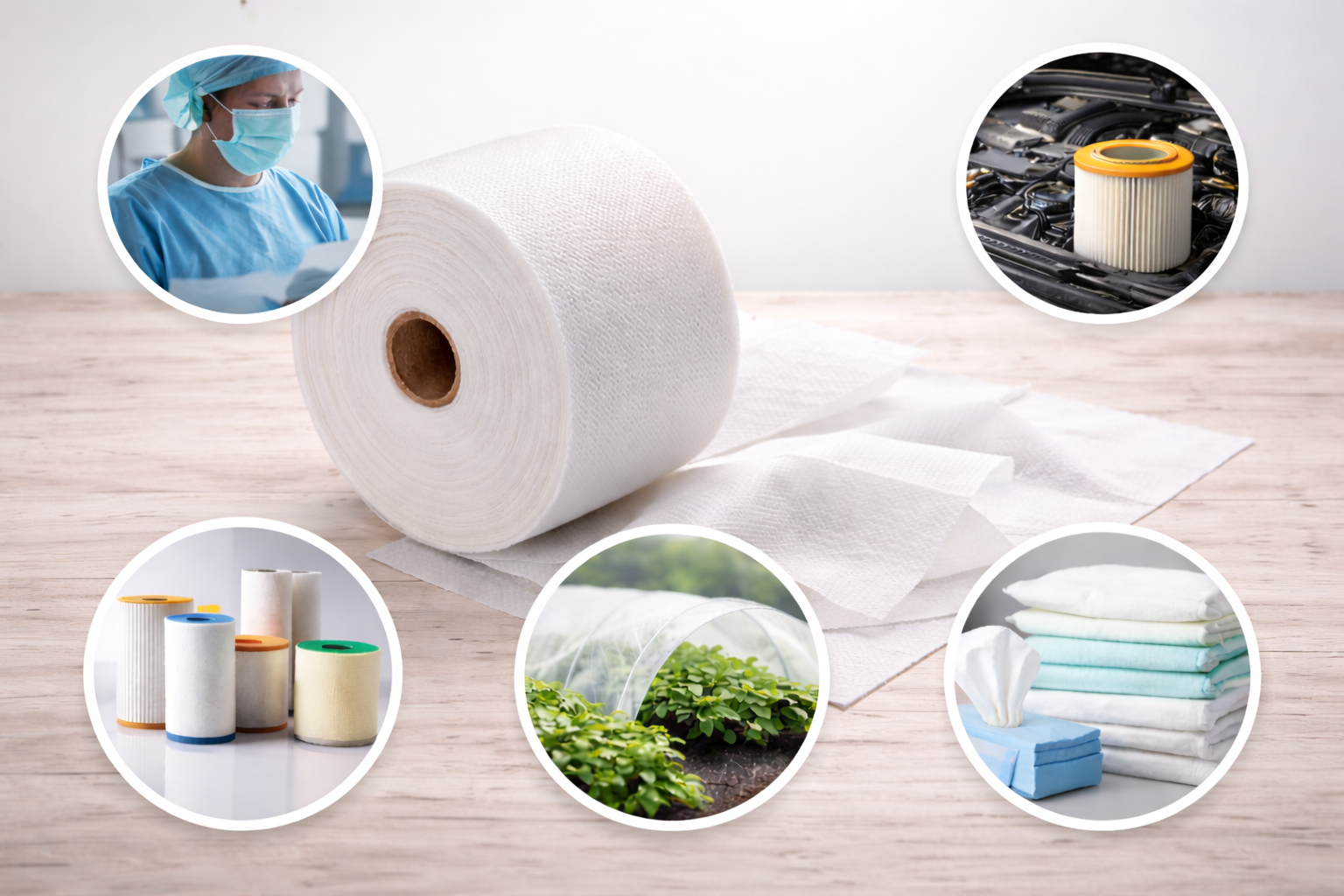
What Are the Uses of Nonwoven Fabric? Practical Applications and Industry Examples
Nonwoven fabrics are versatile materials used across healthcare, hygiene, filtration, automotive, ag
06.02.2026
Read Article -

Types of Non-Woven and Their Uses: Applications, Manufacturing Methods, and Industry Examples
Nonwoven fabrics are engineered materials made by bonding fibres rather than weaving them together.
06.02.2026
Read Article -

What Are Biodegradable Materials and Why Do They Matter?
What biodegradable materials are, how they work, real-world examples, and why they are becoming non-
09.01.2026
Read Article -
What is Recyclable Nonwoven Fabric and Why is it Important?
That’s where recyclable nonwoven fabric comes in. It addresses a real problem. High-volume disposa
14.01.2026
Read Article -
Uses of Non Woven Fabric: 15 Practical Applications
Explore the top uses of non woven fabric across medical, hygiene, filtration, automotive, agricultur
11.12.2025
Read Article -
Why Use Nonwovens in Medical and Healthcare?
Nonwovens are used in medical and healthcare because they solve the real constraints of modern care:
15.12.2025
Read Article -
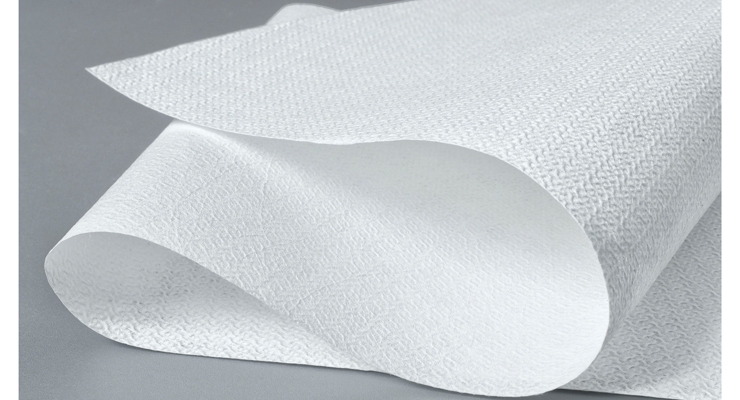
Dry Wipes Non Woven Fabric. Uses, Types and Benefits
Learn what dry wipes non woven fabric is, its types, materials, manufacturing process, applications,
25.12.2025
Read Article -
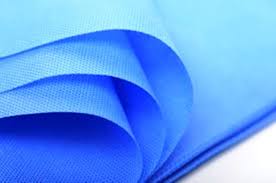
Top 10 Medical Nonwoven Fabric Exporters Trusted by Global Healthcare Brands
Discover the top medical nonwoven fabric exporters trusted worldwide. Explore quality, applications
16.12.2025
Read Article -
Cellulose Based Nonwoven Fabric | Eco Friendly Innovation
Explore the benefits of cellulose-based nonwoven fabric—biodegradable, soft, and sustainable. Idea
19.11.2025
Read Article -
Beautyworld Dubai: Discovering New Opportunities for Elixrr
Exploring innovative trends and partnerships at Beautyworld Dubai, uncovering exciting growth opport
07.11.2025
Read Article -
Green Nonwoven Technology: Sustainable Innovation in Nonwoven Fabrics
Learn how green nonwoven technology uses eco-friendly materials and energy-efficient manufacturing t
30.10.2025
Read Article -
Types of Nonwoven Fabric and Their Uses in 2025
Explore the 7 main types of nonwoven fabric—spunbond, meltblown, spunlace, and more. Learn how eac
28.10.2025
Read Article -
Biodegradable Nonwoven Fabric: The Future of Sustainable Textiles
Biodegradable nonwoven fabrics are reshaping industries with eco-friendly performance and natural de
28.10.2025
Read Article -
Best Non Woven Fabric Manufacturers in India (2025 Edition)
Discover the top 10 non woven fabric manufacturers in India. Explore eco-friendly, high-quality opti
28.10.2025
Read Article -
Top 10 Applications of Non-Woven Fabrics in 2025 — And Why the Market Is Booming
Top 10 Applications of Non-Woven Fabrics in 2025 — And Why the Market Is Booming
20.05.2025
Read Article -
Reinventing Wipes: How Sustainable Nonwovens Are Reshaping the Industry
Elixrr explores how next-generation sustainable nonwovens, from wet-laid spunlace to carded-pulp tec
21.10.2025
Read Article -
Woven Fabric Material Guide: Composition, Types & Common Applications
Explore woven fabric materials—learn their composition, major types, and everyday applications in
09.10.2025
Read Article -
Non Woven Polypropylene Fabric: Uses, Strengths & Comparison with Woven Fabric
Non woven polypropylene (PP) fabric has become one of the most widely used materials across industri
09.10.2025
Read Article -
What Is Knitted Woven Fabric? Types, Techniques & Benefits
Knitted woven fabric is a hybrid textile that blends the structural strength of woven fabrics with t
16.10.2025
Read Article -
Non Woven vs Woven Fabrics: Key Differences & When to Use Each
Non Woven vs Woven Fabrics: Key Differences & When to Use Each
18.09.2025
Read Article -
Non Woven Polypropylene Fabric: Uses, Strengths & Comparison with Woven Fabric
Non Woven Polypropylene Fabric: Uses, Strengths & Comparison with Woven Fabric
19.09.2025
Read Article -
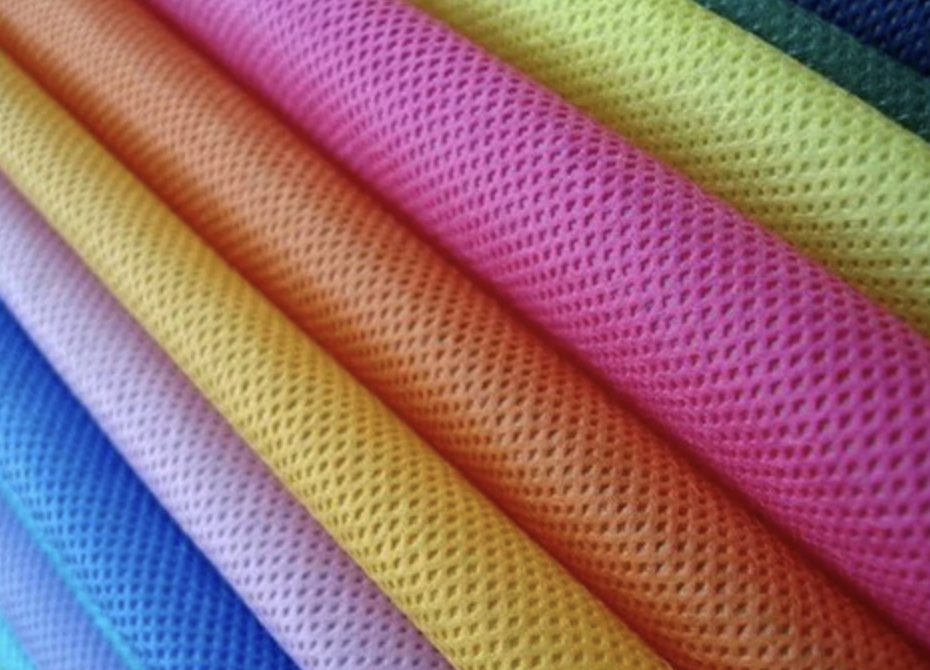
Spunbond Non Woven Fabric: How It’s Made and Where It’s Used
Explore the manufacturing process and applications of spunbond non woven fabric. Learn why it’s wi
11.09.2025
Read Article -
Polyester Non Woven Fabric: Benefits, Properties & Industrial Uses
Discover the benefits and industrial uses of polyester non woven fabric. Learn about its properties,
03.09.2025
Read Article -
What Is Non Woven Fabric? Definition, Manufacturing & Applications
Explore what non woven fabric is, how it’s made, and where it’s used. Learn about its unique pro
04.09.2025
Read Article -
Types of Nonwoven Fabric – A Complete Guide to Nonwoven Fabric
Learn about different types of nonwoven fabrics, their properties, manufacturing methods, and indust
20.05.2025
Read Article -
Redefining the Future of Wipes: Insights from WOW 2025
Elixrr Nonwovens shares key takeaways from WOW 2025, highlighting sustainable innovations, energy-ef
29.07.2025
Read Article -
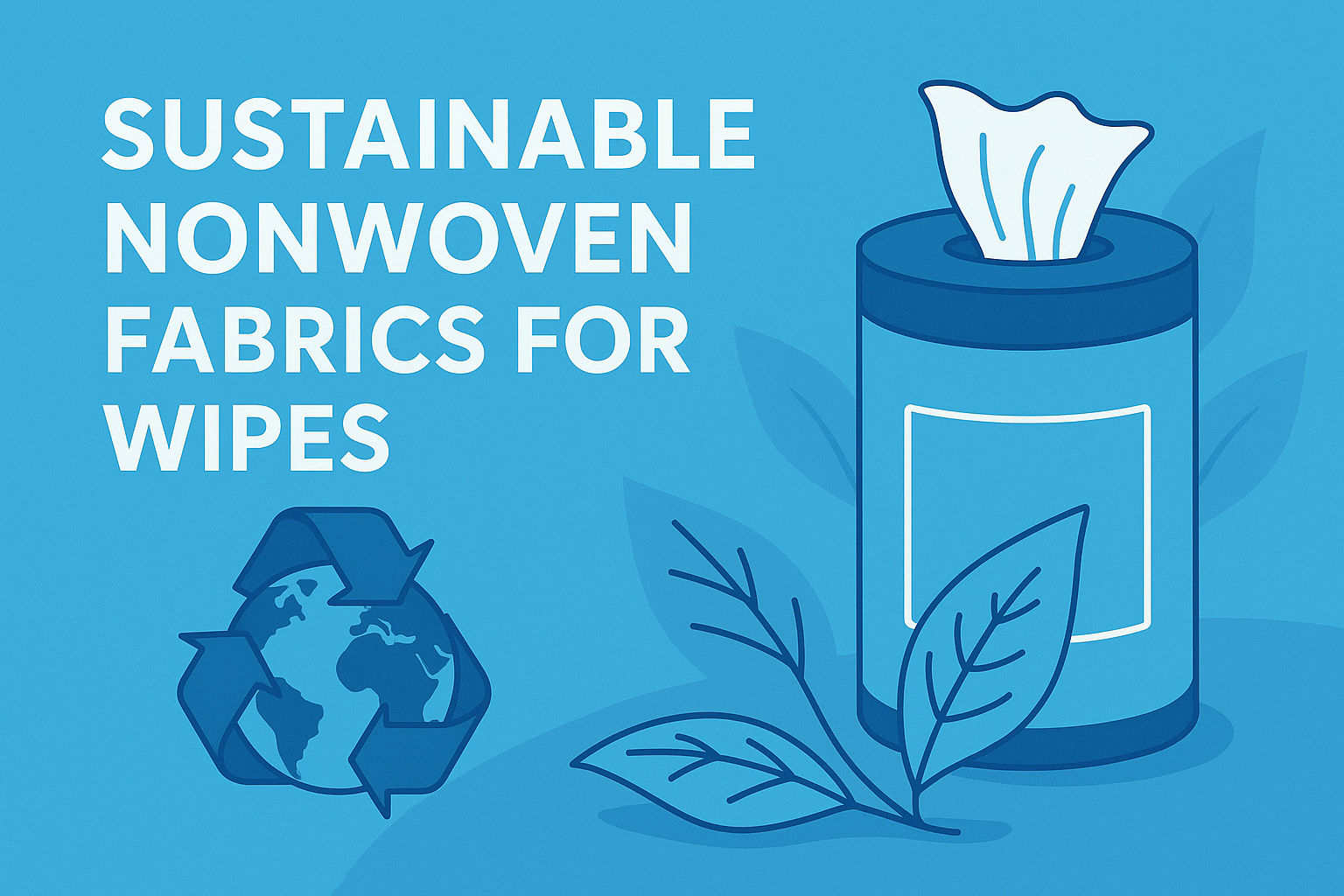
Sustainability is Elixrr’s Focus at Global Wipes Markets at Wow 2025
Visit the WOW conference and see our proprietary nonwoven wipes fabrics Enduraspun, Ecopun and Softs
03.07.2025
Read Article -
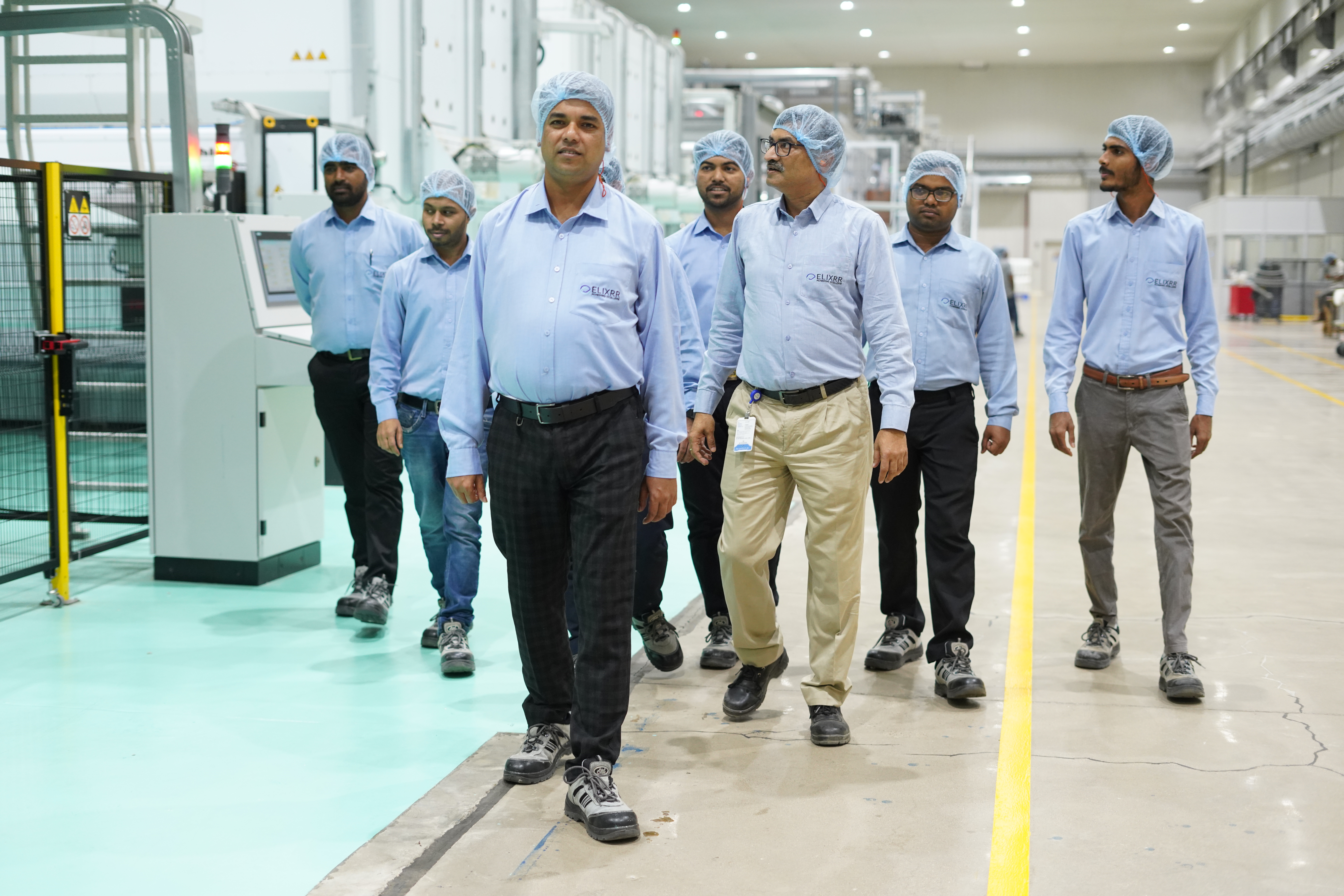
Inside Elixrr: A Conversation with Subir Barman on the Future of Nonwovens and Next-Gen Manufacturing
As the global demand for sustainable, high-performance materials accelerates, Elixrr Nonwovens conti
20.05.2025
Read Article -
Spunlace Nonwoven Fabrics: Explore Characteristics and Benefits
In a world where hygiene, safety, and softness intersect, material science has a quiet hero, spunlac
20.05.2025
Read Article -
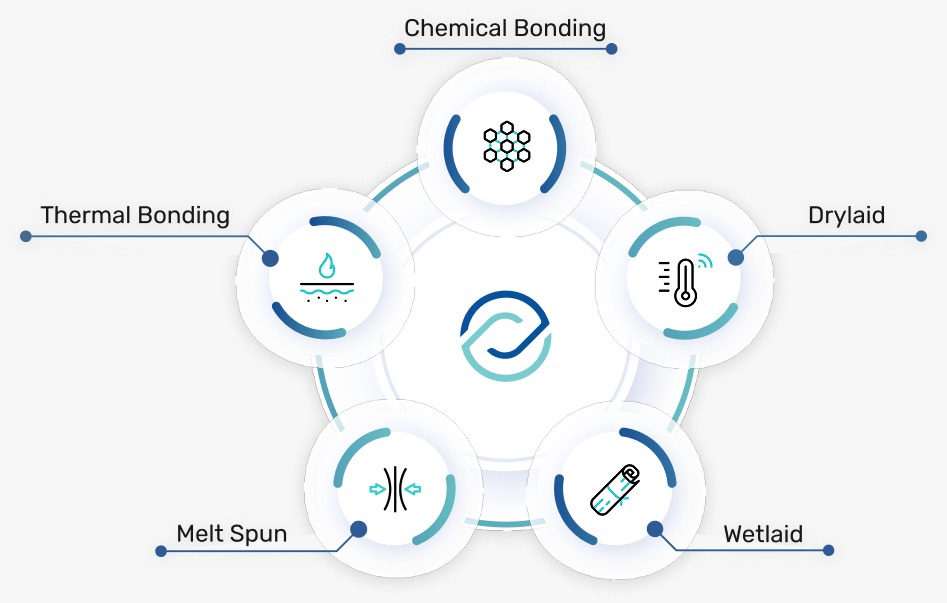
PentaTech™ by Elixrr Nonwovens: Pioneering the Future of High-Performance and Sustainable Nonwovens
Innovation in nonwoven materials isn’t optional anymore. It’s what drives progress. As industrie
07.05.2025
Read Article -
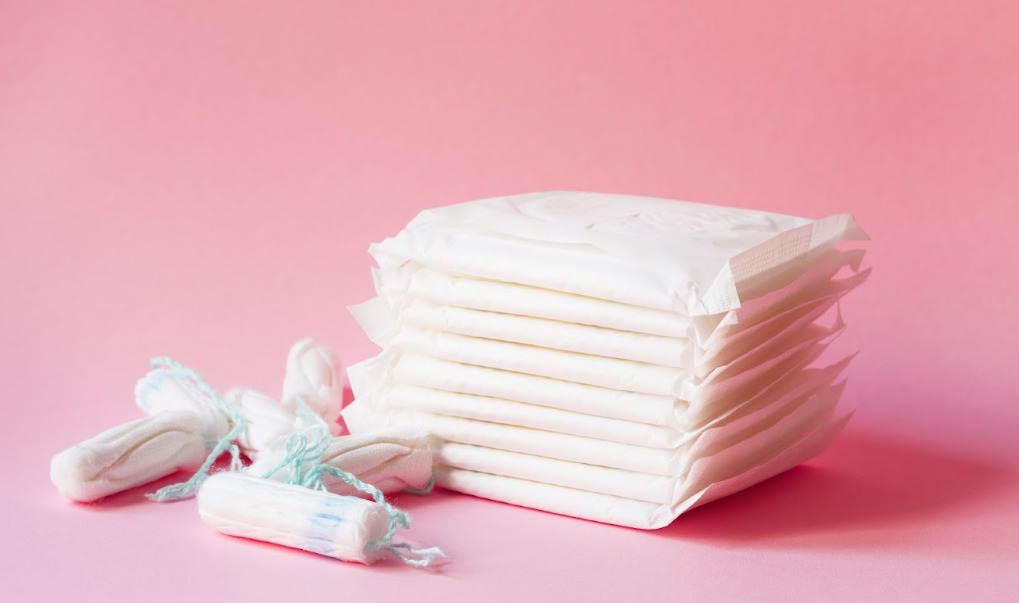
Is Non-Woven Fabric Biodegradable? Exploring the Eco-Friendliness of Non-Wovens
Every business is searching for environmentally appropriate substitutes as the globe moves towards s
02.05.2025
Read Article -
What Are Non Woven Fabrics Used For? Key Examples & Features
In an era defined by performance, precision, and sustainability, materials are no longer just passiv
28.04.2025
Read Article -
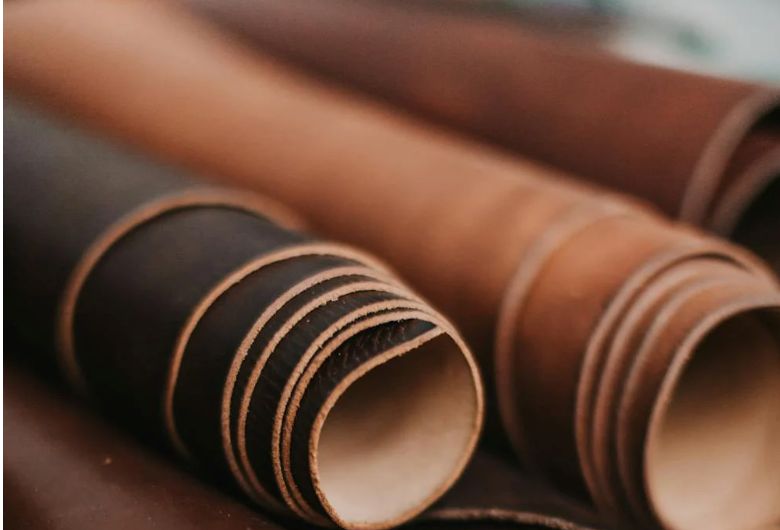
Is Leather a Non-Woven Fabric? Let’s Unravel the Truth!
Leather embodies luxury, durability, and style. However, in a society increasingly focused on novel
21.04.2025
Read Article -
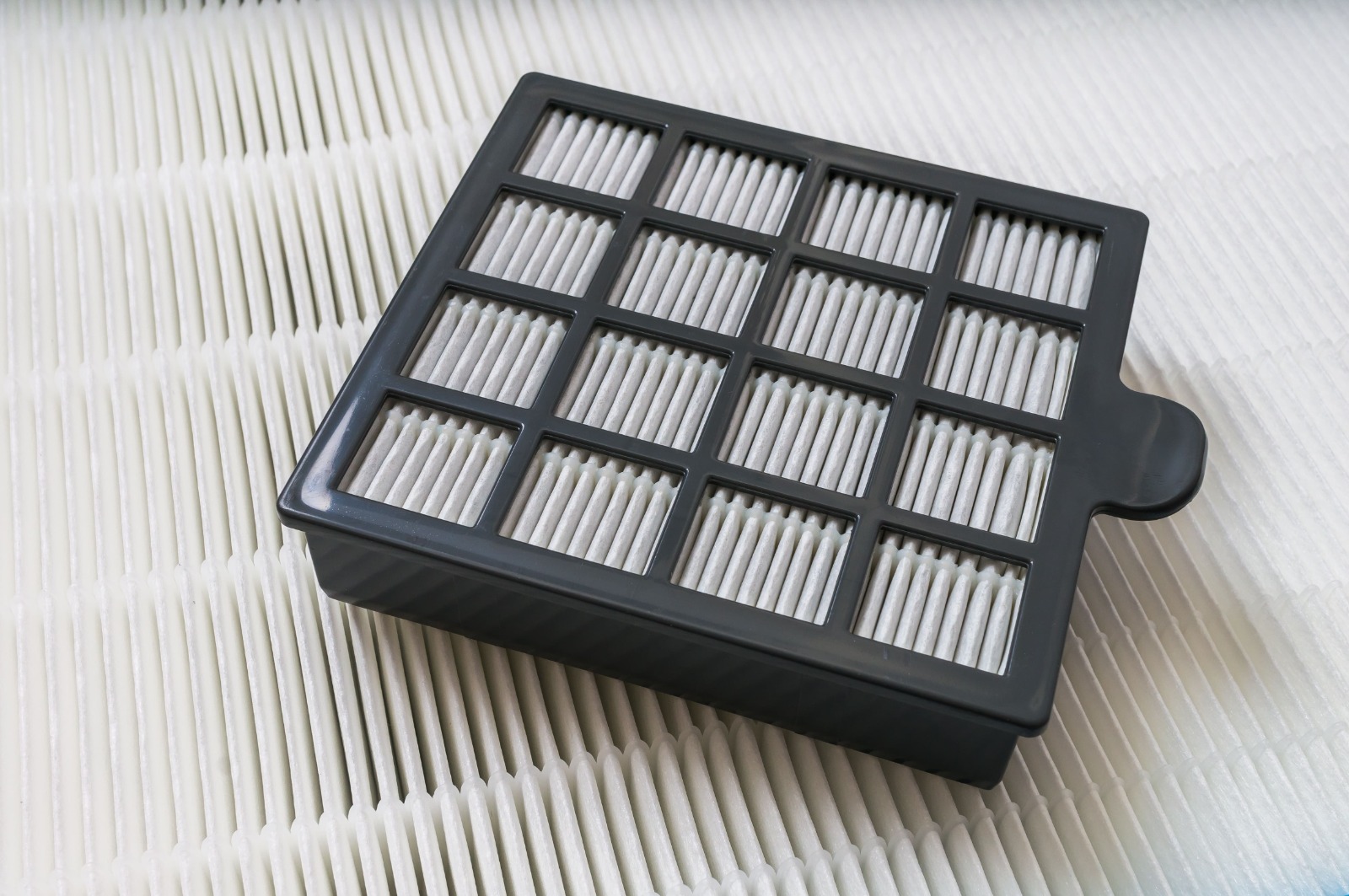
Can You Heat Press Non-Woven Fabric? A Complete Guide
The textile industry has embraced heat pressing. Adding colourful graphics to cloth banners or perso
18.04.2025
Read Article -
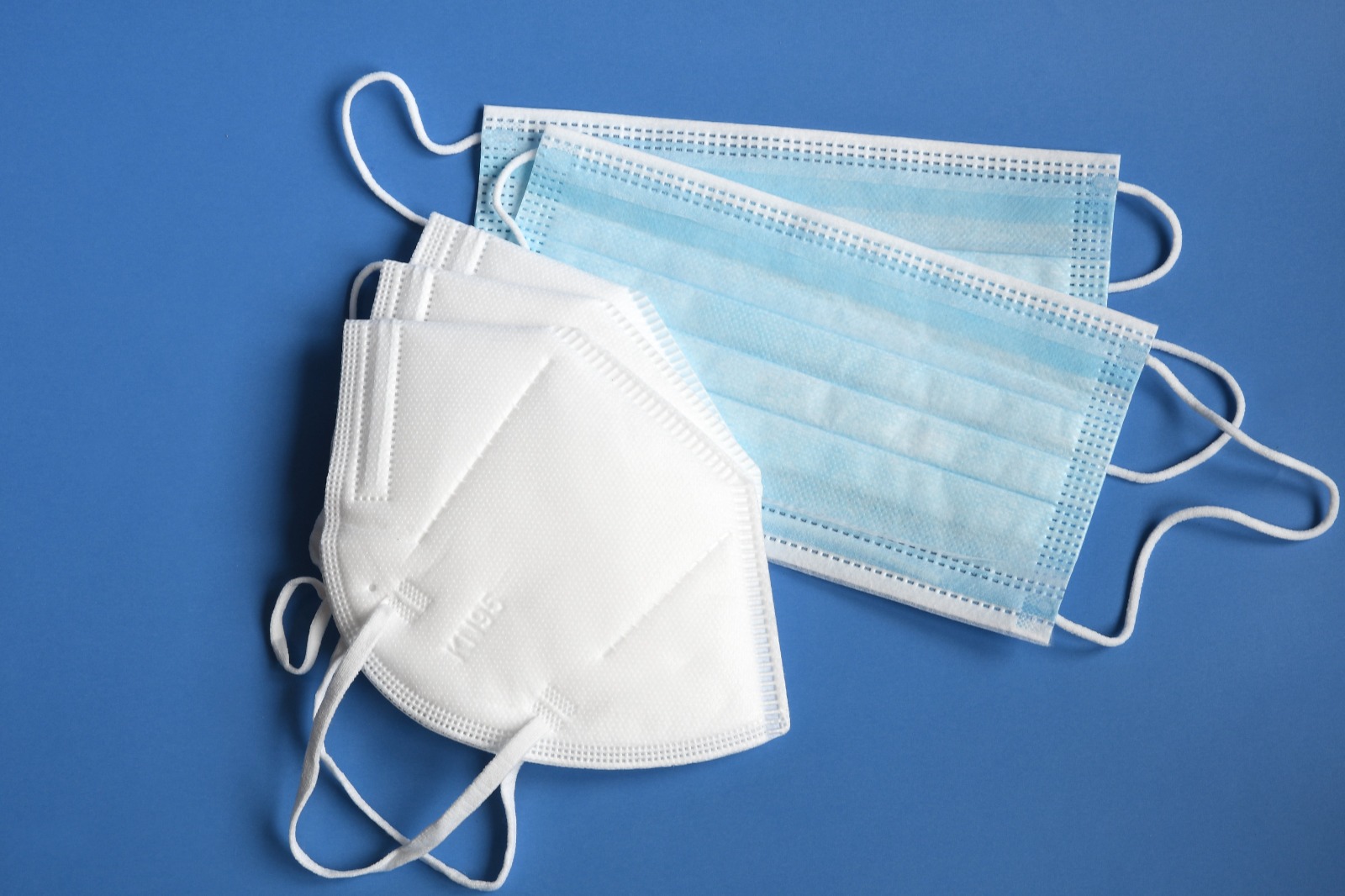
Can Non-Woven Fabric Be Washed? Let’s Unravel the Truth
Non-woven fabrics are used in a variety of applications, including medical masks, reusable shopping
14.04.2025
Read Article -

Non Woven Fabrics Vs Woven Fabrics: Choose the Right Fabric
If you have ever asked yourself why some materials are all about robustness while others are cutting
11.04.2025
Read Article -
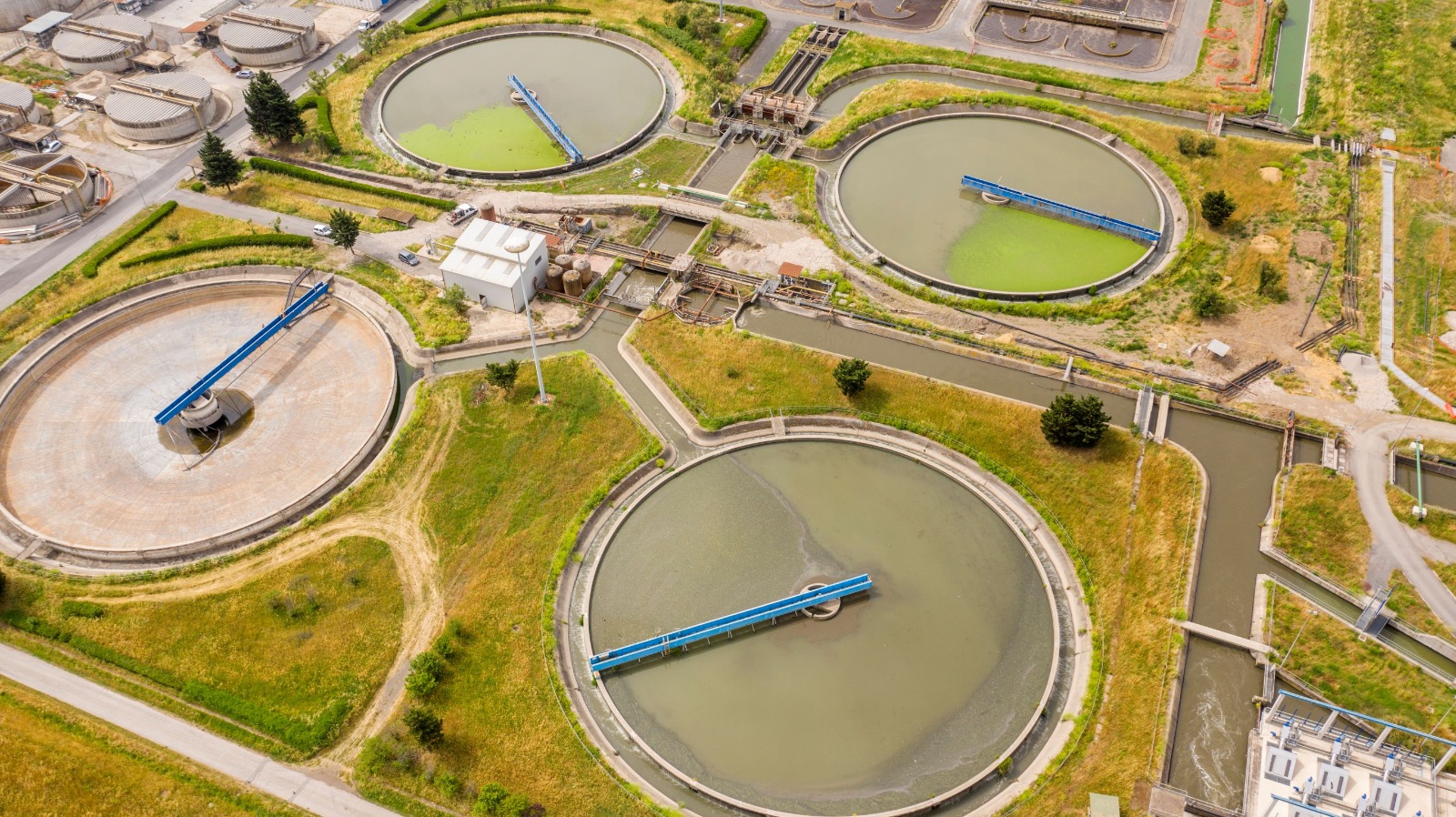
Top 10 Non-Woven Fabric Manufacturers in Europe
The non-woven fabric industry has grown significantly in Europe, driven by the demand for high-quali
27.06.2025
Read Article -
Non-Woven Fabric: Moisture Absorption, Properties & Uses
When it comes to fabric selection, understanding the properties of different materials is essential,
04.04.2025
Read Article -
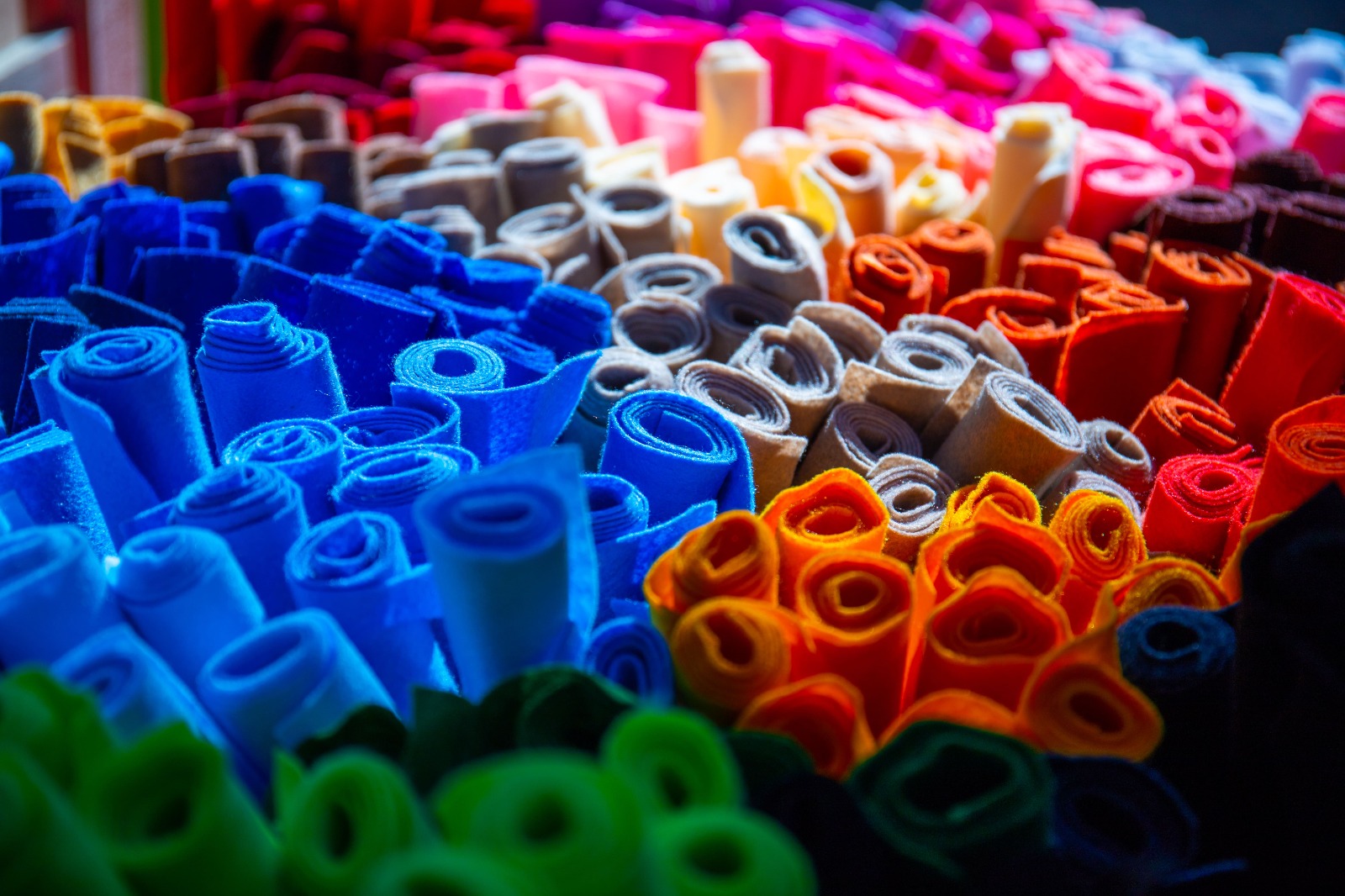
Types of Fabric: A Beginner Comprehensive Fabric Guide | 2025
Fabrics are the foundation of countless industries and everyday life, influencing everything from th
31.03.2025
Read Article -
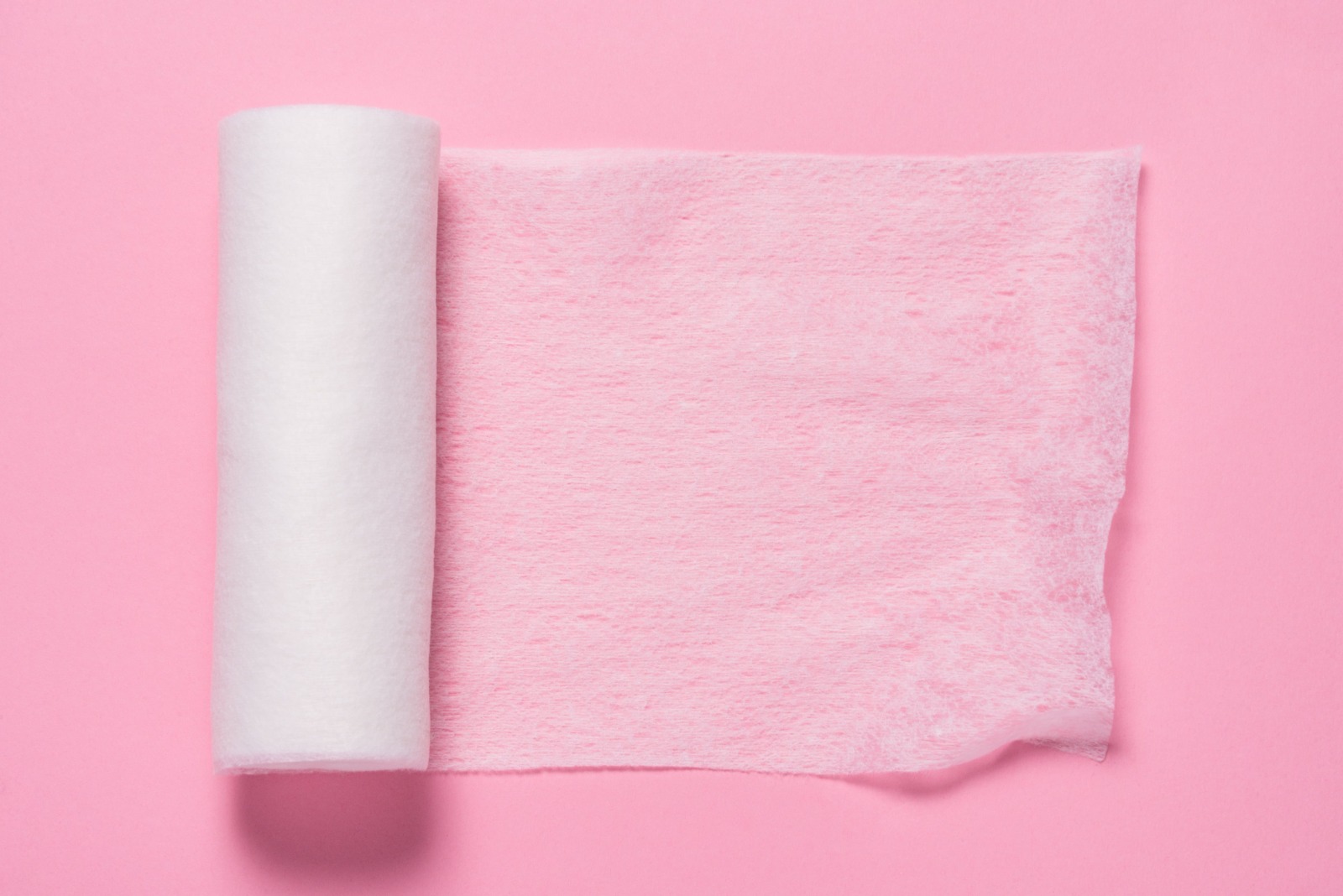
What are Non-Woven fabrics?
India has always had a rich relationship with textiles. From the fine muslin that adorned royalty to
28.03.2025
Read Article
-
Need nonwoven solutions for your application?
Talk to our team about custom fabrics, sustainability, and product development tailored to your industry.
Explore Recent Blogs
Non Woven Fabric Textile Applications Across Industries: Comprehensive Use Cases
Nonwoven fabrics are widely used across industries for their versatility, cost-effectiveness, and ta
Read More
Global Nonwoven Market Trends and Growth Opportunities: 2026 Outlook
The global nonwoven market is expanding rapidly due to strong demand from hygiene, medical, filtrati
Read More
Difference Between Woven and Non-Woven Fabrics: Key Structural, Performance, and Application Differences
Woven and non-woven fabrics differ in how they are made, how they perform, and where they are used.
Read More
What Are the Uses of Nonwoven Fabric? Practical Applications and Industry Examples
Nonwoven fabrics are versatile materials used across healthcare, hygiene, filtration, automotive, ag
Read More

Weave Your Success with Our Revolutionary Fabrics
Power your business with Elixrr's cutting-edge nonwoven fabric solutions. Eco-friendly, customizable, and engineered for excellence—because innovation starts with the right foundation.

If you are searching for a non woven fabric manufacturer, you are usually not just buying fabric. You are buying consistency, compliance, and the ability to hit performance specs at scale. That is true whether you need spunbond for hygiene, spunlace for wipes, meltblown for filtration, or technical nonwovens for medical and industrial use.
What is a non woven fabric manufacturer
A non woven fabric manufacturer produces sheet or web structures made from fibers bonded together by mechanical, thermal, chemical, or hydroentanglement processes, rather than weaving or knitting. These materials are used across hygiene, medical disposables, wipes, filtration, automotive, geotextiles, packaging, and more.
The practical takeaway is simple. Different manufacturing technologies produce very different outcomes. So the “best” manufacturer depends on your end use, compliance needs, and volume requirements.
How to evaluate a non woven fabric manufacturer
1) Manufacturing technology match
Ask what lines they run and what they specialise in.
For example, Fitesa highlights a broad mix of technologies including spunbond, spunmelt, meltblown, carded, airlaid, films, and elastics, which matters if you need multi-layer performance options. Fitesa
2) Consistency and quality controls
Nonwovens fail quietly. A roll can look fine and still cause downstream defects.
Ask about:
3) Compliance and documentation
If your end use is medical or hygiene, compliance is not optional. Ask for:
4) Capacity, lead times, and supply reliability
A manufacturer can be technically strong and still not right for you if:
5) Sustainability requirements
Many buyers now require proof, not promises.
Ask about:
10 non woven fabric manufacturers to shortlist
1) Elixrr Nonwovens
Elixrr positions itself around eco-friendly, advanced nonwoven fabrics for applications such as medical and personal care, with an emphasis on technology-driven manufacturing. ANDRITZ+1
Why shortlist them:
2) Ahlstrom
Ahlstrom is a global materials company focused on fiber-based specialty materials, including nonwovens used across multiple segments. Ahlstrom+1
Why shortlist:
3) Freudenberg Performance Materials
Freudenberg is repeatedly listed among the major global players in nonwovens. MarketsandMarkets+1
Why shortlist:
4) Berry Global
Berry Global is consistently cited as a major nonwoven market player with a significant global presence. MarketsandMarkets+1
Why shortlist:
5) Fitesa
Fitesa focuses heavily on hygiene and healthcare markets and publicly details its breadth of nonwoven technologies. Fitesa+1
Why shortlist:
6) Suominen
Suominen is commonly listed among major companies in nonwovens in market and competitor lists. Mordor Intelligence+1
Why shortlist:
7) PFNonwovens
PFNonwovens appears in multiple market player lists for nonwovens. Mordor Intelligence+1
Why shortlist:
8) DuPont
DuPont is frequently listed among key nonwoven fabric market participants. Mordor Intelligence+1
Why shortlist:
9) Johns Manville
Johns Manville is included in nonwoven company lists in the US market context. Mordor Intelligence
Why shortlist:
10) Welspun
Welspun markets spunlace nonwoven capability for applications including wipes, filtration, and apparel. Welspun Living+1
Why shortlist:
Questions to ask before you sign a supply agreement
Use these to quickly separate “looks good online” from “works in production”.
How to pick the right manufacturer for your exact use case
If you are making wipes (baby, personal care, surface wipes)
Prioritise spunlace experience, low linting, skin-safe compliance, and consistent absorbency.
If you are in medical disposables
Prioritise documentation, compliance readiness, stable barrier properties, and strict traceability.
If you are in filtration or industrial
Prioritise uniformity, tensile strength, and functional layer capability like meltblown.
If you are building a brand around sustainability
Prioritise real proof: material inputs, certifications, verified testing, and consistent batch performance.
FAQs
How do I find a non woven fabric manufacturer near me?
Start with your required technology (spunlace, spunbond, meltblown), then filter manufacturers by region, compliance, and MOQ. If they cannot share specs, COA samples, and lead times quickly, move on.
What is the minimum order quantity for nonwoven fabric?
It varies by technology and product. Spunbond programs can differ from spunlace and specialty lines. Always ask for MOQ by GSM and width, not a generic number.
Which nonwoven is best for wipes?
Spunlace is commonly used for wipes because it can balance softness, strength, and absorbency. The right choice still depends on lotion compatibility and end-use performance needs.
What should I request in the first email to a manufacturer?
Share your end use, required technology, GSM range, width, monthly volume, compliance requirements, destination country, and whether you need samples before a pilot run.