


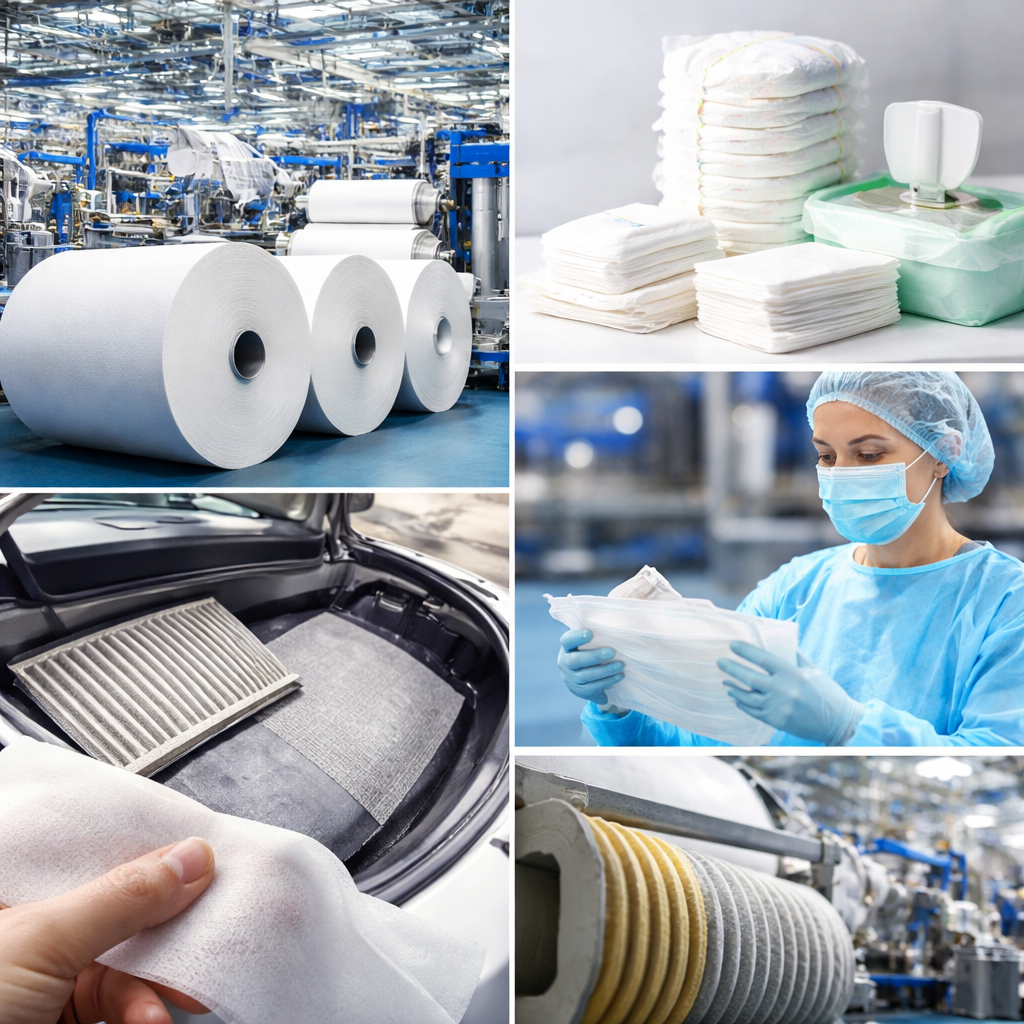
Global Nonwoven Market Trends and Growth Opportunities: 2026 Outlook
The global nonwoven market is expanding rapidly due to strong demand from hygiene, medical, filtration, and automotive industries. Advances in spunbond, meltblown, airlaid, and biodegradable materials are transforming product performance and sustainability.
-
Recent Post
-
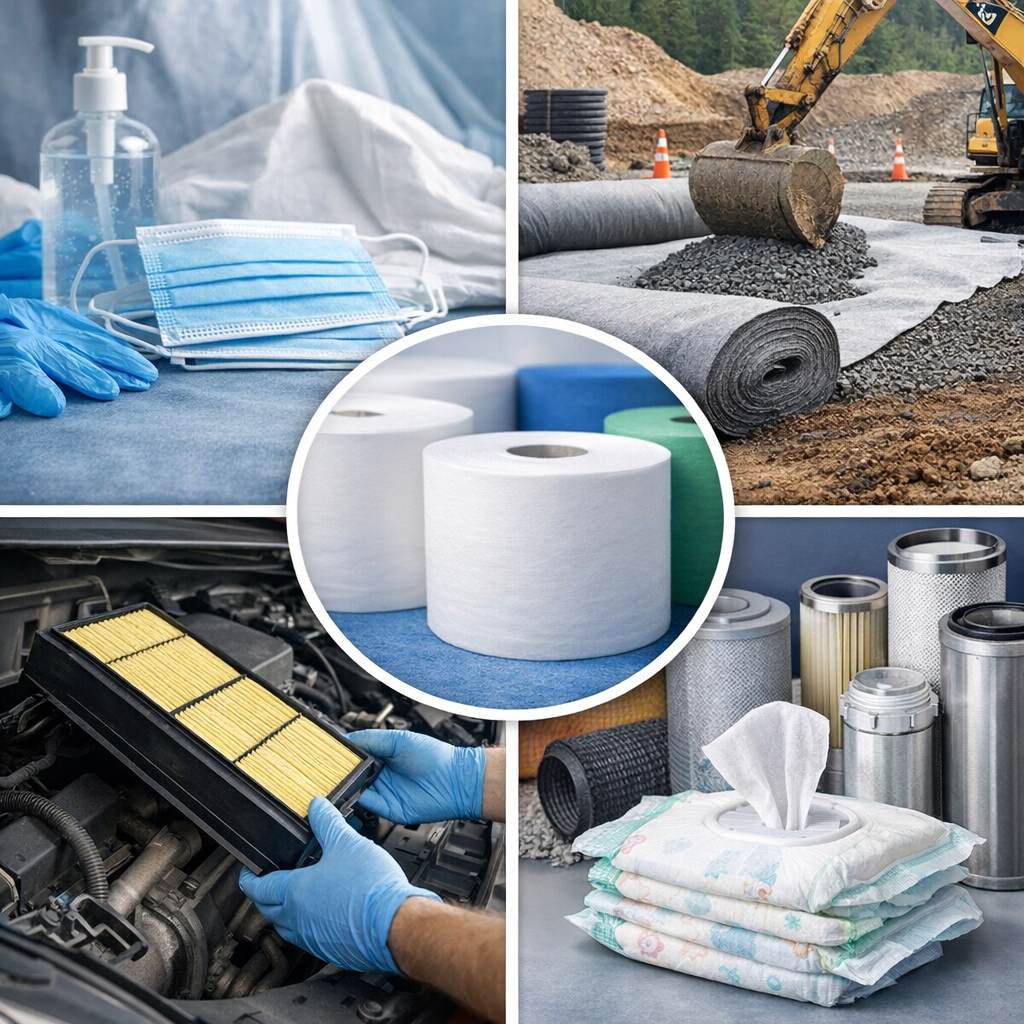
Non Woven Fabric Textile Applications Across Industries: Comprehensive Use Cases
Nonwoven fabrics are widely used across industries for their versatility, cost-effectiveness, and ta
20.06.2026
Read Article -

Difference Between Woven and Non-Woven Fabrics: Key Structural, Performance, and Application Differences
Woven and non-woven fabrics differ in how they are made, how they perform, and where they are used.
05.03.2026
Read Article -
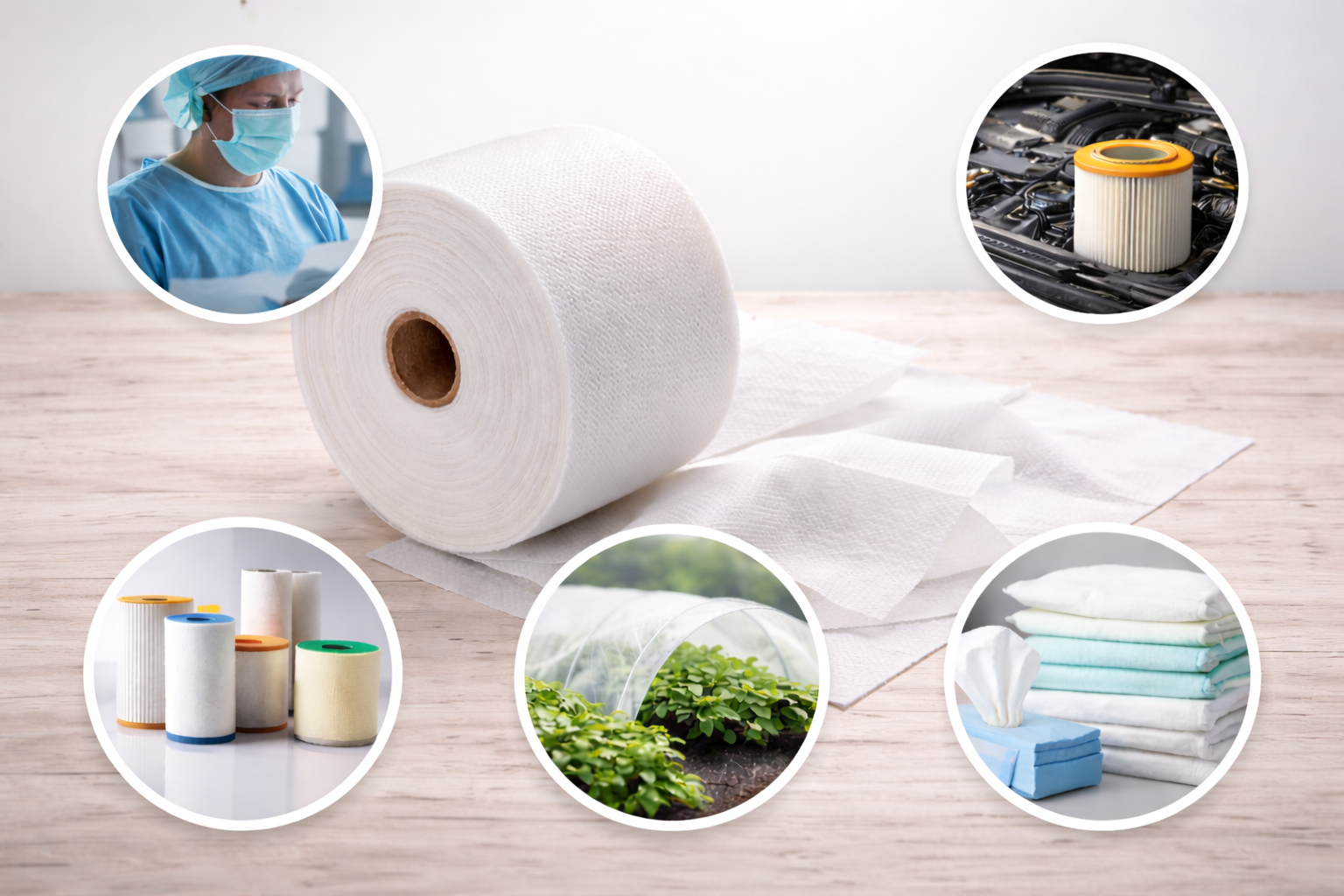
What Are the Uses of Nonwoven Fabric? Practical Applications and Industry Examples
Nonwoven fabrics are versatile materials used across healthcare, hygiene, filtration, automotive, ag
06.02.2026
Read Article -

Types of Non-Woven and Their Uses: Applications, Manufacturing Methods, and Industry Examples
Nonwoven fabrics are engineered materials made by bonding fibres rather than weaving them together.
06.02.2026
Read Article -

What Are Biodegradable Materials and Why Do They Matter?
What biodegradable materials are, how they work, real-world examples, and why they are becoming non-
09.01.2026
Read Article -
What is Recyclable Nonwoven Fabric and Why is it Important?
That’s where recyclable nonwoven fabric comes in. It addresses a real problem. High-volume disposa
14.01.2026
Read Article -
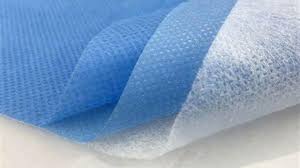
Uses of Non Woven Fabric: 15 Practical Applications
Explore the top uses of non woven fabric across medical, hygiene, filtration, automotive, agricultur
11.12.2025
Read Article -
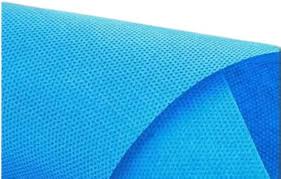
Why Use Nonwovens in Medical and Healthcare?
Nonwovens are used in medical and healthcare because they solve the real constraints of modern care:
15.12.2025
Read Article -
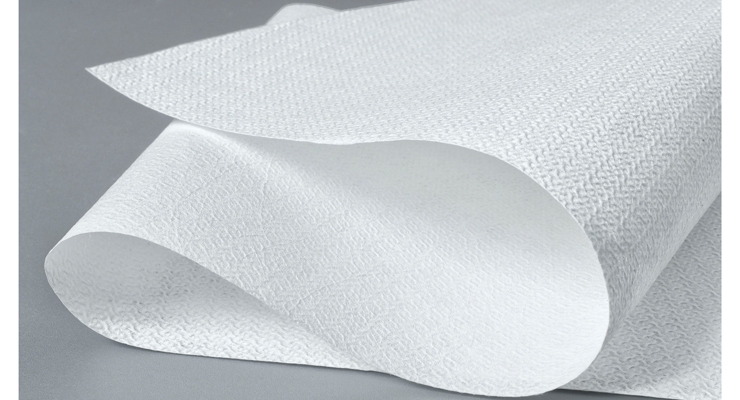
Dry Wipes Non Woven Fabric. Uses, Types and Benefits
Learn what dry wipes non woven fabric is, its types, materials, manufacturing process, applications,
25.12.2025
Read Article -
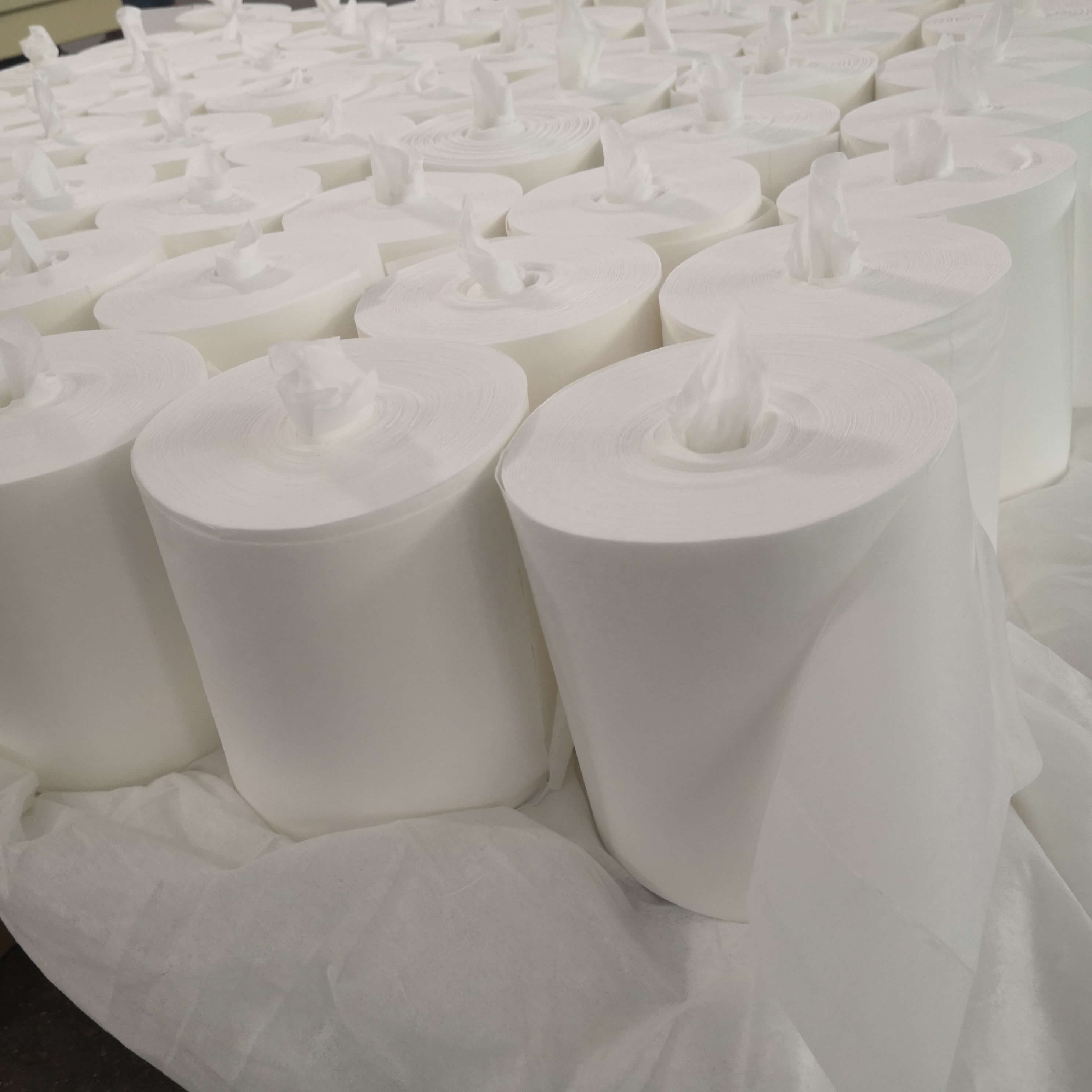
Non Woven Fabric Manufacturer | Top Suppliers & Uses Guide
Looking for a trusted non woven fabric manufacturer? Explore leading global suppliers, including Eli
24.12.2025
Read Article -
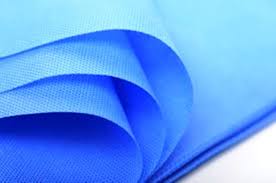
Top 10 Medical Nonwoven Fabric Exporters Trusted by Global Healthcare Brands
Discover the top medical nonwoven fabric exporters trusted worldwide. Explore quality, applications
16.12.2025
Read Article -
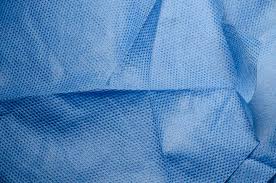
Cellulose Based Nonwoven Fabric | Eco Friendly Innovation
Explore the benefits of cellulose-based nonwoven fabric—biodegradable, soft, and sustainable. Idea
19.11.2025
Read Article -
Beautyworld Dubai: Discovering New Opportunities for Elixrr
Exploring innovative trends and partnerships at Beautyworld Dubai, uncovering exciting growth opport
07.11.2025
Read Article -
Green Nonwoven Technology: Sustainable Innovation in Nonwoven Fabrics
Learn how green nonwoven technology uses eco-friendly materials and energy-efficient manufacturing t
30.10.2025
Read Article -
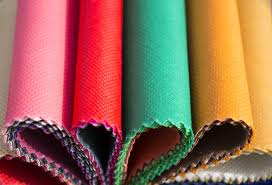
Types of Nonwoven Fabric and Their Uses in 2025
Explore the 7 main types of nonwoven fabric—spunbond, meltblown, spunlace, and more. Learn how eac
28.10.2025
Read Article -
Biodegradable Nonwoven Fabric: The Future of Sustainable Textiles
Biodegradable nonwoven fabrics are reshaping industries with eco-friendly performance and natural de
28.10.2025
Read Article -
Best Non Woven Fabric Manufacturers in India (2025 Edition)
Discover the top 10 non woven fabric manufacturers in India. Explore eco-friendly, high-quality opti
28.10.2025
Read Article -
Top 10 Applications of Non-Woven Fabrics in 2025 — And Why the Market Is Booming
Top 10 Applications of Non-Woven Fabrics in 2025 — And Why the Market Is Booming
20.05.2025
Read Article -
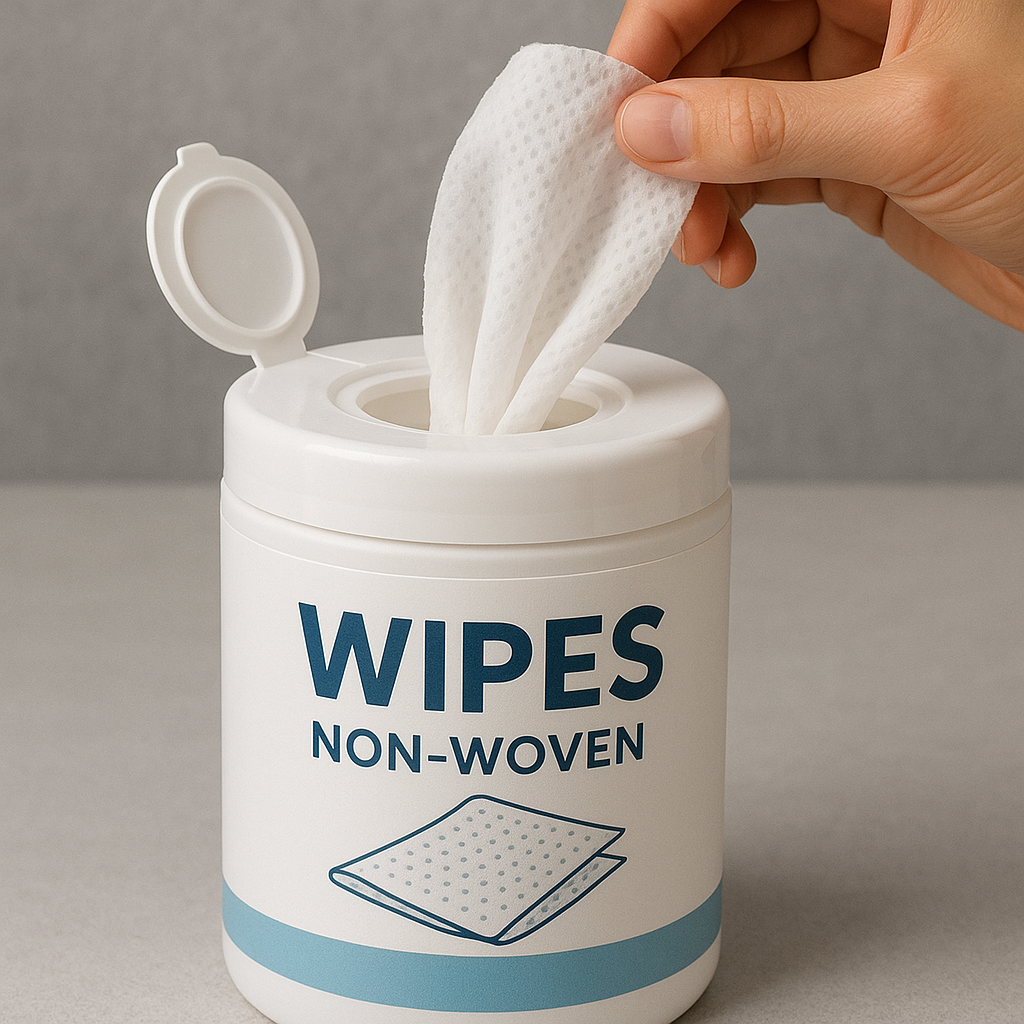
Reinventing Wipes: How Sustainable Nonwovens Are Reshaping the Industry
Elixrr explores how next-generation sustainable nonwovens, from wet-laid spunlace to carded-pulp tec
21.10.2025
Read Article -
Woven Fabric Material Guide: Composition, Types & Common Applications
Explore woven fabric materials—learn their composition, major types, and everyday applications in
09.10.2025
Read Article -
Non Woven Polypropylene Fabric: Uses, Strengths & Comparison with Woven Fabric
Non woven polypropylene (PP) fabric has become one of the most widely used materials across industri
09.10.2025
Read Article -
What Is Knitted Woven Fabric? Types, Techniques & Benefits
Knitted woven fabric is a hybrid textile that blends the structural strength of woven fabrics with t
16.10.2025
Read Article -
Non Woven vs Woven Fabrics: Key Differences & When to Use Each
Non Woven vs Woven Fabrics: Key Differences & When to Use Each
18.09.2025
Read Article -
Non Woven Polypropylene Fabric: Uses, Strengths & Comparison with Woven Fabric
Non Woven Polypropylene Fabric: Uses, Strengths & Comparison with Woven Fabric
19.09.2025
Read Article -
Spunbond Non Woven Fabric: How It’s Made and Where It’s Used
Explore the manufacturing process and applications of spunbond non woven fabric. Learn why it’s wi
11.09.2025
Read Article -
Polyester Non Woven Fabric: Benefits, Properties & Industrial Uses
Discover the benefits and industrial uses of polyester non woven fabric. Learn about its properties,
03.09.2025
Read Article -
What Is Non Woven Fabric? Definition, Manufacturing & Applications
Explore what non woven fabric is, how it’s made, and where it’s used. Learn about its unique pro
04.09.2025
Read Article -
Types of Nonwoven Fabric – A Complete Guide to Nonwoven Fabric
Learn about different types of nonwoven fabrics, their properties, manufacturing methods, and indust
20.05.2025
Read Article -
Redefining the Future of Wipes: Insights from WOW 2025
Elixrr Nonwovens shares key takeaways from WOW 2025, highlighting sustainable innovations, energy-ef
29.07.2025
Read Article -
Sustainability is Elixrr’s Focus at Global Wipes Markets at Wow 2025
Visit the WOW conference and see our proprietary nonwoven wipes fabrics Enduraspun, Ecopun and Softs
03.07.2025
Read Article -
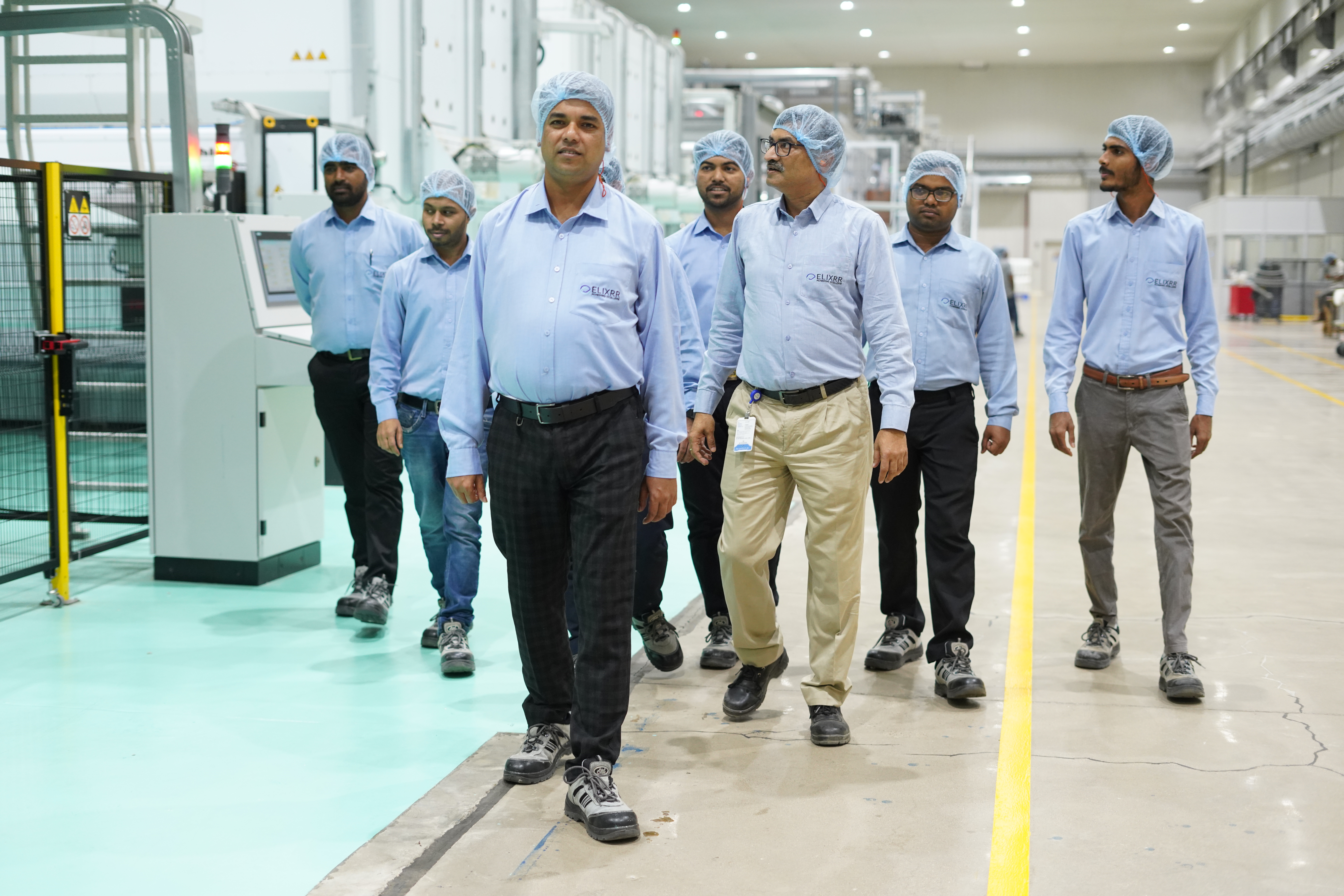
Inside Elixrr: A Conversation with Subir Barman on the Future of Nonwovens and Next-Gen Manufacturing
As the global demand for sustainable, high-performance materials accelerates, Elixrr Nonwovens conti
20.05.2025
Read Article -

Spunlace Nonwoven Fabrics: Explore Characteristics and Benefits
In a world where hygiene, safety, and softness intersect, material science has a quiet hero, spunlac
20.05.2025
Read Article -
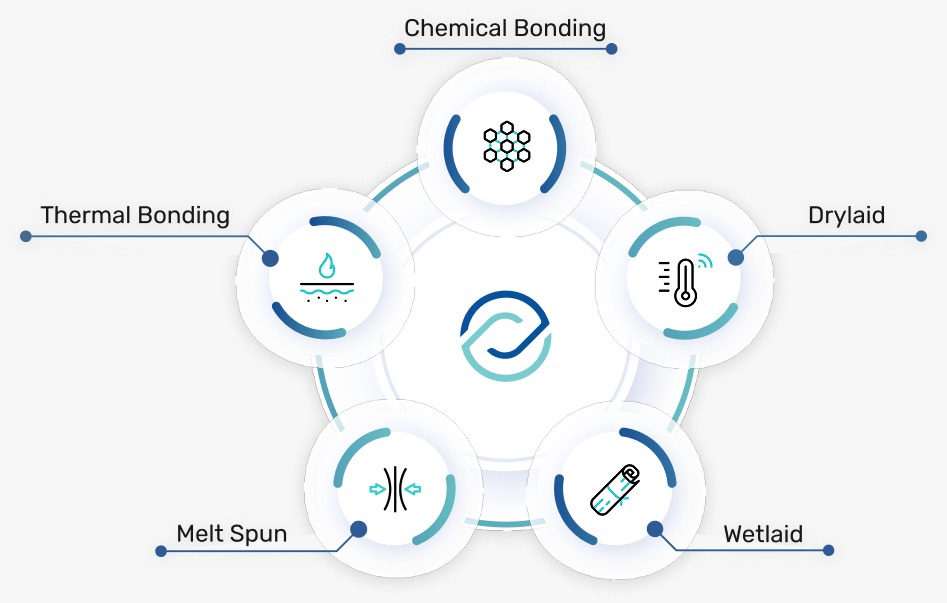
PentaTech™ by Elixrr Nonwovens: Pioneering the Future of High-Performance and Sustainable Nonwovens
Innovation in nonwoven materials isn’t optional anymore. It’s what drives progress. As industrie
07.05.2025
Read Article -
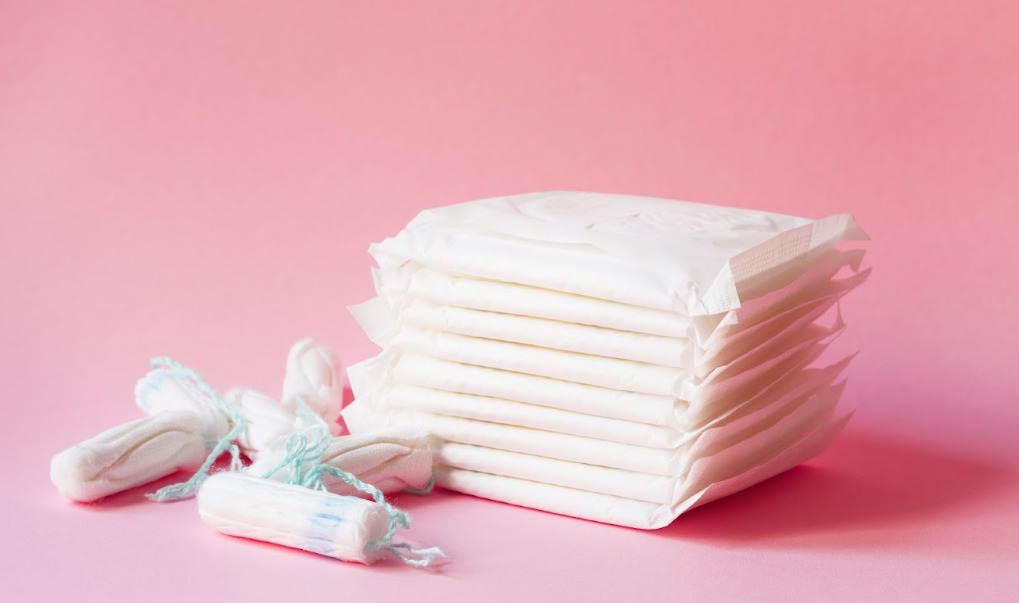
Is Non-Woven Fabric Biodegradable? Exploring the Eco-Friendliness of Non-Wovens
Every business is searching for environmentally appropriate substitutes as the globe moves towards s
02.05.2025
Read Article -

What Are Non Woven Fabrics Used For? Key Examples & Features
In an era defined by performance, precision, and sustainability, materials are no longer just passiv
28.04.2025
Read Article -
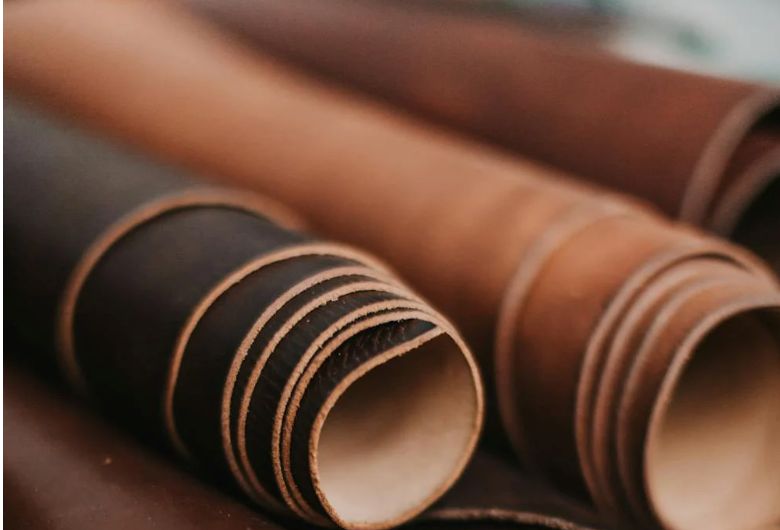
Is Leather a Non-Woven Fabric? Let’s Unravel the Truth!
Leather embodies luxury, durability, and style. However, in a society increasingly focused on novel
21.04.2025
Read Article -
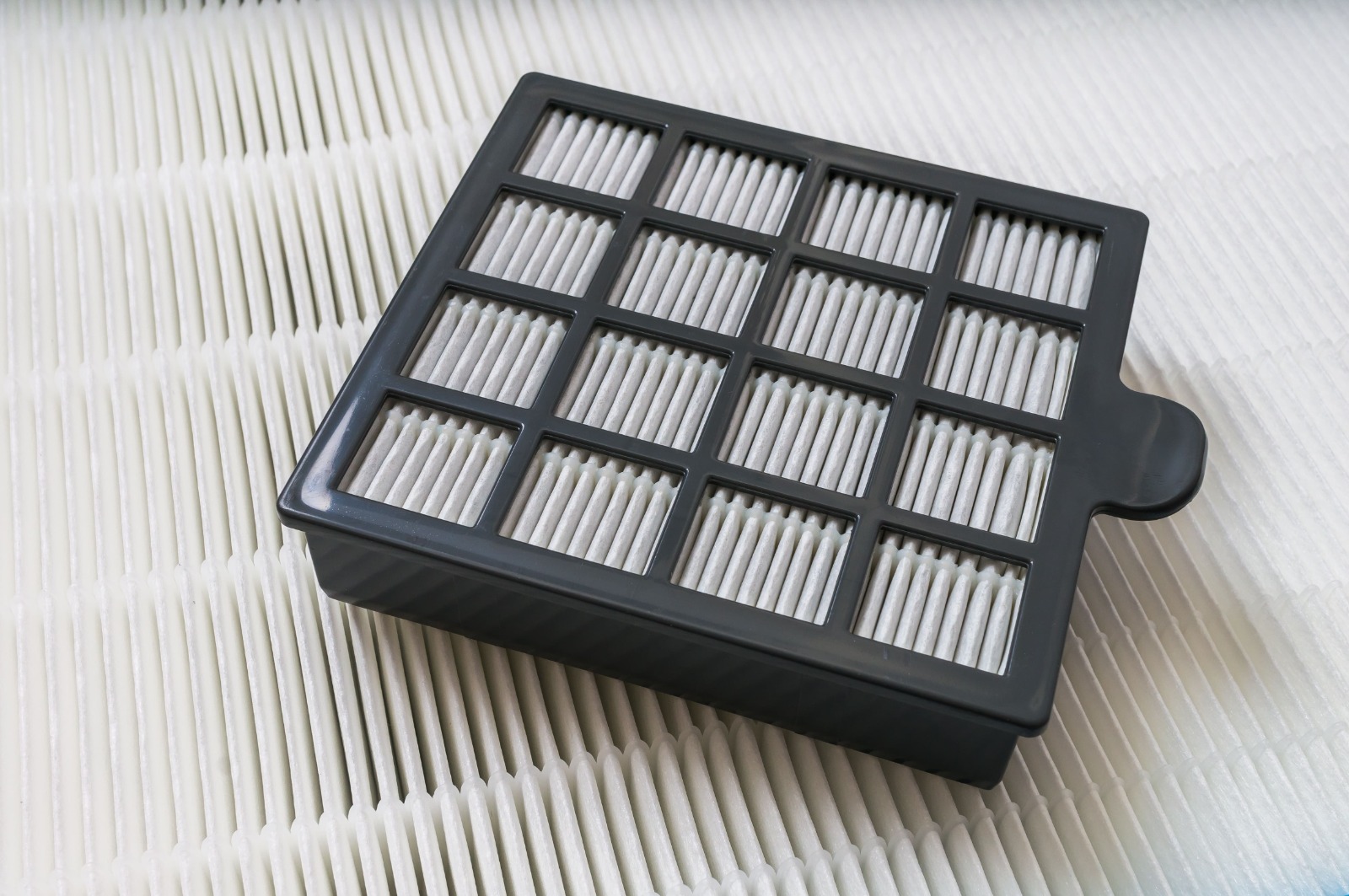
Can You Heat Press Non-Woven Fabric? A Complete Guide
The textile industry has embraced heat pressing. Adding colourful graphics to cloth banners or perso
18.04.2025
Read Article -
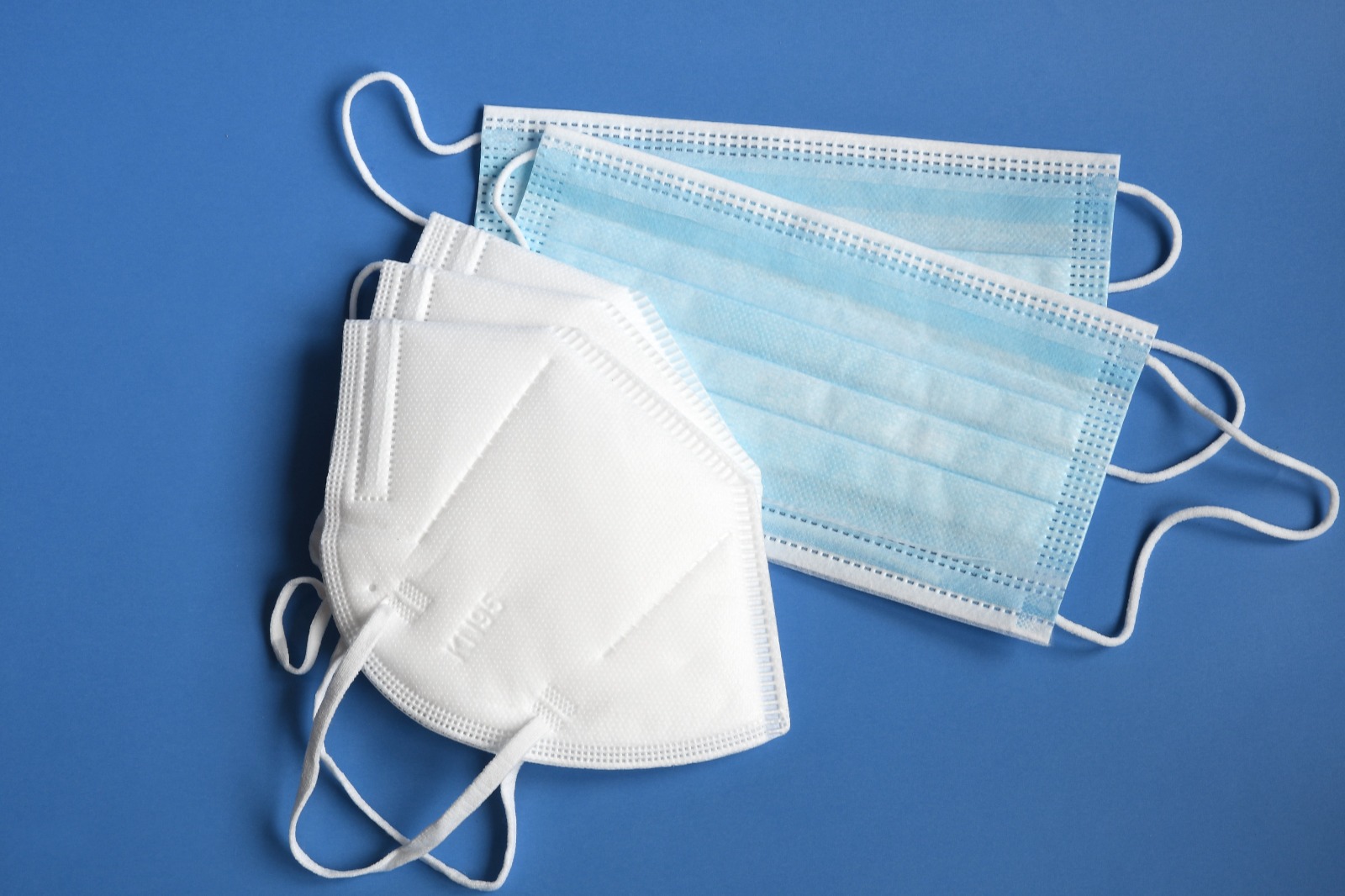
Can Non-Woven Fabric Be Washed? Let’s Unravel the Truth
Non-woven fabrics are used in a variety of applications, including medical masks, reusable shopping
14.04.2025
Read Article -

Non Woven Fabrics Vs Woven Fabrics: Choose the Right Fabric
If you have ever asked yourself why some materials are all about robustness while others are cutting
11.04.2025
Read Article -

Top 10 Non-Woven Fabric Manufacturers in Europe
The non-woven fabric industry has grown significantly in Europe, driven by the demand for high-quali
27.06.2025
Read Article -

Non-Woven Fabric: Moisture Absorption, Properties & Uses
When it comes to fabric selection, understanding the properties of different materials is essential,
04.04.2025
Read Article -
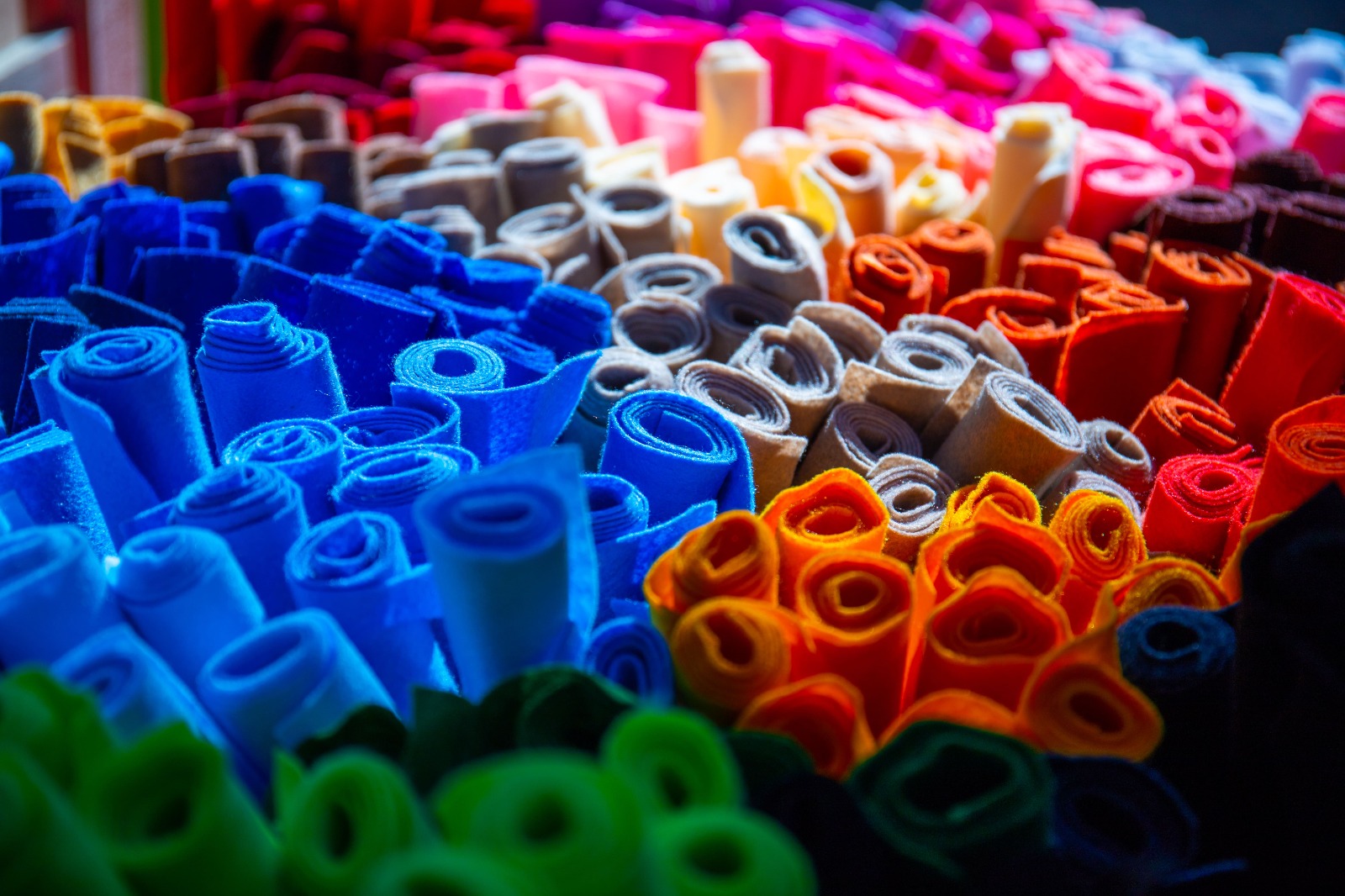
Types of Fabric: A Beginner Comprehensive Fabric Guide | 2025
Fabrics are the foundation of countless industries and everyday life, influencing everything from th
31.03.2025
Read Article -
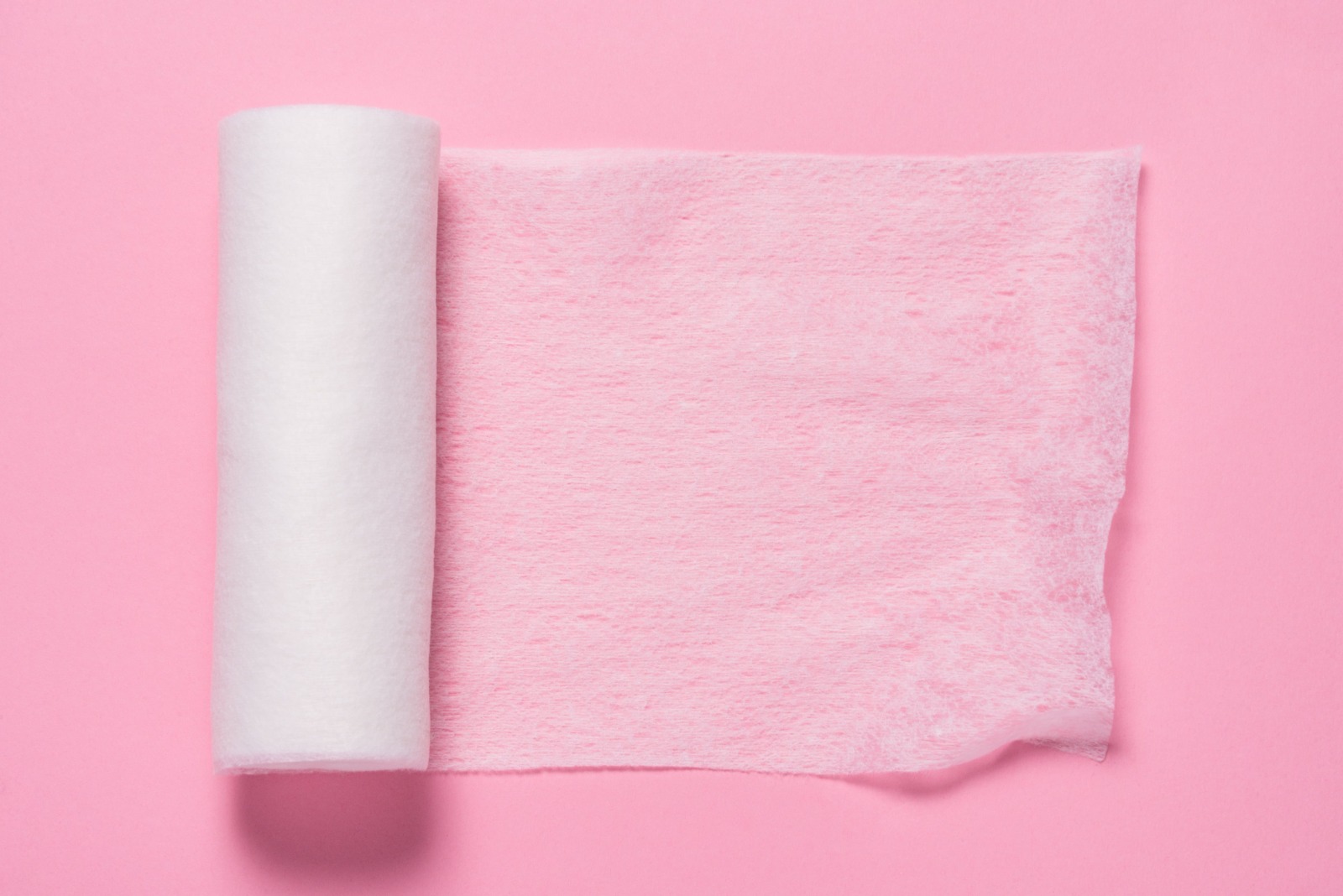
What are Non-Woven fabrics?
India has always had a rich relationship with textiles. From the fine muslin that adorned royalty to
28.03.2025
Read Article
-
Need nonwoven solutions for your application?
Talk to our team about custom fabrics, sustainability, and product development tailored to your industry.
Frequently Asked Questions
Know everything — be it our products, our process, or why nonwovens are so cool.
What are the driving factors for growth in the nonwoven fabrics market?
Rising demand in hygiene and medical products drives much of the market growth. You can see strong consumption for diapers, wipes, surgical masks, and gowns.
Automotive and filtration needs add steady industrial demand, especially for cabin air filters and liquid filtration. Improvements in production scale and lower raw material costs also support expansion.
How have the applications for nonwoven materials expanded in recent years?
Hygiene and medical uses remain large, but industrial and technical uses have grown. You now find nonwovens in automotive interiors, insulation, and liquid/gas filtration.
Consumer goods use has broadened into wipes, packaging, and disposable apparel. The shift toward single-use medical items after the pandemic increased volumes and faster innovation cycles.
What impact have environmental concerns had on the development of the nonwoven market?
Environmental pressure pushed suppliers to develop recyclable and bio-based nonwovens. You will see more products marketed as compostable or made from recycled polymers.
Regulatory and buyer demand reduced reliance on single-use plastic where feasible. Cost and performance trade-offs slow full-scale replacement with alternatives.
Which regions are currently leading in nonwoven market share and why?
Environmental pressure pushed suppliers to develop recyclable and bio-based nonwovens. You will see more products marketed as compostable or made from recycled polymers.
Regulatory and buyer demand reduced reliance on single-use plastic where feasible. Cost and performance trade-offs slow full-scale replacement with alternatives.
What are the key innovations influencing nonwoven fabric production technologies?
Asia, particularly China and Southeast Asia, leads in production volume due to large-scale manufacturing capacity and lower labor costs. Strong domestic demand for hygiene and medical items also supports growth.
Greater Europe and North America lead in high-value technical nonwovens and innovation. These regions benefit from advanced R&D, stringent regulations, and higher per-capita consumption of specialty products
How do industry regulations affect the global nonwoven market?
Spunbond and meltblown processes dominate and keep advancing for higher throughput and better fiber control. Hybrid processes that combine technologies improve strength and filtration.
Additive and bonding techniques, plus better dust and liquid handling, increase product performance. Scaling these innovations reduces unit cost and opens new end-use cases.
How do industry regulations affect the global nonwoven market?
Medical and hygiene regulations raise quality and testing requirements, which increase production costs but also create higher barriers to entry. You must comply with standards for sterilization, particle filtration, and biocompatibility in many markets.
Environmental and waste rules push manufacturers to track recyclability and chemical use. These regulations shape raw material choices and can shift supply chains over time.
Explore Recent Blogs
Non Woven Fabric Textile Applications Across Industries: Comprehensive Use Cases
Nonwoven fabrics are widely used across industries for their versatility, cost-effectiveness, and ta
Read More
Global Nonwoven Market Trends and Growth Opportunities: 2026 Outlook
The global nonwoven market is expanding rapidly due to strong demand from hygiene, medical, filtrati
Read More
Difference Between Woven and Non-Woven Fabrics: Key Structural, Performance, and Application Differences
Woven and non-woven fabrics differ in how they are made, how they perform, and where they are used.
Read More
What Are the Uses of Nonwoven Fabric? Practical Applications and Industry Examples
Nonwoven fabrics are versatile materials used across healthcare, hygiene, filtration, automotive, ag
Read More

Weave Your Success with Our Revolutionary Fabrics
Power your business with Elixrr's cutting-edge nonwoven fabric solutions. Eco-friendly, customizable, and engineered for excellence—because innovation starts with the right foundation.

You need a clear sense of where the nonwoven market is headed and which chances matter for your business. Demand is rising in hygiene, medical, filtration, and automotive sectors, while sustainability, advanced filtration, and spunbond technologies drive the biggest growth opportunities.
This market moves fast because regulations, raw material shifts, and regional supply patterns shape costs and access. Expect the Asia Pacific to remain a major production hub.
Manufacturers are pushing biodegradable and high-performance materials. Filtration and medical uses are creating steady demand.
Key Takeaways
Key Global Nonwoven Market Trends
The market shows steady volume and value growth, led by Asia Pacific demand and rising use in hygiene, healthcare, and construction. You will see shifting regional shares, stronger product mixes toward disposables, and more emphasis on sustainable materials and recycling.
Market Growth Projections and Regional Demand
Analysts estimate the global nonwoven fabrics market will grow from roughly USD 50–60 billion today to between USD 75–97 billion by the early 2030s, depending on the source and forecast horizon. Growth rates generally fall in the mid-single digits CAGR, driven by rising consumption in Asia Pacific and expanding applications in North America and Europe.
Asia Pacific accounts for the largest share, driven by China’s manufacturing scale and India’s rapid demand growth for hygiene products. North America remains important for high-value medical and specialty nonwovens.
Companies like Freudenberg Performance Materials and regional industry groups such as INDA and EDANA track these shifts. Watch trade flows and capacity additions, as exports from Asia influence global prices and availability.
Major Drivers: Hygiene, Healthcare, and Construction
Hygiene products—diapers, wipes, and feminine care—dominate demand for disposable nonwovens. Rising per-capita use in emerging markets and product upgrades in developed markets keep volumes growing.
The medical and healthcare segment pushes demand for sterile, high-performance nonwoven materials for gowns, masks, and wound care. Construction and industrial uses provide steady growth for durable nonwovens, including geotextiles and insulation.
Manufacturers balance production between disposables (higher volume) and durables (higher margin). Leading firms invest in process improvements and new fiber blends to meet performance and cost targets.
Impact of Demographics and Sustainability Goals
Aging populations and urbanization raise healthcare and adult incontinence needs in many countries, increasing nonwoven medical and hygiene demand. Rising incomes in Asia expand consumer use of single-use hygiene items, boosting per-capita consumption.
Sustainability goals force changes across the nonwovens industry. There is greater use of recycled polypropylene, bio-based fibers, and compostable airlaid products.
Companies report product portfolios that respond to ESG pressures. Standards and certification from trade groups such as EDANA and INDA guide recyclability and claims, and regulatory pressure will shape material choices and supply-chain transparency.
Technologies and Product Innovations
You will see advances that cut cost, boost performance, and improve sustainability in nonwoven production. Innovations target spunbond, spunlaid, needlepunch, airlaid, wetlaid, and new biodegradable or recycled materials.
Advancements in Spunbond, Spunlaid, and Needlepunch
Spunbond technology now focuses on higher throughput and finer filament control. That reduces basis weight while keeping strength, so you can make lighter spunbond nonwoven rolls for hygiene and medical uses.
Manufacturers pair spunbond with spunlaid or meltblown layers to create SMS and SMMS composites that improve barrier and filtration without large weight increases. Needlepunch remains key for durable end uses like geotextiles and automotive interiors.
You get improved fiber entanglement using precision needle boards and variable-density punching, which raises tensile strength and abrasion resistance. Equipment upgrades also let you blend natural fibers with synthetics for better drape and thermal comfort.
Growth in Airlaid and Wetlaid Processes
Airlaid nonwovens excel where absorbency and softness matter. You can use pulp-heavy mixes and binders to make diaper cores, wipes, and wipes substrates with targeted liquid distribution.
New crosslinking binders and drying systems let airlaid producers reduce dry weight while keeping absorbent capacity. Wetlaid nonwoven processes mimic papermaking and suit fine, uniform webs for medical wipes and filtration mats.
Upgrades in headbox design and fiber dispersion control give you even pore structure and consistent basis weight. Wetlaid also supports cellulose and natural-fiber blends, which helps when buyers ask for lower-plastic content.
Emergence of Biodegradable and Recycled Nonwovens
You can now buy biodegradable nonwoven options made from PLA, viscose, or modified cellulose for single-use wipes and hygiene layers. These materials meet compostability standards in many markets but need clear end-of-life labeling and compatible collection systems.
Closed-loop recycling and recycled-content spunbond are growing in technical nonwovens. Reclaiming polypropylene and polyester into new spunbond nonwoven reduces virgin resin demand.
Mechanical recycling can degrade fiber length, so manufacturers combine recycled and virgin feedstocks or use chemical recycling to restore polymer quality.
Application Areas and End-User Growth Opportunities
Nonwoven materials drive growth by replacing woven textiles and enabling single-use designs, engineered barrier products, and lightweight technical parts. Expect gains where cost, hygiene, and performance meet—especially in personal care, medical uses, transport, and filtration.
Disposable Nonwovens: Diapers, Medical Textiles, and Hygiene
You will see steady demand for diapers and disposable hygiene as birth rates and ageing populations support volume growth in many regions. Manufacturers focus on higher-absorbency cores, softer topsheets, and breathable back sheets to improve comfort while reducing weight and cost.
In medical textiles, disposable nonwovens are used for surgical gowns, drapes, masks, and sterilisation wraps. There is a push for barrier performance and regulatory compliance.
Clinical settings require consistent microbial resistance and fluid handling, so suppliers invest in spunbond-meltblown-spunbond (SMS) and composite structures. Product differentiation now comes from skin-friendly finishes, biodegradable fibres, and reduced grammage.
Private-label diaper lines and hospital procurement teams favour materials that cut waste disposal costs and meet certification standards.
Durable and Technical Textiles: Automotive, Construction, and Geotextiles
Durable nonwovens are used where strength, light weight, and cost matter. In automotive interiors, nonwoven carpets, trunk liners, and acoustic panels reduce weight and improve fuel efficiency. OEMs demand dimensional stability and thermal resistance for long service life. In construction, nonwoven geotextiles stabilize soils, control erosion, and provide drainage.
Builders choose needlepunched and stitchbonded fabrics for tensile strength and permeability. Technical textiles include filters, protective clothing, and insulation.
Growth comes from demand for flame-retardant, UV-resistant, and recycled-polymer technical nonwovens. Specification buyers prioritize standardized test results and supplier traceability.
Filtration, Wipes, and Emerging Segments
Filtration and wipes are high-volume, margin-sensitive markets. Nonwoven wipes for household and industrial cleaning rely on specific basis weights and bonding methods to balance strength and softness.
Single-use disinfectant wipes remain significant in institutional channels. Filtration media—HVAC, automotive cabin, and liquid filters—use meltblown and electrospun layers for fine particle capture.
Filter makers seek higher efficiency-per-unit-thickness to reduce system size and energy use. That drives investment in nanofiber coatings and multi-layer laminates.
Emerging segments include biodegradable disposable nonwovens and specialty medical implants. Startups are blending natural fibers with PLA or modifying polypropylene for compostability.
Procurement teams and regulators will push adoption as standards and cost parity improve.
Competitive Landscape and Regional Dynamics
The nonwoven sector is driven by large integrated suppliers, specialized niche players, and shifting regional investment. Leaders are pushing sustainability and automation, while Asia-Pacific attracts capacity growth and Western markets focus on high-value medical and hygiene products.
Market Leaders and Strategic Initiatives
Companies that combine scale with R&D are important to watch. DuPont and Freudenberg Group invest in filtration and medical-grade nonwovens, using patented bonding and surface treatments to win hospital and industrial contracts.
Berry Global and Ahlstrom grow through acquisitions and product-line diversification to supply hygiene, packaging, and automotive markets. Fitesa targets spunbond innovations for diaper and feminine hygiene makers.
Many leaders emphasize sustainability. Amcor and Ahlstrom develop recyclable or bio-based substrates to meet brand buyers’ ESG requirements.
You can expect continued consolidation, joint ventures, and tech partnerships that shorten time-to-market for new fibers and recycling methods.
Regional Expansion and Investment Trends
Asia-Pacific leads capacity additions and cost-competitive production. China, India, and Southeast Asia attract greenfield plants from regional firms and multinationals to serve booming hygiene and medical demand.
North America and Western Europe focus on high-value, regulated segments like medical disposables and specialty filtration. Investment flows favor automation and local raw-material integration.
European firms often invest in advanced needlepunch and spunbond lines. Some U.S. and Latin American projects target domestic polypropylene and pulp supply to cut import risk.
Track capital projects in Asia and upgrades in mature markets to spot supply shifts.
Trade, Tariffs, and Regulatory Impacts
Trade policy and regulations are changing cost and supply chains. Recent tariff moves and shifting trade relations have raised costs for imported raw polymers and finished rolls, prompting vertical integration and regional sourcing.
Regulatory pressure on single-use plastics and emissions affects product design and capital spending. Standards for medical textiles and environmental labeling vary by market, so compliance adds time and cost for exporters.
Companies like Ahlstrom and Fitesa adapt faster by certifying plants and launching eco-grade lines. Others restructure logistics to avoid high-duty routes.
Frequently Asked Questions
This section answers specific market drivers, shifting end-uses, environmental pressures, regional leaders, production innovations, and regulatory effects you should track. Each question gives concise, factual points you can use for planning or research.
What are the driving factors for growth in the nonwoven fabrics market?
Rising demand in hygiene and medical products drives much of the market growth. You can see strong consumption for diapers, wipes, surgical masks, and gowns.
Automotive and filtration needs add steady industrial demand, especially for cabin air filters and liquid filtration. Improvements in production scale and lower raw material costs also support expansion.
How have the applications for nonwoven materials expanded in recent years?
Hygiene and medical uses remain large, but industrial and technical uses have grown. You now find nonwovens in automotive interiors, insulation, and liquid/gas filtration.
Consumer goods use has broadened into wipes, packaging, and disposable apparel. The shift toward single-use medical items after the pandemic increased volumes and faster innovation cycles.
What impact have environmental concerns had on the development of the nonwoven market?
Environmental pressure pushed suppliers to develop recyclable and bio-based nonwovens. You will see more products marketed as compostable or made from recycled polymers.
Regulatory and buyer demand reduced reliance on single-use plastic where feasible. Cost and performance trade-offs slow full-scale replacement with alternatives.
Which regions are currently leading in nonwoven market share and why?
Asia, particularly China and Southeast Asia, leads in production volume due to large-scale manufacturing capacity and lower labor costs. Strong domestic demand for hygiene and medical items also supports growth.
Greater Europe and North America lead in high-value technical nonwovens and innovation. These regions benefit from advanced R&D, stringent regulations, and higher per-capita consumption of specialty products.
What are the key innovations influencing nonwoven fabric production technologies?
Spunbond and meltblown processes dominate and keep advancing for higher throughput and better fiber control. Hybrid processes that combine technologies improve strength and filtration.
Additive and bonding techniques, plus better dust and liquid handling, increase product performance. Scaling these innovations reduces unit cost and opens new end-use cases.
How do industry regulations affect the global nonwoven market?
Medical and hygiene regulations raise quality and testing requirements, which increase production costs but also create higher barriers to entry. You must comply with standards for sterilization, particle filtration, and biocompatibility in many markets.
Environmental and waste rules push manufacturers to track recyclability and chemical use. These regulations shape raw material choices and can shift supply chains over time.